Following the intense mid-season development race, the FIA has issued a new Technical Directive (TD) regarding the validation of active aerodynamic systems, effective immediately for the remainder of the 2026 season. The directive, aimed at standardizing software verification during parc fermé conditions, seeks to ensure consistent compliance across all teams as the championship battle intensifies.
Standardizing the "Mode" Shift
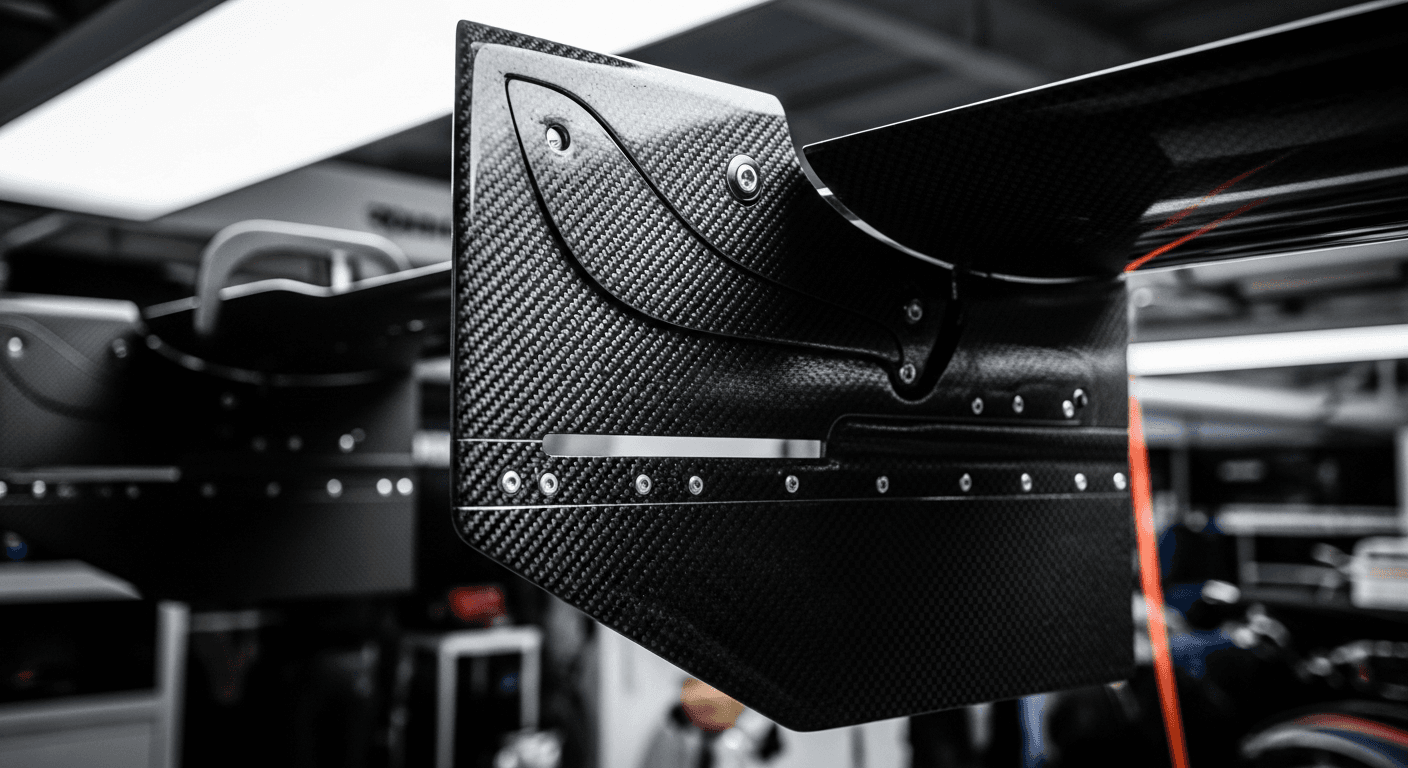
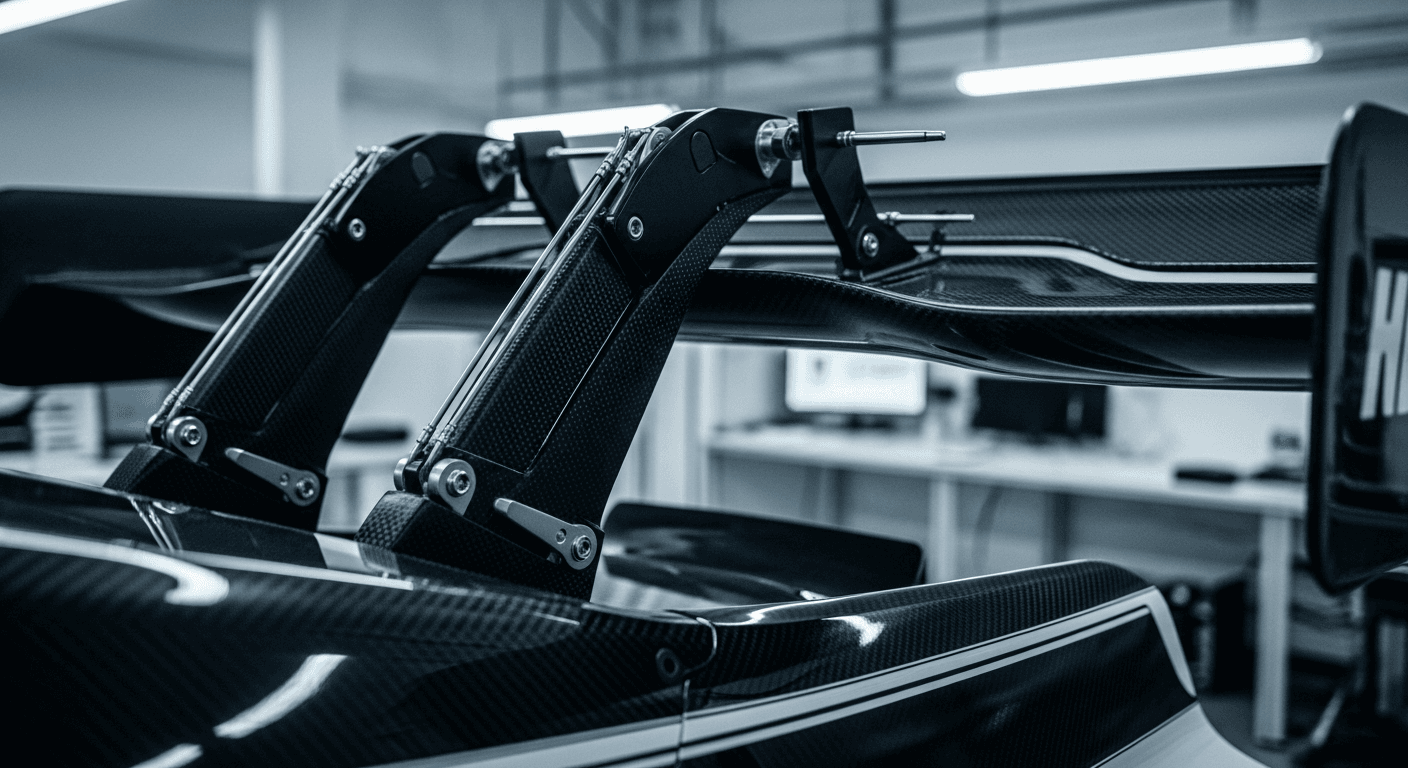
The 2026 regulations introduced the game-changing active aerodynamics package, allowing cars to toggle between "Straight Mode" and "Corner Mode." While the primary mechanism is intended to reduce drag on straights and maximize downforce in corners, the FIA’s new directive focuses on the software algorithms that govern this transition.
According to the FIA’s official statement, teams must now provide standardized telemetry logs during post-session scrutineering to demonstrate that the activation of "Straight Mode" is strictly triggered by track positioning and speed parameters, rather than driver-initiated manual overrides outside of permitted zones.
This clarification addresses concerns from several teams regarding potential "grey areas" in the software logic that manages the transition between modes. By mandating a uniform data reporting structure, the FIA aims to prevent teams from using proprietary, sensor-heavy predictive models to gain fractional advantages in how quickly the wings deploy and retract.
Why This Matters for the Title Fight
With 10 rounds of the 2026 season now in the books, the competitive order has stabilized, but the margins remain razor-thin. Leaders in the Championship standings—currently holding significant point hauls—have relied on aerodynamic efficiency to maintain their advantages.
The directive is a clear signal that the governing body is determined to maintain a level playing field during the second half of the season. For teams like Ferrari and Mercedes, who have been locked in a fierce battle for supremacy, the directive forces a refinement of their existing software packages. Smaller teams, such as Williams and Haas, may find the additional reporting requirements a challenge, but the FIA maintains that this is necessary to ensure the integrity of the 2026 technical regulations.
The Broader Context of the 2026 Reset
The 2026 season has been defined by its radical regulatory reset, emphasizing electrical power, sustainable fuels, and the newly introduced "Overtake" and "Boost" modes alongside active aero. As teams move from the initial design phase into the optimization phase of the year, the FIA has increasingly focused on "digital scrutineering"—using data and software auditing to enforce rules that are difficult to check through physical inspection alone.
This Directive serves as a reminder that the 2026 technical landscape is still being refined. While the hardware—the wings and chassis—is locked in for the season, the software controlling these machines remains the primary frontier for development. As the paddock prepares for the Hungarian Grand Prix, the focus will now shift to which teams have optimized their activation logic most effectively within the new, stricter guidelines.
For a deeper dive into how these regulatory shifts are likely to influence the outcome of this weekend's race in Budapest, take a look at our latest race predictions.