In a decisive move that will shape the remainder of the 2026 Formula 1 season, the grid’s ten teams have officially rejected a proposal from Pirelli to lower mandated tyre pressures. The decision, delivered to the FIA earlier today, solidifies the status quo for the final stretch of the championship, despite growing pressure from drivers regarding tyre performance and grip levels.
The Decision: A Focus on Structural Integrity
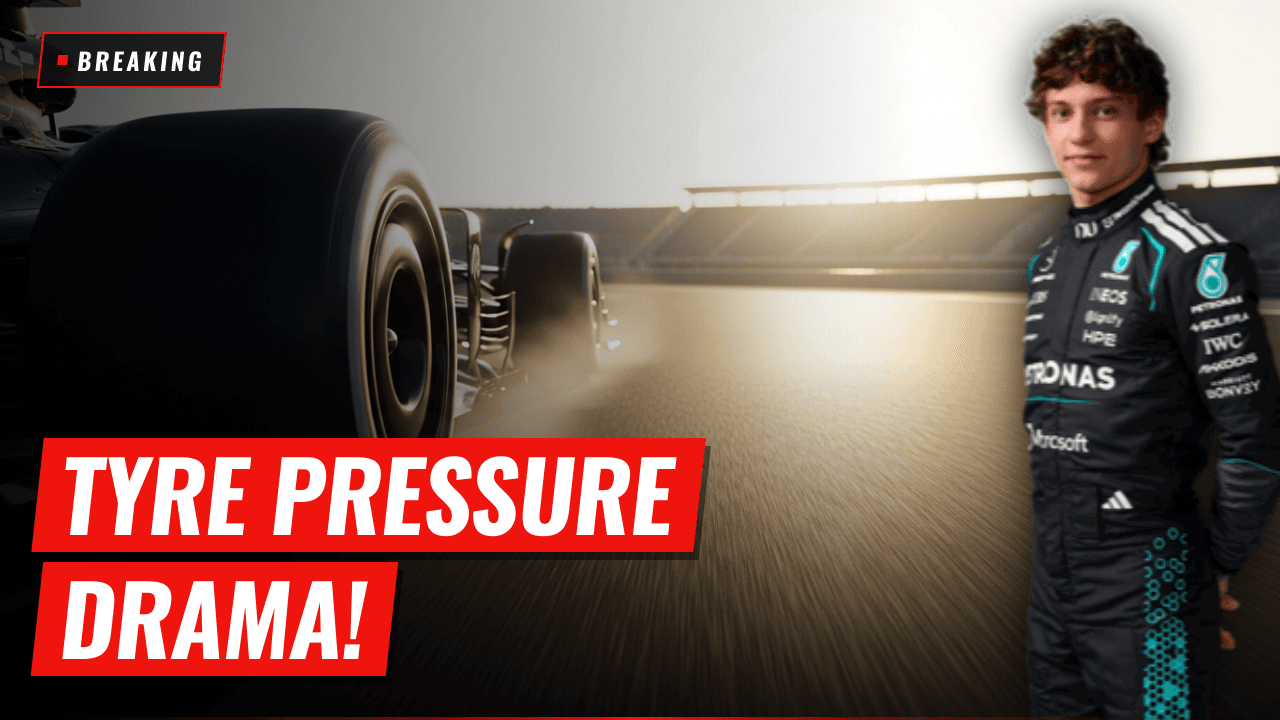
Pirelli had sought to reduce minimum starting pressures, hoping to alleviate driver complaints regarding the "numb" feel and rapid degradation characteristic of the current 2026 tyre compounds. However, the proposal met significant resistance in the team principals' meeting.
According to internal sources, the primary driver for this rejection was not performance-related, but safety-centric. Technical directors from multiple teams expressed unanimous concern that lowering pressures would compromise the structural integrity of the tyres when subjected to the extreme downforce loads generated by the 2026 cars.
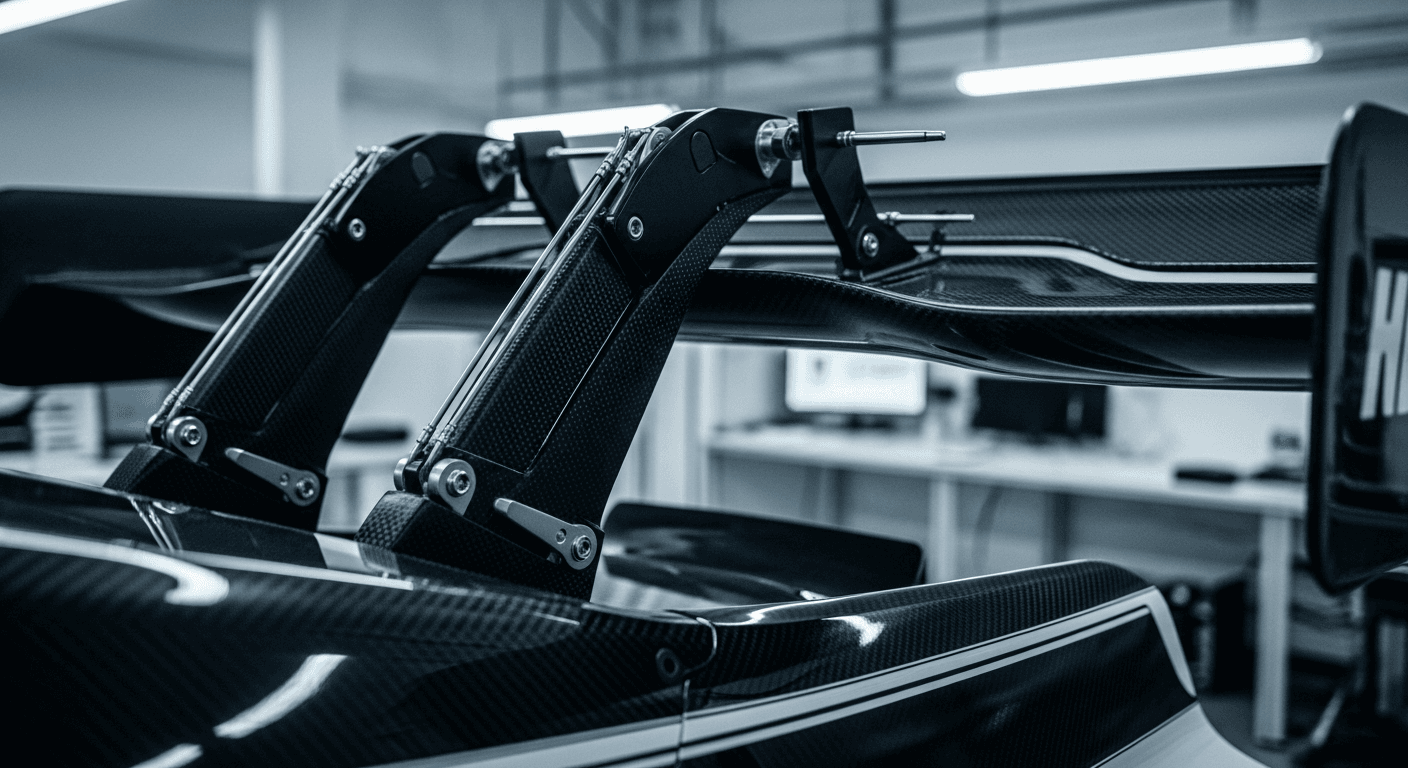
The specific fear centers on the interaction between the tyres and the current active aerodynamics package. Teams argued that lower pressures could introduce unwanted lateral deflection, potentially inducing oscillations that have, in previous simulations, led to active aero system failures. With the championship battle between the likes of Kimi Antonelli and his rivals heating up, teams were unwilling to accept any technical change that could risk catastrophic component failure under high-load cornering.
Why This Matters for the 2026 Season
The rejection of the proposal ensures that the current high-pressure mandates will remain in effect for the rest of the year. For the fans and drivers, this has immediate, tangible consequences:
- Locked-In Degradation Profiles: Teams will continue to manage the tyres within the currently defined pressure windows, meaning the current thermal degradation characteristics—which have defined the tactical landscape since the start of the season—will not change.
- Driver Frustration: Drivers, who have been vocal about the difficulty of maintaining consistent grip, will have to adapt their driving styles to the stiff, high-pressure tyres for the foreseeable future.
- Technical Parity: By maintaining the current mandates, the FIA ensures that no team gains an unfair advantage through a mid-season reset of the technical regulations, preserving the competitive order established over the first 11 rounds.
The Path Forward
With this vote, the technical regulations regarding tyre operation are now effectively locked for the remainder of the campaign. Pirelli has acknowledged the teams' concerns, with a spokesperson noting that the manufacturer respects the collective decision made in the interest of safety.
While the door to further tyre construction adjustments for the 2027 season remains open, the 2026 narrative is now clear: the teams have chosen to prioritize the predictability of the current rubber over the potential benefits of lower pressures. As we move into the second half of the season, the focus will now shift entirely back to development and race strategy, with teams forced to master the existing tyre window rather than waiting for a regulatory reprieve.
For a deeper look at how these technical constraints—and the subsequent decision—will impact the performance of your favorite drivers and teams in the upcoming Grands Prix, check out our latest race predictions.