The FIA has introduced sweeping new financial and operational regulations for the 2027 Formula 1 season, establishing an uncompromising "cost cap firewall" designed to eradicate IP sharing between grand prix outfits and their non-F1 commercial divisions.
Approved by the World Motor Sport Council, the updated regulatory framework prohibits Formula 1 personnel from sharing office space, desks, or communal areas—including campus canteens—with staff working on non-racing projects. The move represents the governing body’s most aggressive measure yet to prevent teams from using external operations to circumvent spending limits.
Strict Physical and Structural Separation for 2027
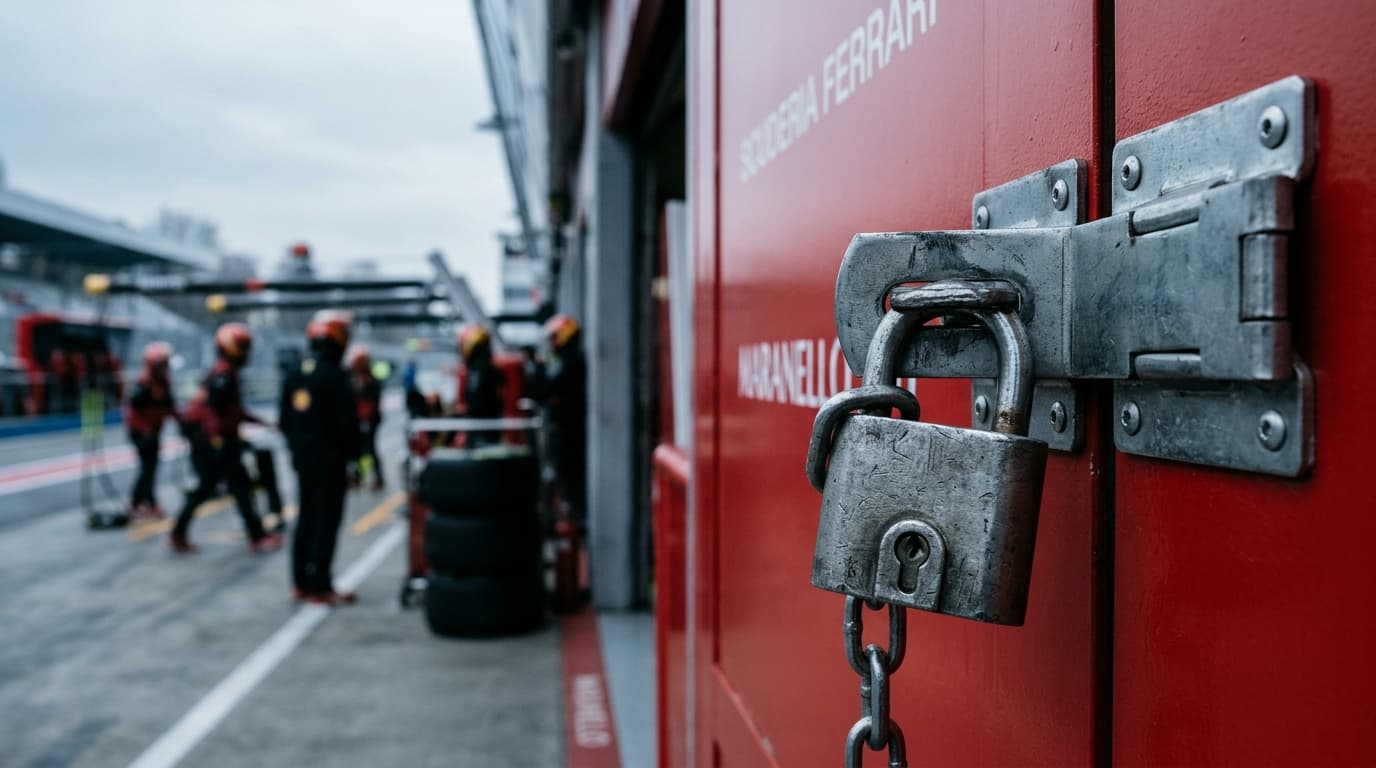
Under the newly ratified rules, the FIA is closing long-standing structural loopholes surrounding applied technology branches. Multiple outfits run lucrative external engineering arms—such as Red Bull Advanced Technologies, Mercedes Applied Science, Aston Martin Performance Technologies, and Ferrari with its high-profile marine and yachting ventures.
While technical directive TD45 previously addressed the accounting of intellectual property transferred between corporate entities, the 2027 regulations shift the focus from post-hoc financial auditing to physical and organizational segregation.
The key mandates confirmed by the FIA include:
- Workspace Isolation: F1 technical, engineering, and operational personnel are strictly barred from sharing workspaces, design offices, or open-plan areas with non-F1 colleagues.
- Communal Area Restrictions: The ban extends to campus facilities, meaning non-F1 engineers and grand prix personnel cannot share common breakout areas or dining spaces where informal cross-pollination could occur.
- Digital and Personnel Division: The rules eliminate lingering gray areas surrounding staff splitting fractional time across F1 and external commercial initiatives, requiring defined operational silos.
Why the Clampdown Matters
Since the cost cap was introduced in 2021, rival outfits have voiced recurring concerns that cutting-edge research in high-performance cycling, America's Cup marine design, and hypercars could subtly feed into F1 aerodynamic, structural, and simulation programs without showing up on the F1 balance sheet.
By policing physical architecture and day-to-day campus interactions, the FIA is removing the possibility of informal, off-the-books research sharing. However, it also creates an immediate operational challenge for legacy operations. Top teams with consolidated headquarters in Milton Keynes, Brackley, Maranello, and Silverstone will be forced to spend the coming months rearchitecting their campuses, building access controls, and legally separating work environments to satisfy the FIA Cost Cap Administration.
For smaller outfits that operate near the cap floor without extensive commercial technology arms, the clarification represents a significant victory for regulatory parity.
What Happens Next
Teams now face an operational transition period heading toward 2027 to implement these structural divides. The FIA has confirmed that its financial auditing division will conduct strict compliance inspections and factory audits to verify physical and technological firewalls ahead of the new rules taking full effect.
With the 2026 title fight currently raging across the Americas, senior management will have to balance title ambitions with immediate, complex structural overhauls at home. To see how off-track developments and circuit performance converge as the current championship heads into its critical stretch, explore our latest race predictions.