In a move aimed at refining the trajectory of Formula 1’s current hybrid era, the FIA has officially ratified a significant package of amendments to the technical, sporting, and financial regulations for the 2027 and 2028 seasons. Following the mid-2026 World Motor Sport Council meeting held in Macau on June 23, the governing body confirmed a strategic shift designed to address performance, sustainability, and competitive balance in response to the operational data gathered during the opening half of the 2026 campaign.
The approved changes represent a collaborative effort between the FIA, Formula One Management (FOM), the teams, and power unit manufacturers. These amendments follow extensive dialogue throughout the current season, focusing on energy management, fuel efficiency, and the overall racing spectacle.
Balancing Power and Performance
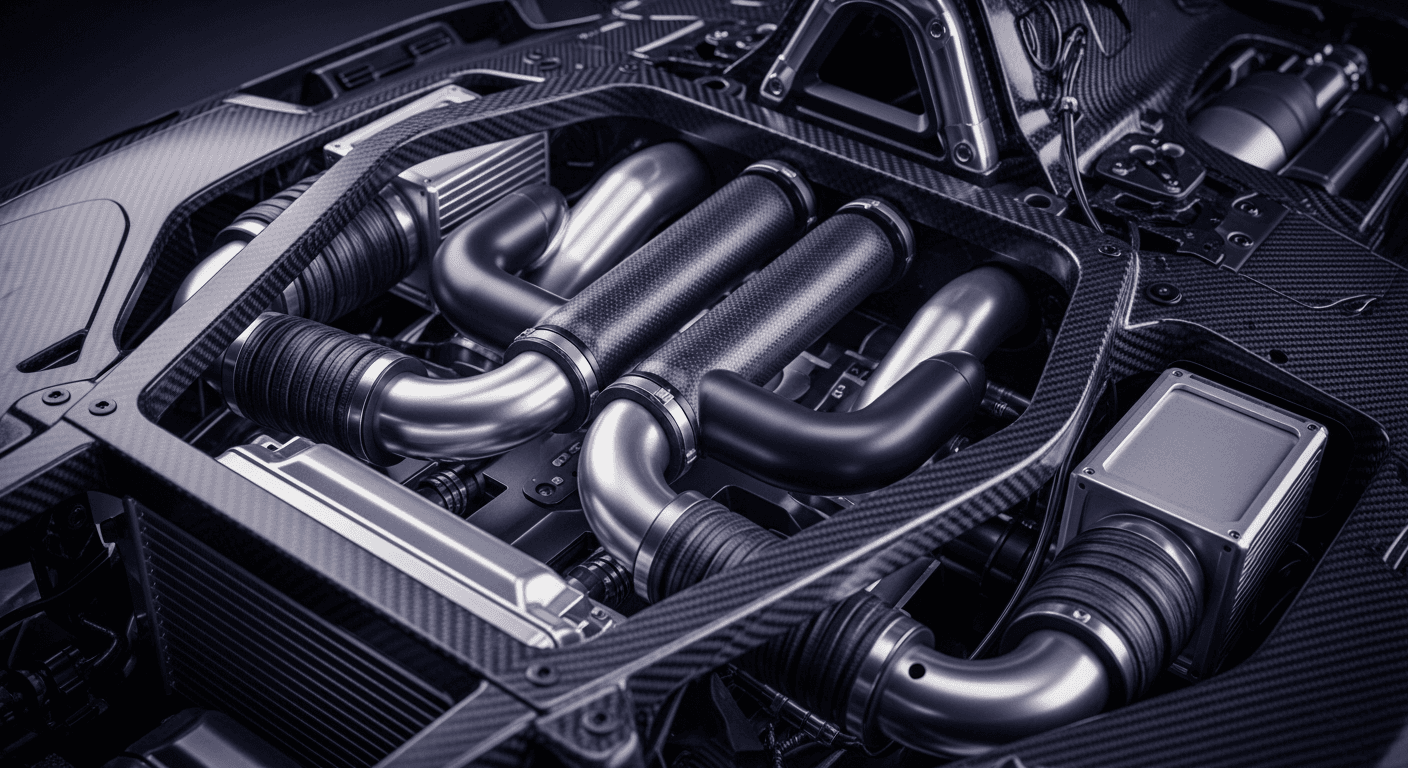
The core of the 2027 regulation update centers on a deliberate rebalancing of the Internal Combustion Engine (ICE) and the Energy Recovery System (ERS). While the 2026 season saw a heavy emphasis on electrical deployment, the upcoming 2027 framework shifts the focus to enhance the ICE contribution.
Key technical adjustments include:
- ICE Output: Maximum power limits for the internal combustion engine are set to increase from the current 400kW to 420kW in 2027, with a further bump to 450kW in 2028.
- Fuel Flow: Regulations will permit a 13% increase in fuel flow, a direct response to feedback regarding the current engine architecture.
- Energy Management: The ERS deployment profile is being adjusted to ensure that the power split moves from the current 53/47 (ICE/MGU-K) ratio toward a more combustion-heavy 58/42 split in 2027, ultimately reaching 60/40 by 2028.
- Overtaking Modes: While maximum harvesting power will increase, the regulated "overtake mode" power settings will remain stable to maintain competitive parity.
The primary objective of these changes is to ensure that the qualifying format remains "flat-out" while maintaining the positive racing characteristics introduced by the 2026 technical philosophy. By recalibrating these variables, the FIA aims to resolve the energy management difficulties teams have faced during this introductory year of the new power unit regulations.
Aerodynamics and Safety Enhancements
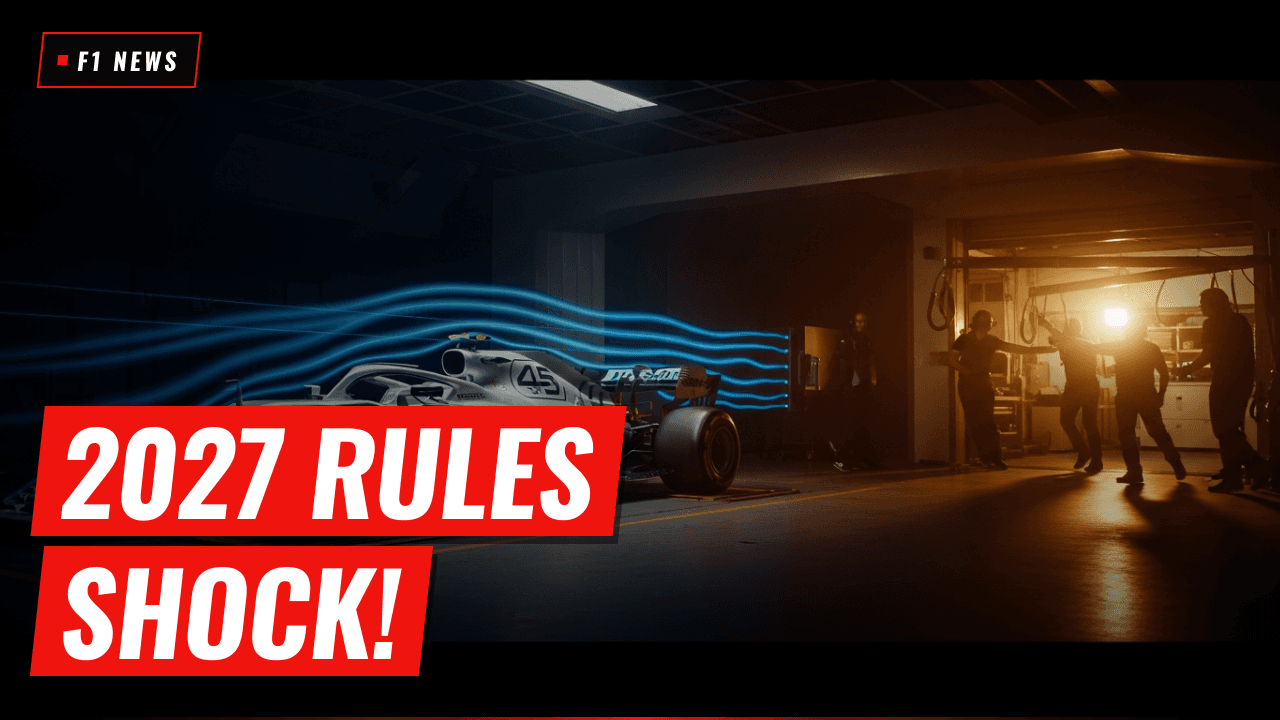
Beyond the power unit, the FIA has finalized revisions to the technical regulations concerning vehicle dynamics. To address the complexities of the current generation of cars, 2027 will feature a simplification of underfloor aerodynamics and revised flexibility tests. These modifications are intended to provide more consistent downforce levels, which teams have identified as a priority for improving wheel-to-wheel racing.
Additionally, the minimum driver weight limit—including ballast—has been increased to 82 kilograms. This change is designed to standardize the playing field for drivers of different physical builds and follows ongoing consultation with the Grand Prix Drivers’ Association (GPDA).
Context and Implications
These ratified changes provide teams with a clear roadmap for the next two years, moving away from the more frequent, short-term Technical Directives that have characterized the early stages of the 2026 season. By establishing these rules now, the FIA has provided the necessary stability for teams—such as the front-running squads currently leading the constructors' standings—to begin their 2027 development cycles with defined parameters.
As the current season progresses, the industry will be watching closely to see how the finalized 2027 framework influences the development budgets and priorities of the grid. Whether this shift towards higher combustion output will close the gap between the dominant teams and the rest of the field remains the central question for the sport’s immediate future.
For an analytical look at how these upcoming regulation changes might influence team performance cycles and to track the current development race as we head into the next round, check out our latest data-driven race predictions at F1 Predictions.