Every weekend in Formula 1, engineers face a fundamental physics dilemma: do you design a car to corner like it is on rails, or do you build a rocket ship that dominates the straights?
You will often hear commentators remark that a car is "carrying too much wing" or that a team has opted for a "skinny aerodynamic package." These phrases all describe the central design compromise of modern Grand Prix racing: the delicate balance between downforce and aerodynamic drag.
Understanding this dynamic is essential for making sense of why a car that dominates one circuit can suddenly look vulnerable at the next.
What It Is
At its core, Formula 1 aerodynamics revolves around two opposing forces generated as a car cuts through the air:
- Downforce: This is vertical aerodynamic grip. Just as an airplane wing generates lift to push an aircraft into the sky, an F1 car uses inverted wings and underbody tunnels to push the chassis firmly into the asphalt. The greater the downforce, the harder the tyres are pressed into the track surface, allowing drivers to carry immense speed through medium- and high-speed corners without sliding off.
- Drag: This is aerodynamic resistance—the physical penalty of moving through the air. Whenever a surface (like a front wing flap, sidepod, or rear wing) directs airflow to create downward pressure, it also creates turbulence and air resistance that tries to pull the car backward. The more wing angle a car runs, the more drag it produces, and the harder the engine has to work to push through the air at high speeds.
In short, downforce is the performance benefit, and drag is the aerodynamic tax teams must pay to get it.
Why It Matters
Every Formula 1 circuit is unique, meaning there is no single aerodynamic setup that works everywhere. The compromise between downforce and drag dictates everything from tyre preservation to overtaking capability.
If an engineering team adds too much downforce, their car will be glued to the track in technical, twisty sectors. However, when the driver reaches a long straight, the excess drag acts like a parachute, capping top speed and leaving them defenseless against rival cars with lower drag.
Conversely, if a team strips off too much wing to gain straight-line speed, the car will fly down the straights but slide through the bends. This sliding overheats the rubber, leading to rapid tyre degradation over a long stint and making the car skittish under braking.
Nailing the sweet spot—an aerodynamic concept known as efficiency (maximizing downforce while minimizing drag)—is what separates race winners from the rest of the midfield.
How It Works
Teams adjust this balance primarily through aerodynamic configuration and wing angles tailored to each circuit's layout:
- High-Downforce Circuits: Venues like Monaco, the Hungaroring, or Zandvoort feature tight corners and relatively short straights. Here, top speed is largely irrelevant compared to cornering agility. Teams bolt on "barn door" wings angled aggressively to generate maximum downforce, gladly accepting the massive drag penalty.
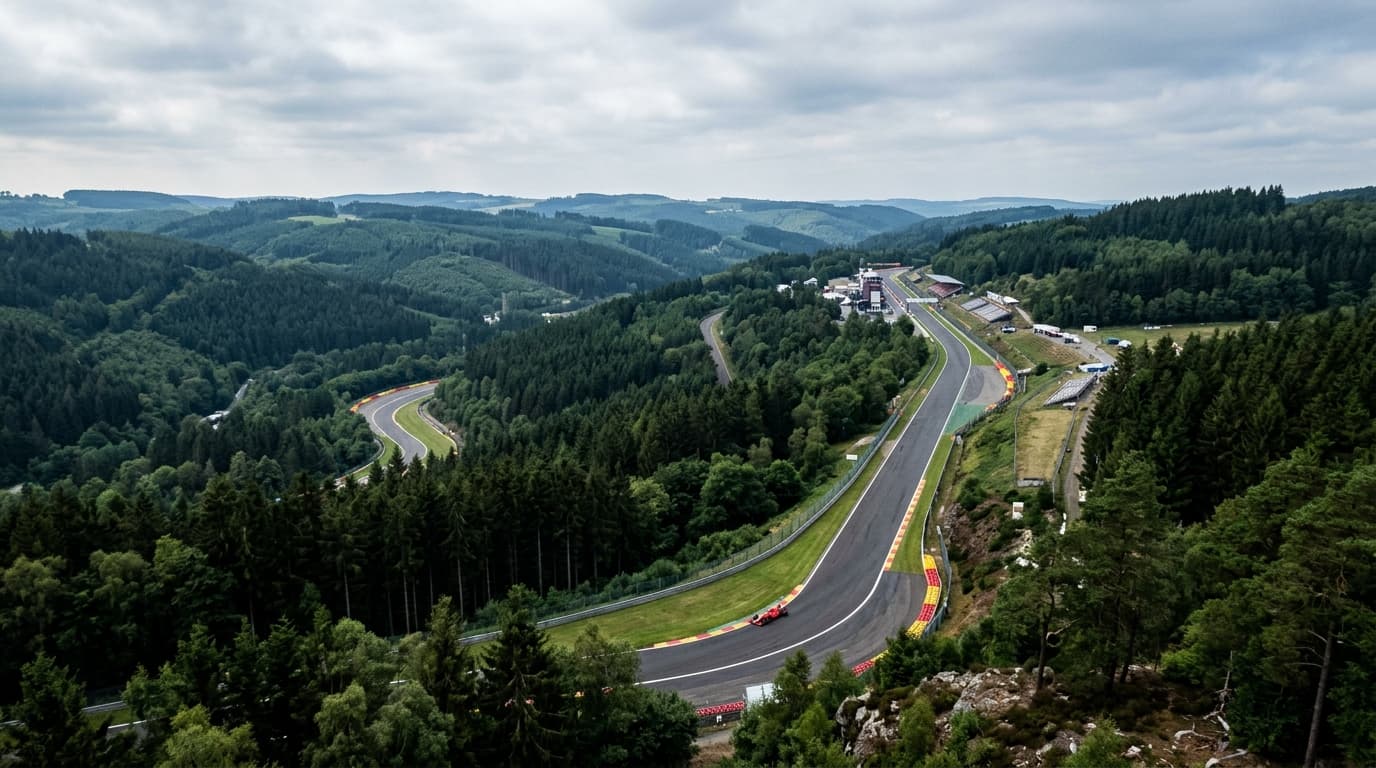
- Low-Downforce Circuits: High-speed temples like Monza, Spa-Francorchamps, and Baku demand top speed. Teams run trimmed-down, almost horizontal rear wing profiles to shed drag. The car feels lighter and looser in braking zones, but it can reach blistering speeds down the straights.
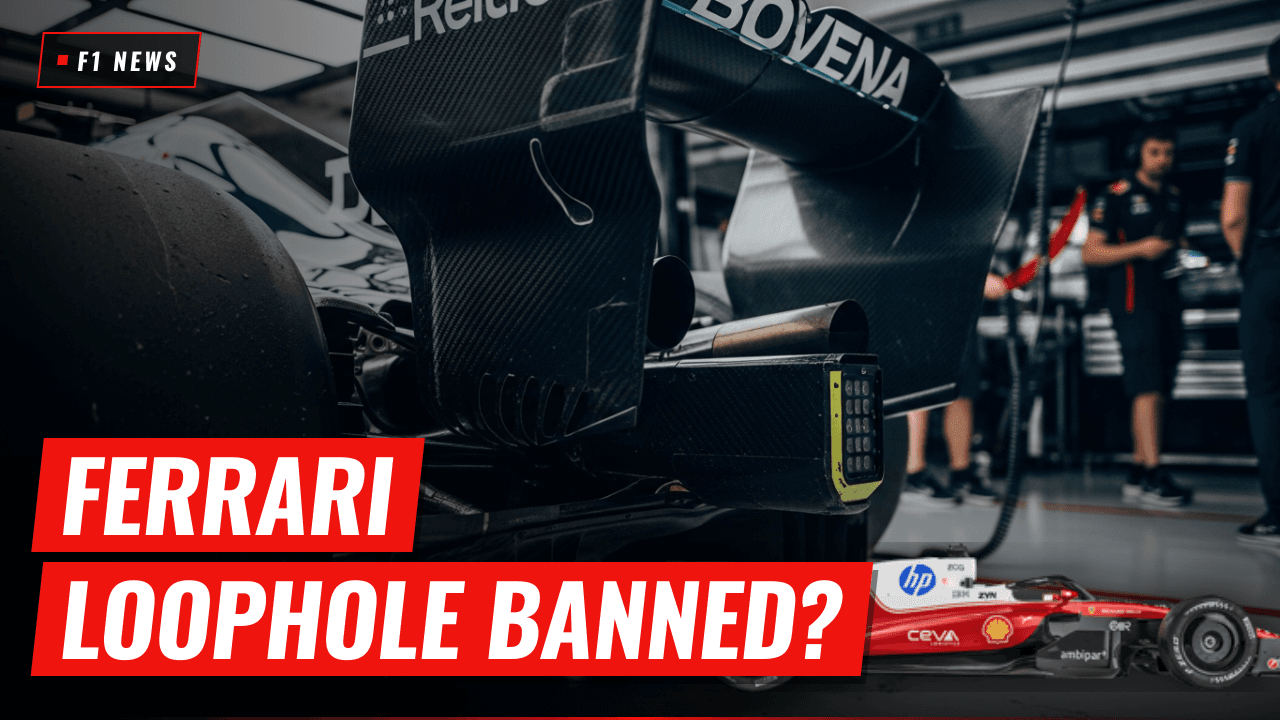
- The Aerodynamic Floor: While wings provide adjustable downforce, the floor of the car generates what engineers call "efficient downforce." Underbody ground-effect tunnels suck the car toward the track while creating significantly less drag than large upper wings. Teams that generate most of their downforce from the floor can run smaller wings, enjoying both rapid cornering and fierce straight-line speed.
A Current-Season Example
The 2026 championship battle highlights how aerodynamic efficiency shapes Sunday results.
Through the opening 17 rounds of 2026, Mercedes has dominated the Constructors' Championship, led by championship leader Andrea Kimi Antonelli and George Russell. The team's package stands out because of its exceptional underbody efficiency. At technical tracks, Antonelli has been able to carry massive minimum corner speeds without wrecking his tyres, yet the car generates so little drag that rivals have struggled to mount attacks down the straights.
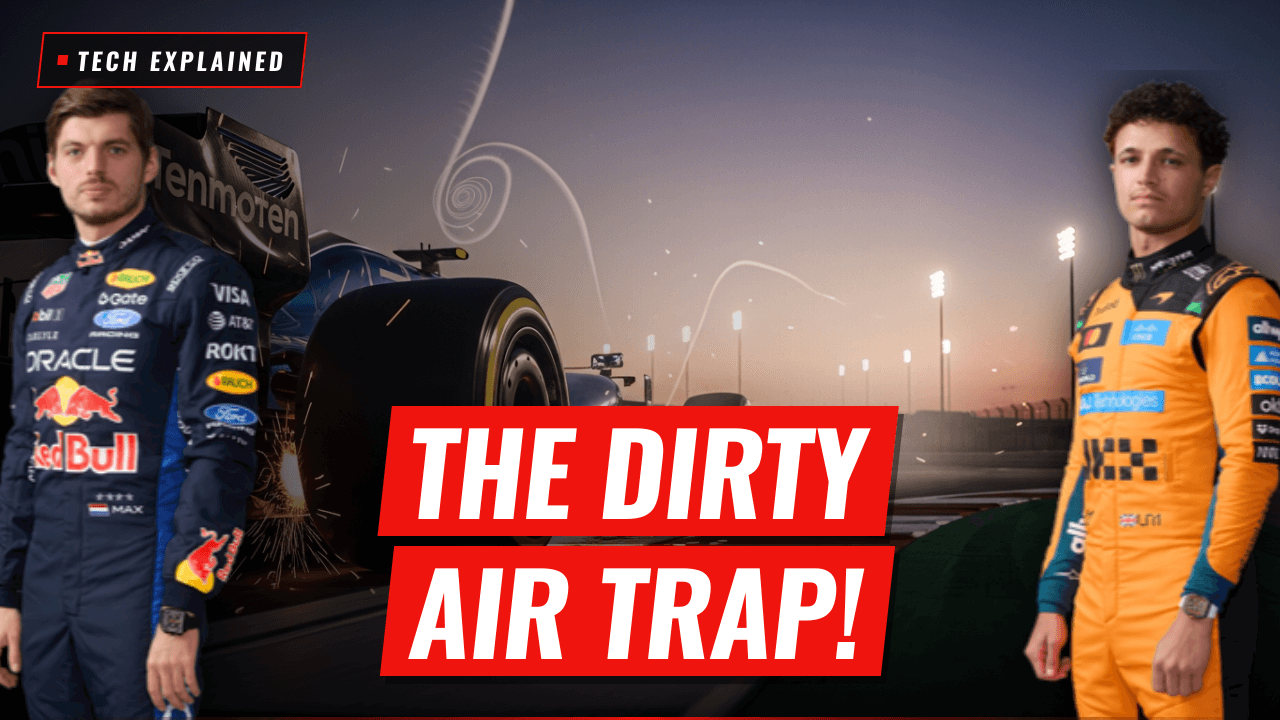
By contrast, Red Bull Racing and Max Verstappen have frequently had to make bold setup choices to counter that advantage. In an effort to keep Verstappen in fighting contention against Mercedes and the Ferrari duo of Lewis Hamilton and Charles Leclerc, Red Bull has often opted for leaner rear wing setups.
While this low-drag configuration gives Verstappen punchy straight-line speed to attack and defend, it places far greater strain on his tyres through long, sweeping corners. It serves as a textbook example of the trade-off: straight-line defense versus tyre longevity.
When you evaluate track characteristics and wing packages ahead of each Grand Prix weekend, you can quickly spot which cars will thrive on a circuit's layout. To see how these aerodynamic setups shape the grid each weekend, check out our latest race predictions.