In a significant regulatory move ahead of the 2027 Formula 1 season, the FIA has officially confirmed the closure of the aerodynamic loophole colloquially known as the "Flick Tail Mode" (FTM), a technical innovation that has underpinned Ferrari’s rear-end aerodynamic performance throughout the 2026 campaign.
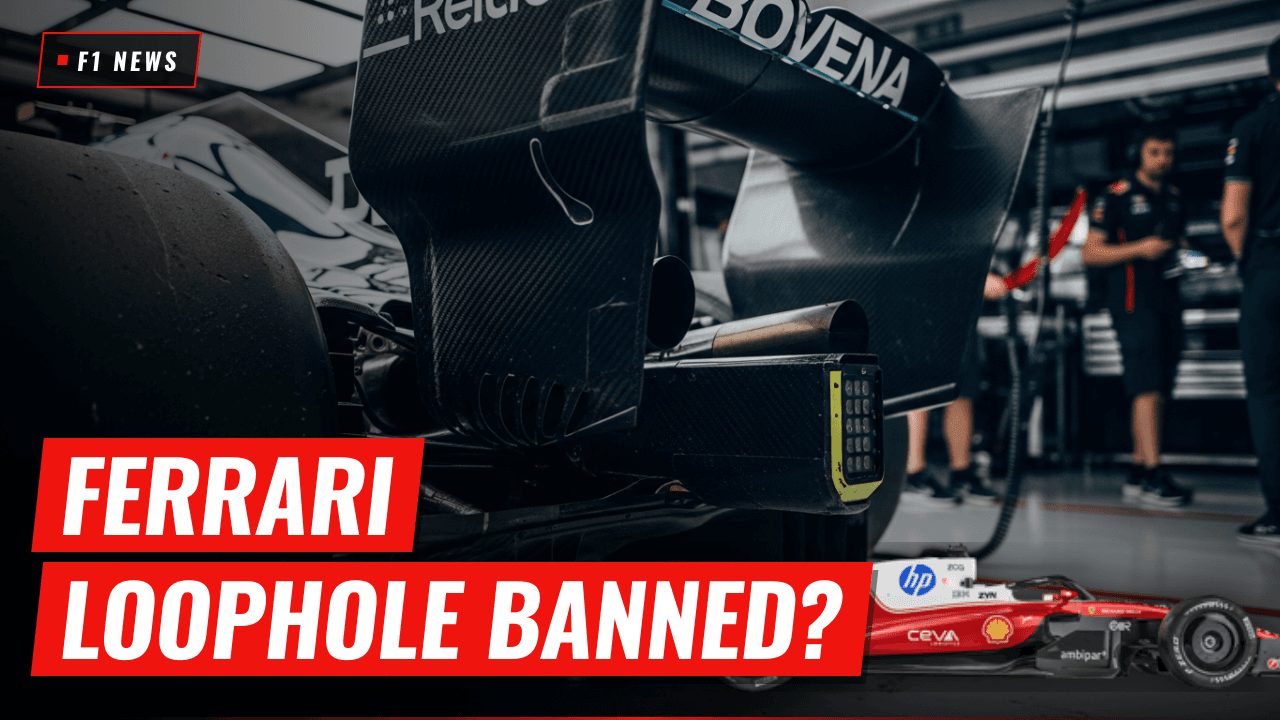
The decision, ratified following recent World Motor Sport Council (WMSC) discussions, mandates a redesign of rear bodywork and exhaust integration, effectively forcing the Scuderia—and any other teams utilizing similar interpretations—to pivot their development path for next season.
Closing the 'Flick Tail' Gap
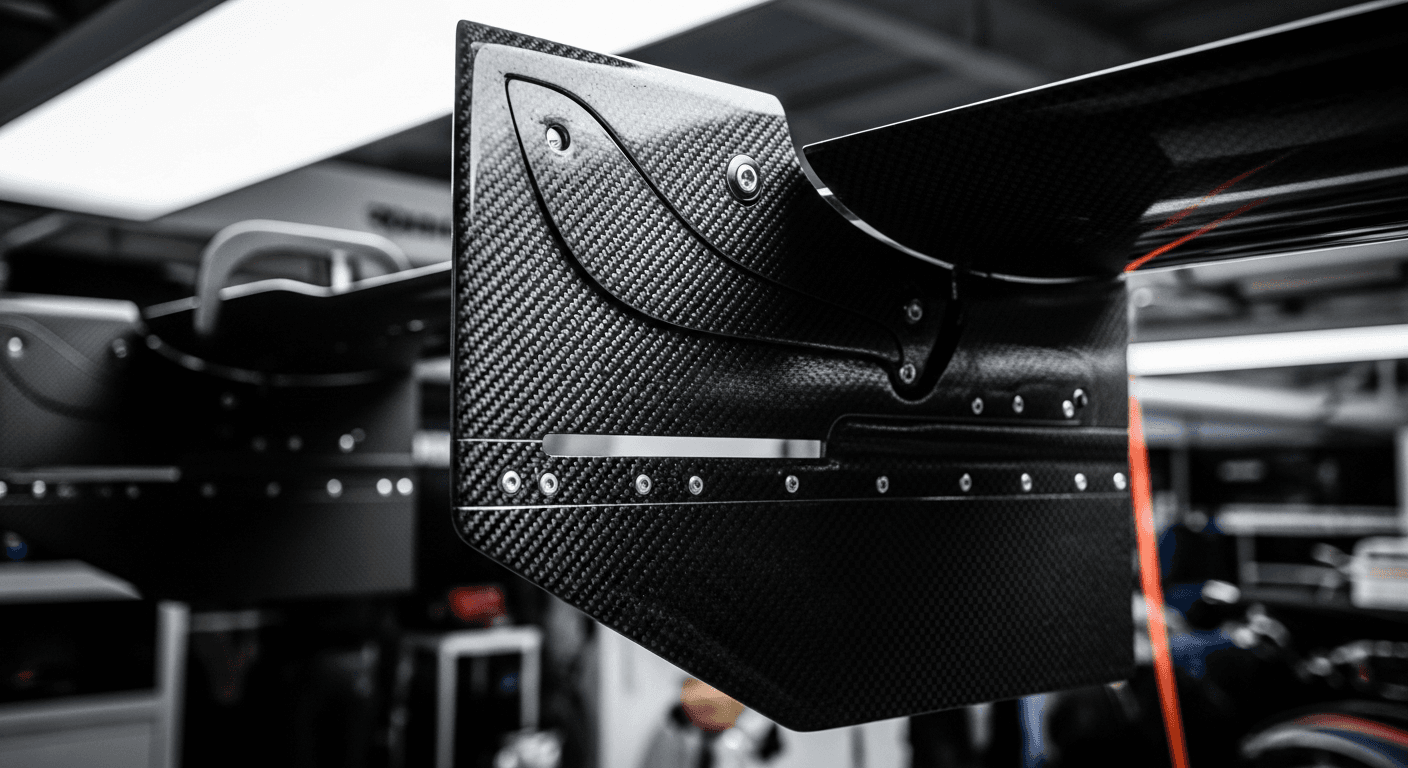
The loophole, which allowed teams to manipulate exhaust gases to energize the rear diffuser area despite the 2026 ban on traditional beam wings, has been a focal point of paddock debate for much of this year. While the 2026 technical regulations were intended to simplify aerodynamic wake and improve closer racing, Ferrari’s FTM system allowed for a sophisticated management of airflow, providing a distinct advantage in mid-to-high-speed corners.
The FIA’s technical directive, issued as part of the 2027 sporting and technical regulation package, explicitly redefines the geometry allowed around the exhaust exit and the adjacent bodywork. By tightening these specifications, the governing body aims to eliminate the secondary aerodynamic load that the FTM system generates.
For Ferrari, the directive represents a significant engineering challenge. With the team currently locked in a fierce battle at the front of the grid, the requirement to restructure their rear-end packaging—which is deeply integrated into the chassis design of this year's car—could have implications for their development trajectory heading into the final stages of the 2026 season.
Part of a Broader 2027 Rebalancing
This intervention is the most prominent of several changes approved for 2027, which are designed to refine the performance window of the current generation of power units. Following concerns identified regarding energy management and fuel consumption patterns under the 2026 rules, the FIA, in collaboration with Formula One Management (FOM) and the engine manufacturers, has agreed to a staged rebalancing.
The confirmed changes for 2027 include:
- ICE/MGU-K Power Split: Shifting from the current 53/47 split to a 58/42 ratio in favor of the Internal Combustion Engine to improve energy efficiency and race-trim consistency.
- Aerodynamic Standardization: Stricter tolerances on bodywork vortex generators to ensure that the "outwash" effects, which the 2026 rules sought to minimize, do not resurface as teams push the boundaries of the regulations.
- Targeted Weight Management: Minor adjustments to energy deployment protocols to address the "yo-yo" racing effect reported by drivers during the first half of the season.
Strategic Implications
The ban on the Ferrari exhaust solution is expected to narrow the performance window between the front-runners. As teams like McLaren and Mercedes begin to shift significant design resources toward their 2027 challengers, the mandate to abandon a key aerodynamic pillar of the Ferrari design philosophy provides a major variable in next year’s pecking order.
While the Scuderia will undoubtedly seek to recover the lost downforce through other areas of the car, the regulatory closure reinforces the FIA’s commitment to curbing "performance loopholes" that deviate from the intended aerodynamic characteristics of the 2026-gen cars. With the grid closer than ever, the technical oversight in the coming months will be as critical as the on-track action.
As we look toward the final stretch of the 2026 championship, the impact of these changes on team development and race-day performance remains a key storyline to monitor. For a deeper dive into the data behind these performance shifts and how they might influence the upcoming race weekends, explore our latest race predictions.