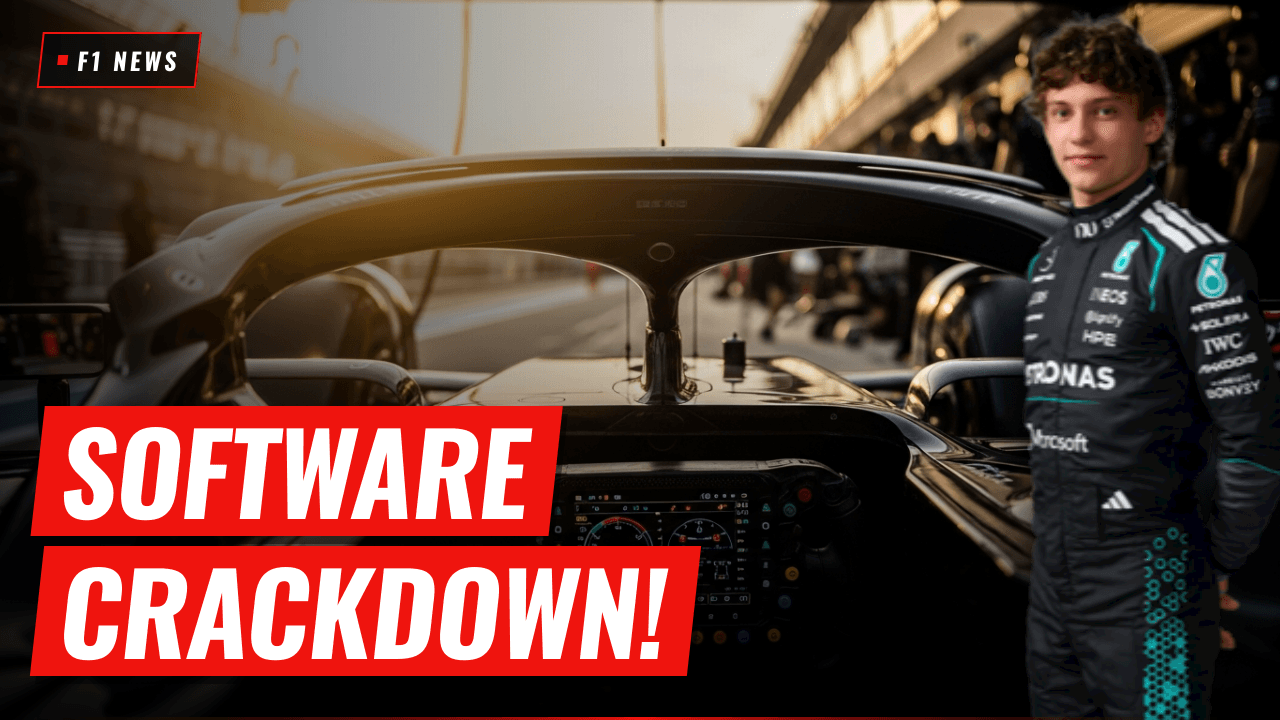
The Formula 1 landscape is set to undergo a mid-season technical recalibration as the sport emerges from its traditional summer break. The FIA has officially confirmed the implementation of a new "Energy Software Transparency Protocol" (ESTP), which will govern the management of MGU-K deployment and battery harvesting strategies for the remainder of the 2026 season, effective immediately upon the resumption of racing.
This regulatory update follows extensive data analysis by the FIA Technical Department regarding the first 11 races of the season. Since the introduction of the 2026 regulations, which mandated a 50/50 split between electrical and internal combustion power, the sport has faced persistent challenges regarding "energy cliffs" and the predictability of on-track harvesting.
The Facts: What Has Changed
The ESTP requires all ten constructors to provide the FIA with real-time, telemetry-level access to their ERS (Energy Recovery System) control software during both qualifying sessions and race start procedures.
Under the previous framework, teams were granted significant latitude in how they coded their deployment algorithms, leading to what some engineers described as a "software arms race" that often prioritized energy conservation over wheel-to-wheel racing. The new directive explicitly mandates:
- Standardized Harvesting Logs: Teams must now log all energy harvesting instances against a standardized baseline, preventing "hidden" harvesting modes that previously allowed cars to recharge battery levels in high-speed corners without a detectable performance drop.
- Deployment Transparency: Any software patches or "calibration updates" aimed at modifying MGU-K power delivery must now be submitted to the FIA 72 hours before a Grand Prix weekend.
- Immediate Enforcement: The protocol is mandatory starting with the first round after the summer break. Any non-compliance will be treated as a breach of technical parc fermé regulations, subject to immediate disqualification.
Why It Matters
For the 2026 title contenders, this is a pivotal development. The current standings, with a tight group fighting for the lead, suggest that the championship is far from settled. Kimi Antonelli has set a formidable pace for Mercedes, but the volatility of the 2026 regulations has meant that the competitive order often shifts based on which team best masters the hybrid energy profile of each specific circuit.
By standardizing software visibility, the FIA aims to curtail the "software management exercise" that has occasionally hampered the spectacle of racing. With the championship margins currently narrow—as evidenced by the intense battles seen across the first 11 rounds—the ESTP effectively forces teams to rely more on mechanical grip and driver input rather than proprietary code that can mitigate errors or maximize energy in unfair windows.
Teams like McLaren, which have been chasing down the championship leaders, may view this as an opportunity to close the gap. If the software disparity was previously a "black box" that favored the dominant constructor, the new transparency measures create a level playing field that prioritizes consistent car performance over optimized algorithmic advantage.
Broader Season Context
The 2026 season has been characterized by its unpredictability, with the record-breaking statistic that no podium combination has been repeated across the first 11 races. This trend highlights the sensitivity of the current car designs to track conditions and the diverse challenges posed by the new regulations.
As the grid prepares for the second half of the calendar, the ESTP is the latest in a series of technical tweaks aimed at refining the 2026 era. While initial reactions from the paddock suggest that most teams have been compliant with the spirit of these rules, the formalization of this protocol marks a definitive step toward moving away from the complex energy-harvesting games that defined the first half of the year.
As we look toward the final stretch of the season, all eyes will be on whether this software oversight impacts the performance delta between the front-runners and the rest of the field. For detailed projections on how these technical changes might influence the grid hierarchy, you can analyze the potential outcomes using our latest race predictions.