F1 Qualifying Explained: How the Knockout System Shapes the Sunday Grid.
1 nov. 2026 · 3 min de lecture · Par F1 Predictions
A guide to the high-stakes Saturday shootout that sets the stage for the Grand Prix.
Article
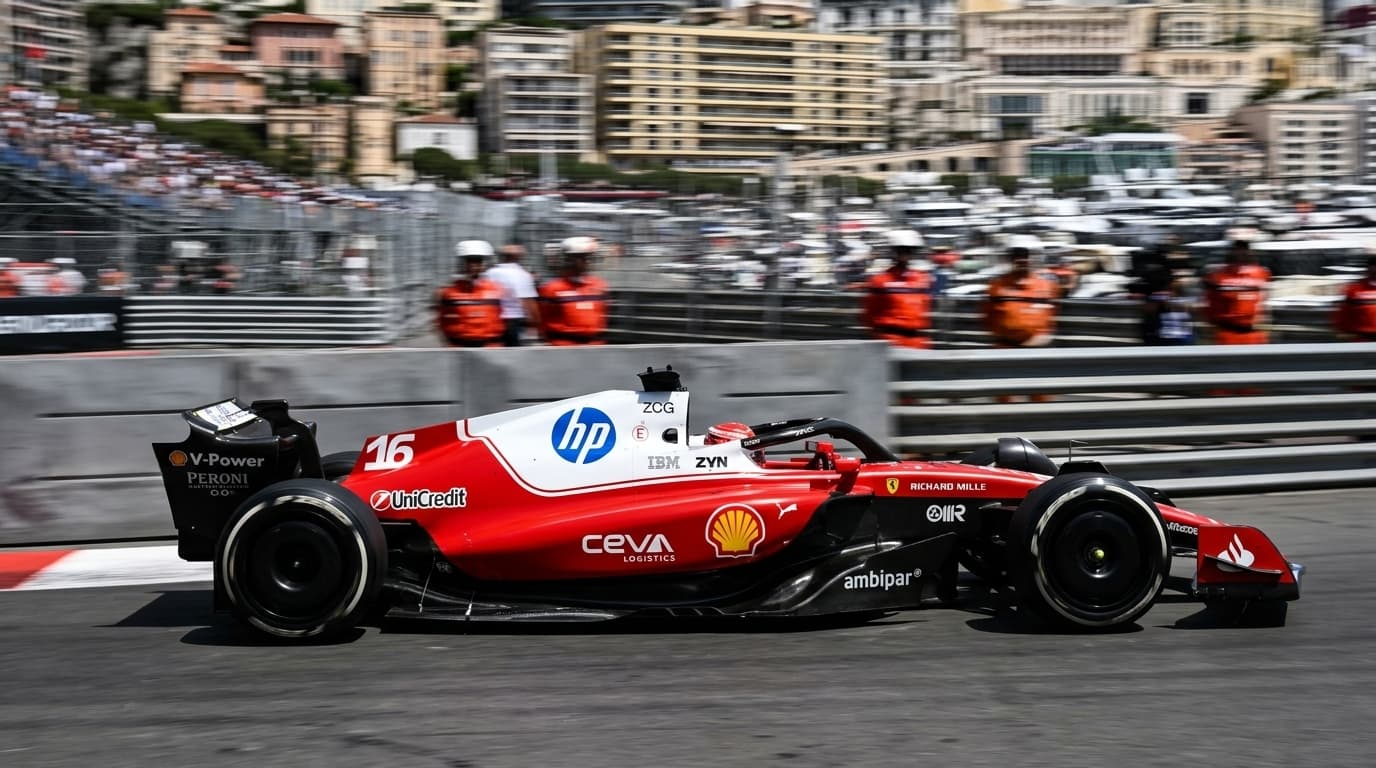
Formula 1 weekends build toward Sunday's Grand Prix, but the foundation of race day is forged on Saturday afternoon. Qualifying is the purest test of raw speed on the calendar: no tyre conservation, no pit-stop chess, and no fuel-saving—just one driver, one car, and an empty circuit pushed to the limit.
For newer fans, the flurry of cars scrambling out of the pit lane and the frantic countdown clocks can look chaotic. Here is how F1 qualifying works, why track position dictates race outcomes, and how Saturdays are shaping the 2026 World Championship.
What It Is
Qualifying is the competitive session that determines the starting order—known as the starting grid—for Sunday’s Grand Prix. Instead of a single-lap time trial or a chaotic free-for-all, Formula 1 uses an elimination format called knockout qualifying.
Over the course of an hour, the field is whittled down across three distinct phases: Qualifying 1 (Q1), Qualifying 2 (Q2), and Qualifying 3 (Q3). In each phase, drivers push to record their single fastest lap time. The slowest runners are eliminated at the end of each segment, while the survivors advance to the next round, where their lap times reset to zero.
Why It Matters
In modern Formula 1, starting position is arguably the single biggest statistical factor in predicting who stands on the podium on Sunday.
Passing on track is difficult, even with technical innovations designed to aid overtaking. Starting at the front offers major advantages:
- Clean Air: The leader drives in undisturbed airflow, maximizing aerodynamic downforce and keeping tyre temperatures cool.
- Race Control: Leading cars dictate the race pace and can execute their optimal pit strategies without reacting to surrounding traffic.
- Avoiding Midfield Mayhem: Starting deep in the pack exposes cars to opening-lap collisions, traffic bottlenecks, and turbulent wake that rapidly degrades tyres.
When data analysts forecast Grand Prix outcomes, qualifying pace and grid slots carry immense predictive weight. A driver who claims pole position instantly holds the highest statistical probability of victory.
How It Works
With 11 teams and 22 cars competing on the grid in 2026, the knockout process is precise:
- Q1 (18 Minutes): All 22 cars take to the circuit. Drivers typically make multiple runs on soft tyres. When the clock expires, the six slowest drivers (positions 17 through 22) are eliminated and lock in their Sunday starting spots.
- Q2 (15 Minutes): The remaining 16 cars return to the track with previous lap times wiped clean. After 15 minutes of running, another six drivers (positions 11 through 16) are eliminated.
- Q3 (12 Minutes): The top 10 shootout. Drivers generally get two flying runs on fresh soft tyres: an initial "banker lap" to establish a safety net, followed by a final, all-or-nothing flyer in the dying seconds. The fastest driver claims pole position.
Timing is critical. As cars lay sticky rubber onto the tarmac throughout the hour, the track gains grip—a process known as track evolution. Setting a lap at the very end of a session often yields the fastest time, but waiting too late risks getting caught behind traffic or being ruined by a yellow flag.
A Current-Season Example
The power of qualifying has defined the 2026 championship fight. Standings leader Andrea Kimi Antonelli has made Saturday dominance the cornerstone of his breakout campaign. When Mercedes locks out the front row alongside George Russell, rivals face a steep uphill battle before the lights even go out on Sunday.
Behind the Silver Arrows, qualifying margins are razor-thin. Max Verstappen and Lando Norris frequently battle Charles Leclerc across hundredths of a second in Q3. Further back, midfield drivers like Pierre Gasly, Nico Hulkenberg, and Gabriel Bortoleto have virtually zero margin for error to escape the first cutoff.
Understanding how the grid is built is essential for analyzing race day. To see how starting positions and qualifying deltas shape the Sunday outcome, check out our latest race predictions ahead of the next Grand Prix.
Lecteur
Votre prochain coup
Liés
Avant-course25 nov. 20264 MIN
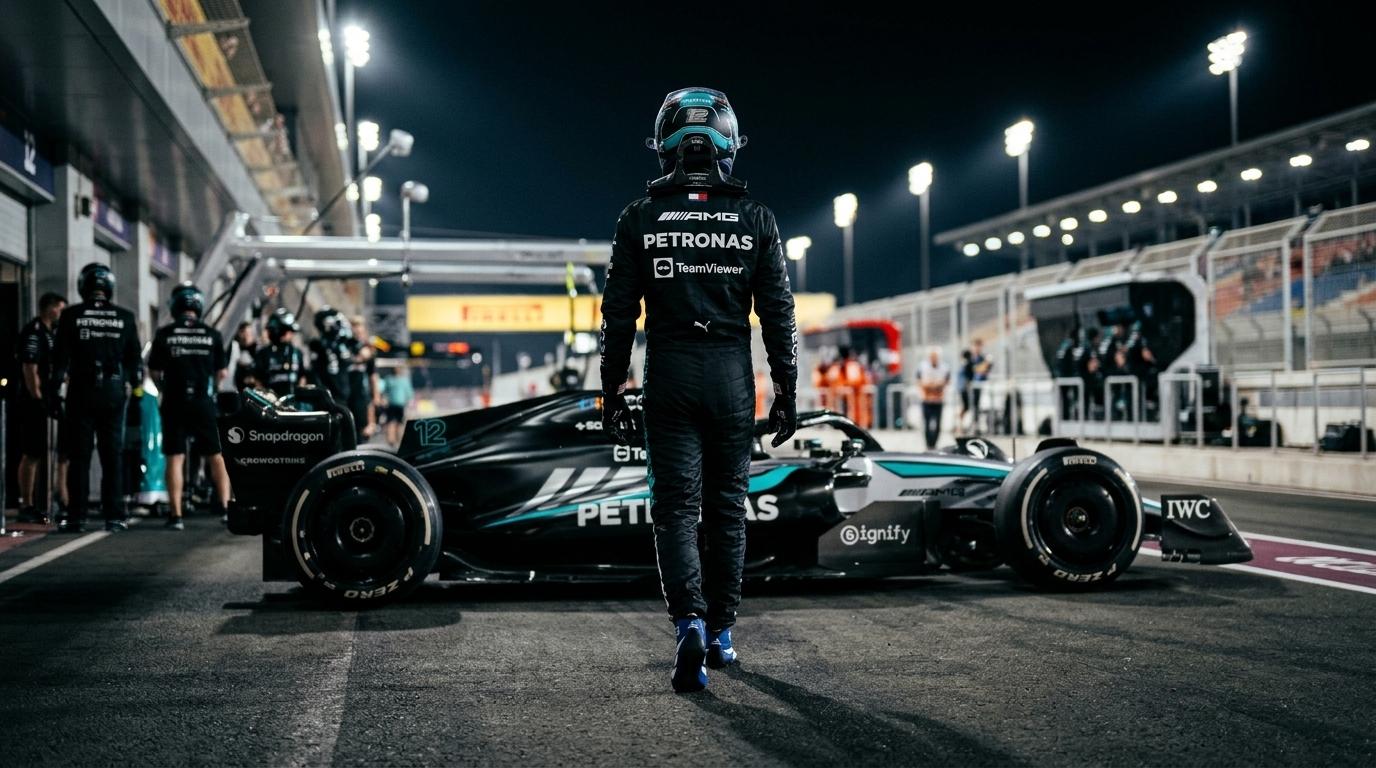
Qatar GP Preview: Antonelli Tipped for Milestone Tenth Win
Dossier8 nov. 20264 MIN
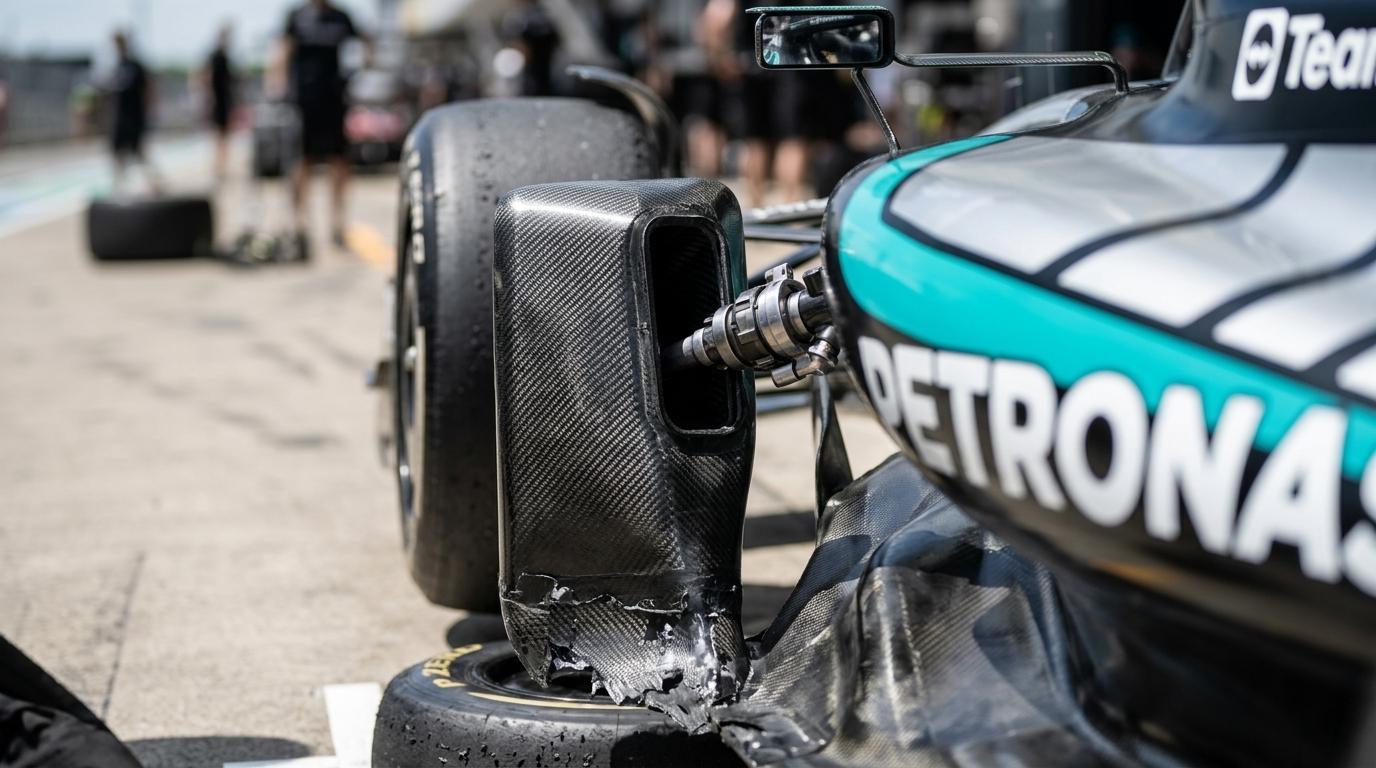
Why F1 Cars Get Faster As Races End: The Fuel Effect Explained
Dossier8 août 20263 MIN
The Language of the Circuit: Understanding F1's Flag System
Dossier17 juil. 20264 MIN
The Art of the Edge: Understanding F1 Track Limits
Flash13 juil. 20262 MIN
FIA Probes Mercedes Qualifying Innovation Amid Rival Protests
Avant-course25 juin 20264 MIN
The Spielberg Squeeze: Qualifying at the Red Bull Ring
Commentaires
- Aucun commentaire pour le moment. Soyez le premier.