FIA Tightens Active Aerodynamics Compliance in Latest Technical Directive
The FIA has officially issued a technical directive (TD026-C) aimed at standardizing the response protocols for the active aerodynamic systems across the grid. This development, effective immediately for the remainder of the 2026 season, marks a significant intervention in the ongoing technical battle regarding the sport’s revolutionary new chassis philosophy.
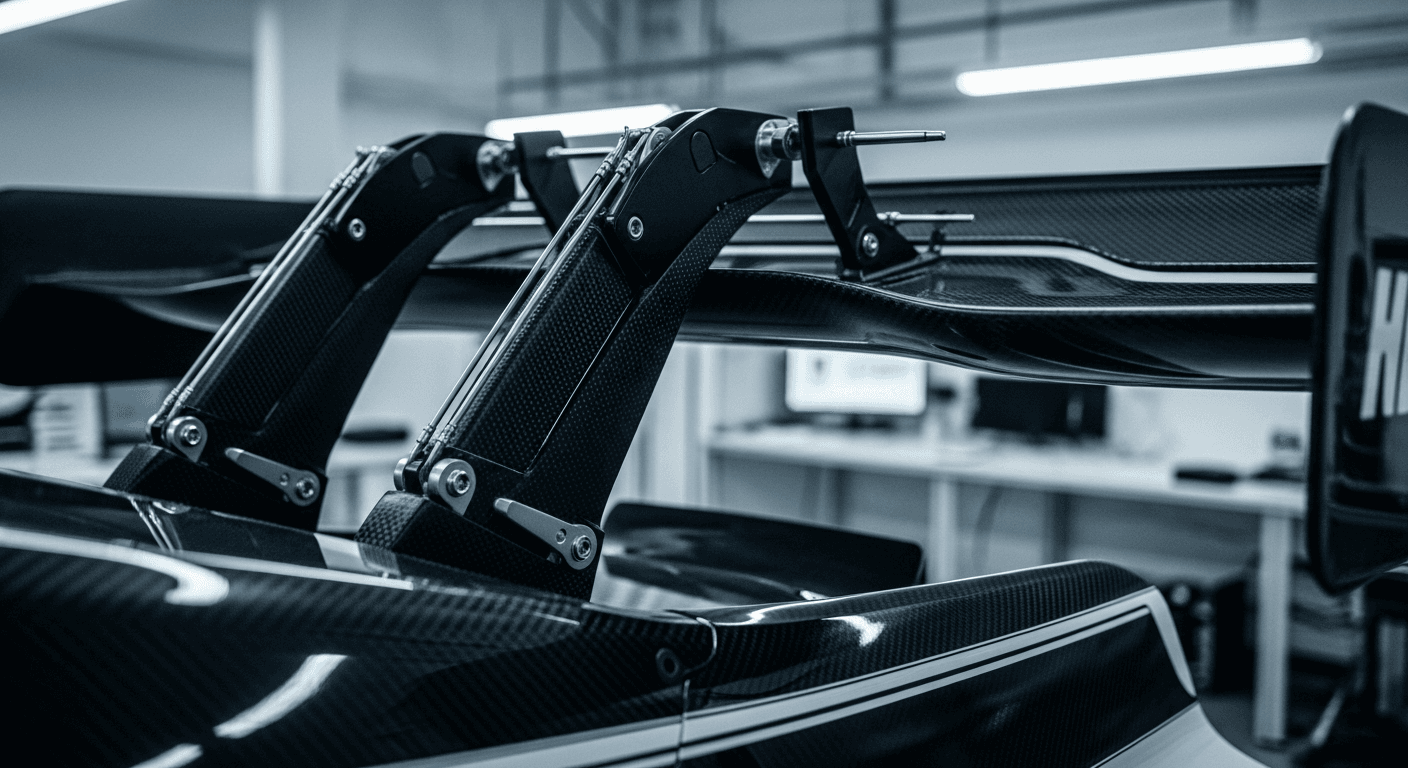
The directive targets the synchronization and latency of the "Z-Mode" and "X-Mode" aerodynamic configurations. Since the introduction of the 2026 regulations, the FIA has monitored the variance in how teams calibrate their active wing actuators. The new directive mandates a unified firmware update for the standard-issue Electronic Control Units (ECUs) governing these systems, ensuring that the transition between low-drag and high-downforce states occurs within a millisecond-precise window for every competitor.
The Technical Challenge
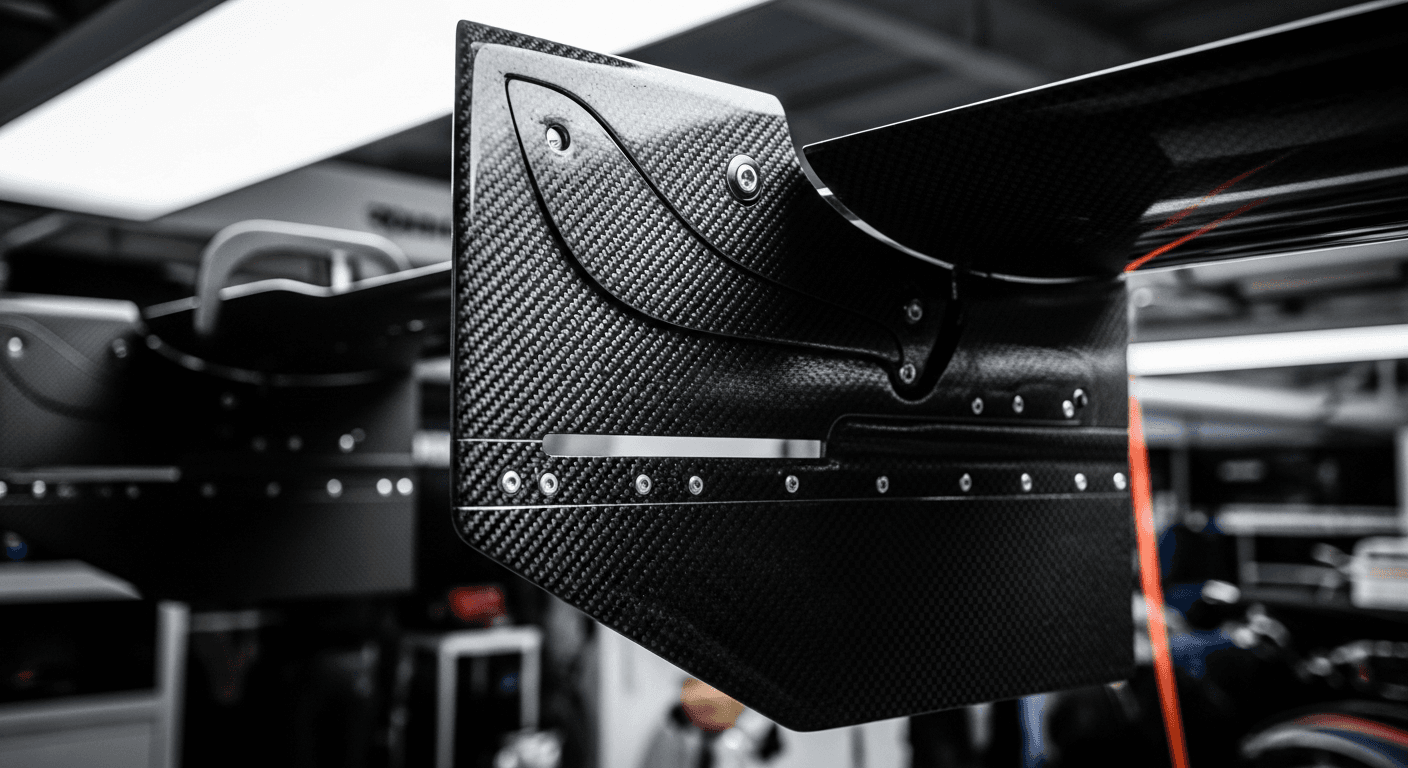
At the heart of this change is the complexity of the 2026 aerodynamic rules. To facilitate closer racing, the current generation of cars utilizes dynamic wing geometry that adjusts based on the car's position on the track. While the system was designed to improve overtaking, the FIA has noted that discrepancies in actuator response times—ranging from 5 to 15 milliseconds—have inadvertently created performance advantages in acceleration phases coming out of slow-speed corners.
By enforcing a uniform response time, the FIA aims to eliminate this "calibration gap," which has become a point of contention in technical briefings between team principals and the governing body throughout the first seven rounds of the season.
Why This Matters for the Championship
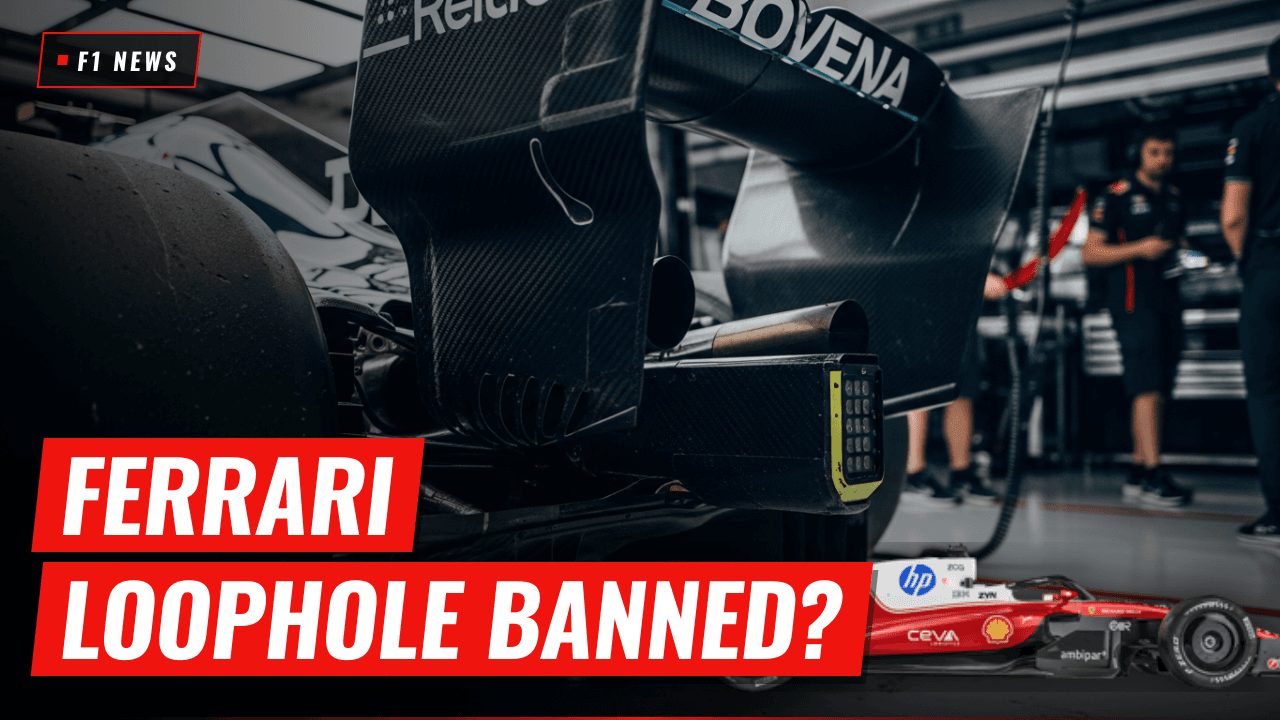
This directive arrives at a critical juncture in the 2026 Championship. With the standings currently showing a tightly packed field, the performance delta provided by optimized wing transitions has been a differentiator for top-tier teams like Ferrari and Red Bull Racing.
For teams like McLaren, who have been fighting to maintain the pace of the leaders with Lando Norris and Oscar Piastri, the directive could level the playing field. If certain teams were extracting a slight advantage by pushing the hardware limits of their wing actuators, they will now be forced to revert to the standardized FIA software baseline.
The mid-season timing is particularly impactful. With the championship leaders separated by narrow margins, every tenth of a second in qualifying and race pace is magnified. The requirement for a software update means teams will have to recalibrate their simulation models for the upcoming races, potentially altering the competitive order we have seen thus far.
Broader Context for 2026
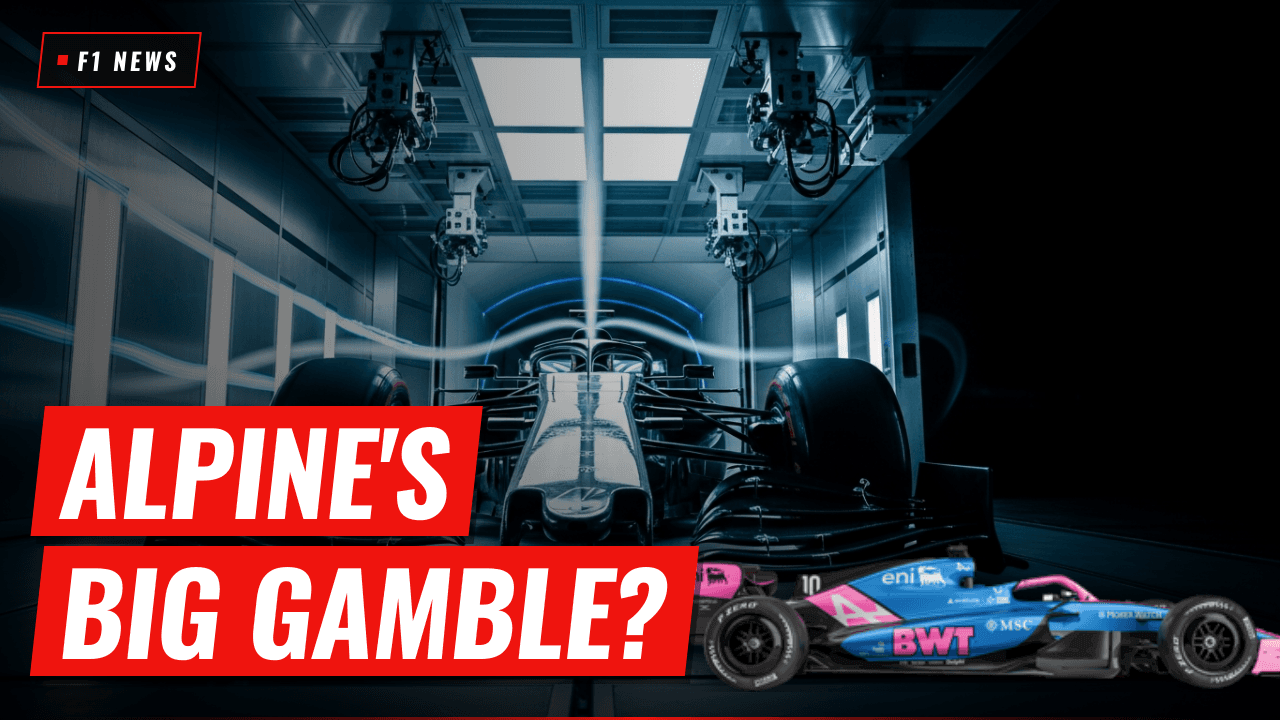
The 2026 season has been defined by its rapid technical evolution. We have seen teams like Alpine, with Pierre Gasly and Franco Colapinto, and Racing Bulls, with Liam Lawson and Arvid Lindblad, rapidly iterating on their car concepts to find gains in this new era. This intervention by the FIA reinforces the governing body's commitment to maintaining a tight performance window and preventing any one constructor from gaining an unintended aerodynamic edge through software-driven mechanical response.
As teams head into the next race weekend, all eyes will be on the technical scrutineering process to ensure full compliance with this new directive. How each team adapts their car setups to this "forced parity" will be a major storyline to watch, as the championship battle intensifies into the second half of the year.
As the grid adapts to these latest technical mandates, ensure you stay informed on how these developments impact driver performance. Visit our race data section for the latest analysis and our updated 2026 Championship winner projections.