BREAKING: FIA Authorizes 2026 Cost Cap Increase to Manage Engine Transition Strain
The FIA has officially authorized a crucial adjustment to the 2026 financial regulations, granting teams additional spending flexibility to navigate the complex challenges posed by this year’s sweeping engine regulation overhaul.
In a decisive move communicated to teams earlier today, August 14, the governing body has greenlit an increase in the allowable cost cap. This financial injection, which provides teams with approximately $6 million in additional spending headroom, is designed specifically to mitigate the mounting costs associated with the aggressive mechanical and technical modifications required to optimize the 2026 power units.
The Technical Catalyst
The primary driver behind this mid-season regulatory pivot lies in the ongoing difficulties teams have faced with the transition to the new power unit architecture. While the 2026 regulations were intended to herald a new era of efficiency and sustainable performance, the reality on track has proven more technically demanding than initially anticipated.
Engineers have been grappling with suboptimal energy management, specifically regarding the "super clipping" phenomenon—where electrical energy deployment reaches its limit prematurely on straights. To address this, the FIA has cleared the path for teams to implement significant mechanical revisions, most notably:
- Revised Fuel Flow Rates: Adjustments to allow for higher fuel flow, which is essential for increasing Internal Combustion Engine (ICE) power. This change aims to reduce the current, heavy reliance on electrical energy management.
- Larger Fuel Tank Capacity: To accommodate the revised flow rates and ensure reliability, teams have been given the green light to redesign chassis elements to allow for increased fuel capacity.
Why This Matters for the Title Fight
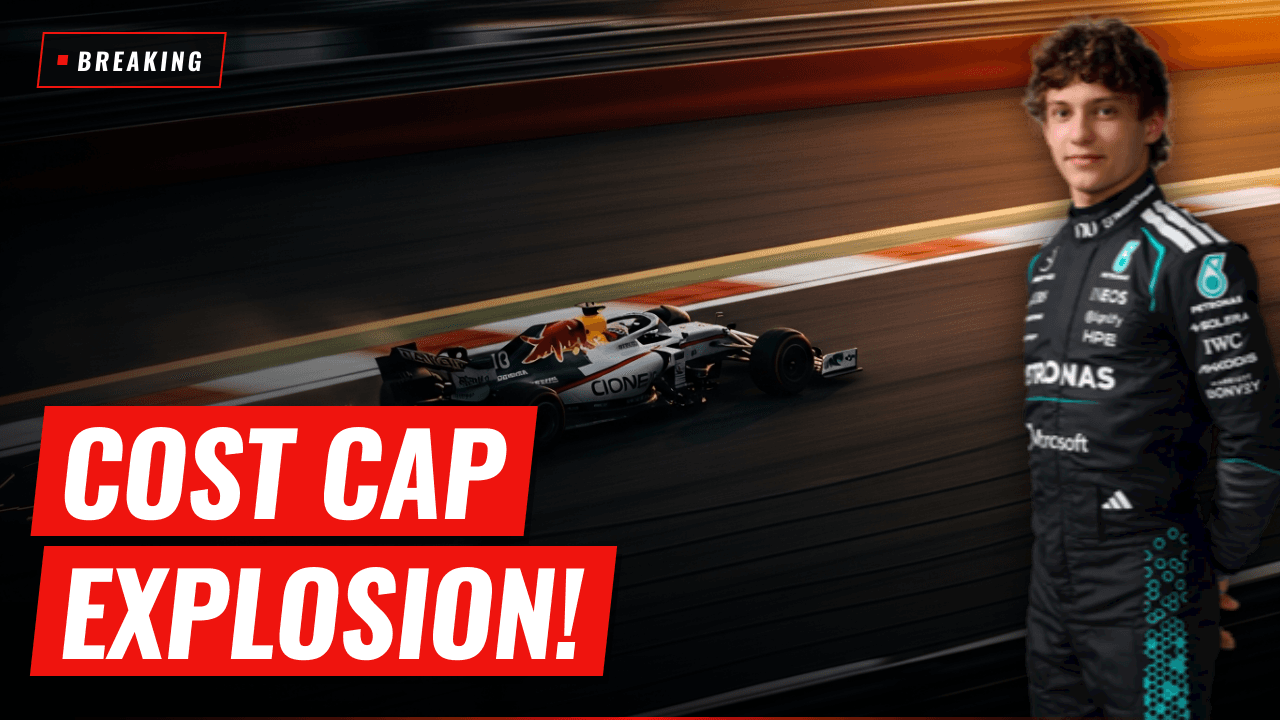
The implications for the remainder of the 2026 season are substantial. With the championship battle heating up—led currently by Mercedes' Kimi Antonelli—this $6 million windfall acts as a critical lifeline for teams that have been operating on razor-thin development margins.
For outfits that have been aggressive with their early-season updates, this injection of funds effectively removes the immediate threat of breaching the cost cap during the final, high-pressure push of the year. It allows for a fresh wave of development cycles as teams look to finalize their car packages for the remaining races and, crucially, establishes a more stable financial baseline for the transition into 2027.
However, the decision to loosen the purse strings mid-year is likely to spark debate among the smaller teams and those with limited budgets, who may argue that this mid-season shift favors the manufacturing giants best equipped to execute complex mechanical redesigns on short notice.
Immediate Outlook
Teams are expected to move rapidly to capitalize on the new spending allowance. With the next rounds of the championship set to be critical in deciding the constructor and driver title fates, this regulatory adjustment could well determine which team finds the breakthrough needed to master the 2026 power unit.
The FIA is expected to release further technical directives later this week, outlining the specific constraints for the permitted modifications to ensure the field remains as tightly contested as possible.
As the paddock digests this news, the pressure is now on technical departments to turn this added financial flexibility into on-track performance. For a full analysis of what this means for the championship standings and the performance hierarchy, check out our latest race predictions.