FIA Scales AI Track Limits Enforcement Following Mid-Season Review
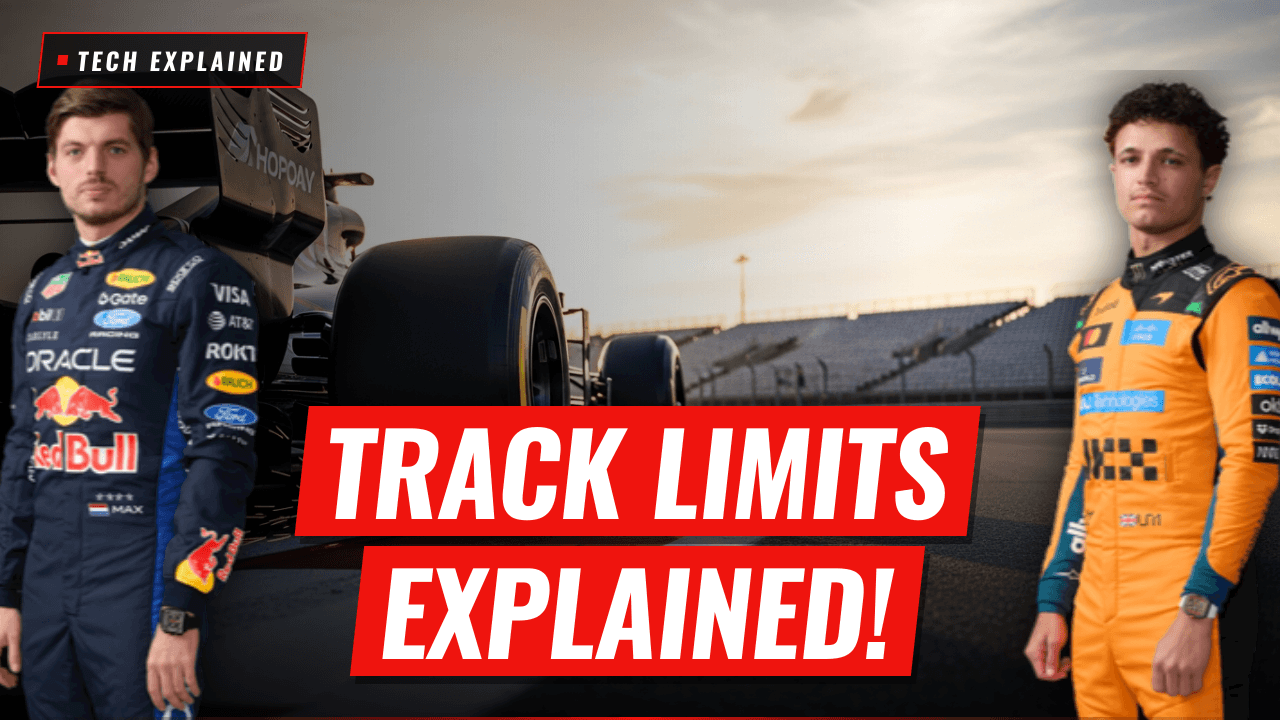
The FIA has officially confirmed the full-scale operational rollout of its AI-powered track limits enforcement system, known as ECAT (Every Car All Turns), across all remaining rounds of the 2026 Formula 1 World Championship. This announcement marks a definitive shift in how the sport governs circuit boundaries, moving away from the manual, high-bandwidth video reviews that defined the sport’s officiating in recent years.
The Technology Behind the Ruling
The ECAT system, developed in partnership with race-tech specialists, leverages advanced computer vision and micro-sector telemetry to track a vehicle's position against the white lines in real-time. Unlike the previous generation of loop-based sensors, which often struggled with false positives, ECAT creates a digital twin of the racing surface.
By comparing a car’s real-time path to a precise reference model, the system automatically flags potential infringements the moment all four wheels cross the track boundary. According to technical documentation released by the FIA, this architecture has demonstrated a 95% reduction in the number of incidents requiring direct intervention by human stewards during testing and early-season application.
Why This Matters for the 2026 Season
The implementation of ECAT is a response to the growing complexity of the 2026 technical regulations. With the new generation of cars featuring a 50-50 power split between internal combustion and electric energy, drivers are already facing unprecedented cognitive demands regarding energy management and deployment.
The previous, manual-heavy approach to track limits—where race control often faced a backlog of hundreds of potential incidents—frequently resulted in post-race classification changes and prolonged uncertainty for both teams and fans. By shifting to a near-instantaneous automated review process, the FIA aims to:
- Improve Race Flow: Provide teams with immediate feedback on infringements, allowing for real-time adjustments.
- Enhance Transparency: Standardize the definition of a breach across all circuits, mitigating the inconsistency that previously occurred between different venue layouts.
- Reduce Steward Backlog: Minimize the time-intensive review of minor, non-competitive track deviations, allowing race control to focus on more complex sporting regulations.
Integrating into the 2026 Championship Battle
For the field, the transition represents a hardening of the "rules of the road." In a season where the championship standings remain tightly contested—with the top of the table separated by small margins and consistent point-scoring essential—the accuracy of ECAT removes the element of "getting away with it" in marginal sectors.
While the system is designed to remove the subjectivity from track limit decisions, the FIA has emphasized that race stewards retain final authority. The AI system acts as a sophisticated filtering tool, flagging incidents for human verification rather than issuing automatic penalties directly to the cars. This hybrid approach ensures that the "human element"—the ability for stewards to account for context, such as a car being forced off-track by a competitor—remains intact.
As the second half of the 2026 season kicks off, the integration of ECAT promises a more streamlined viewing experience. For teams, the focus must now remain on precision; with software monitoring every turn of every lap, the margin for error has effectively vanished.
As the championship fight intensifies with these updated technical protocols, the data suggests that consistency will be the defining factor for the drivers at the front of the grid. If you want to see how this technical evolution impacts the favorites for the next Grand Prix, visit our predictions page for the latest data-driven analysis.