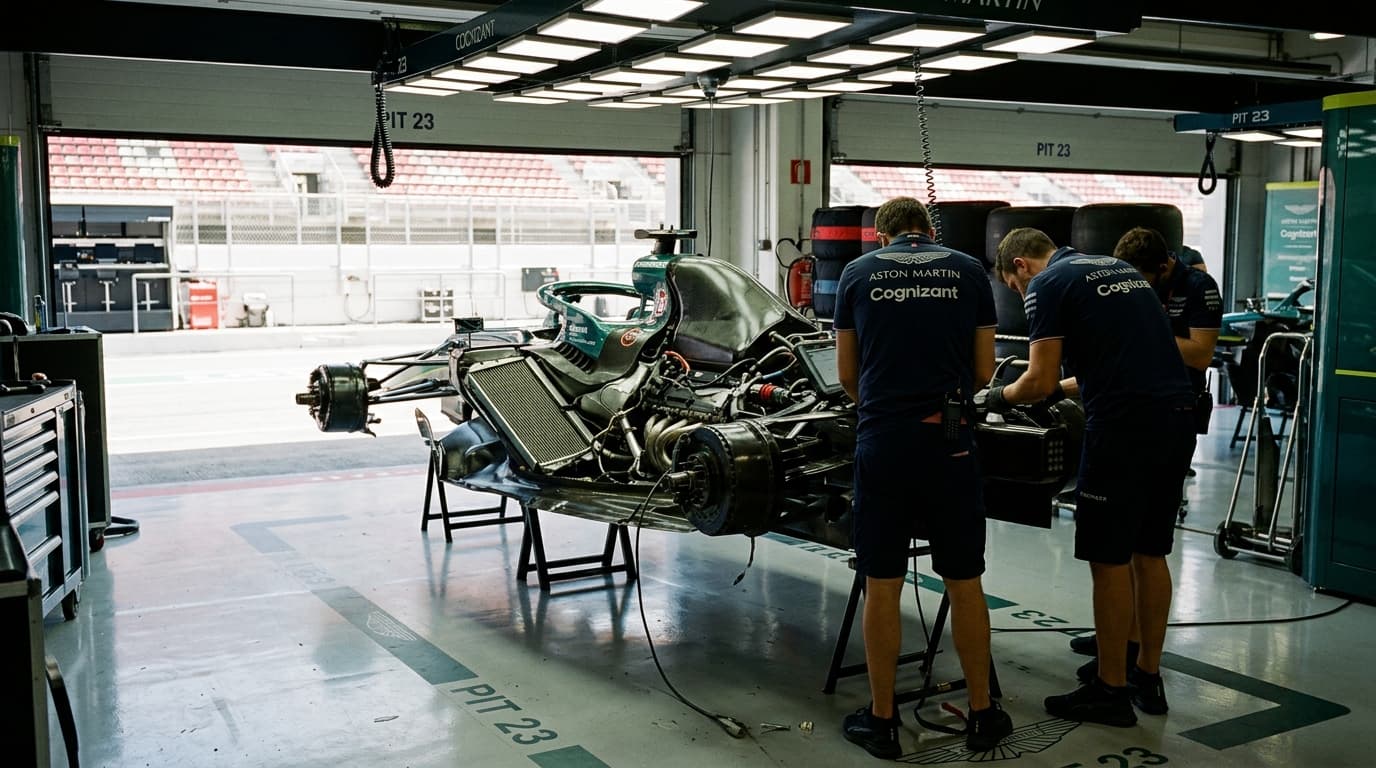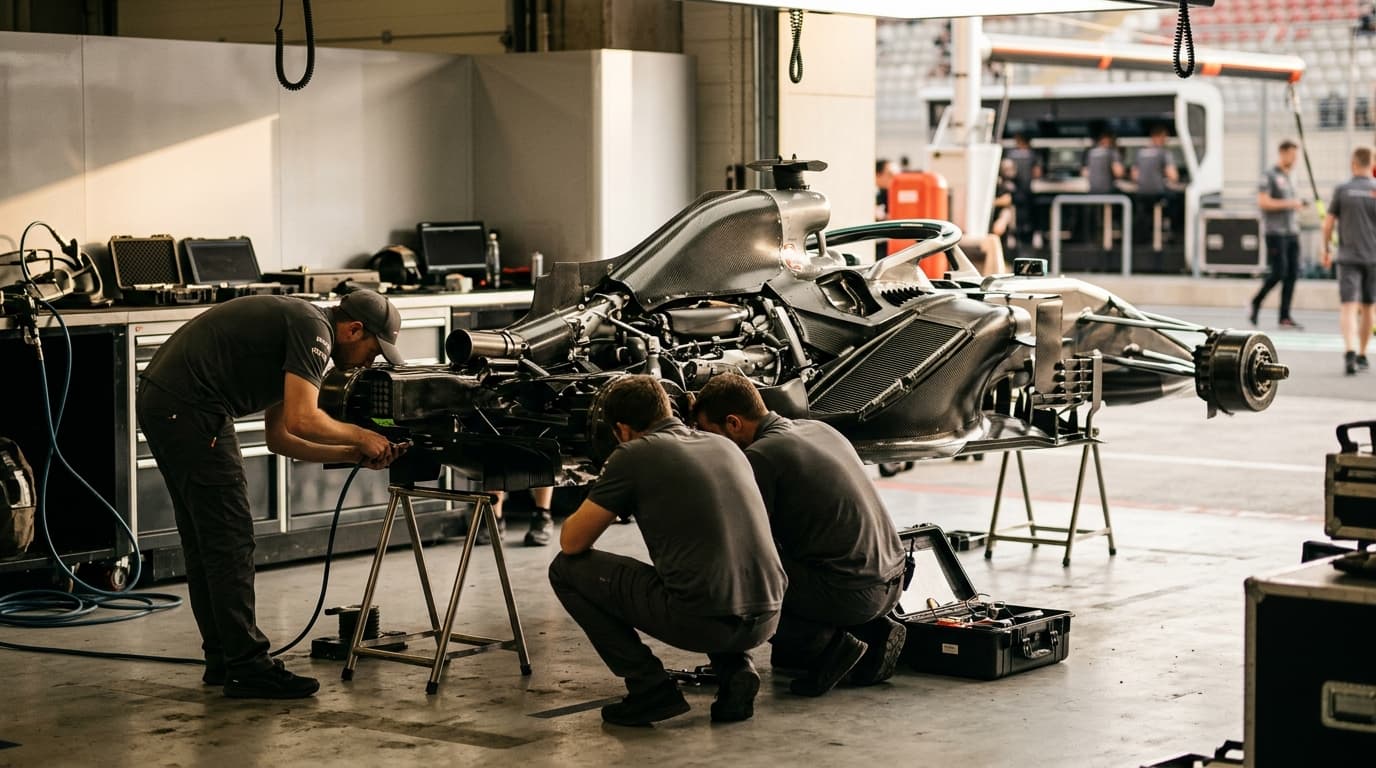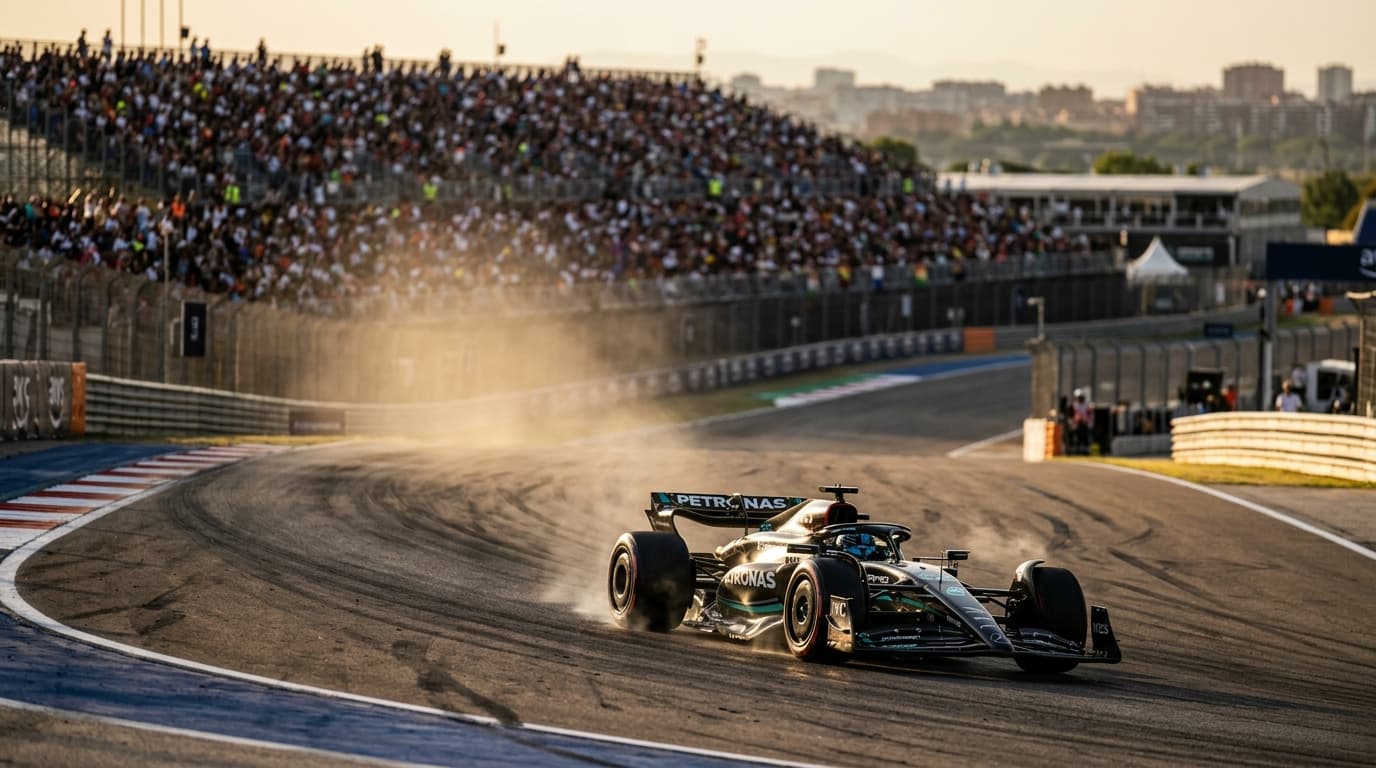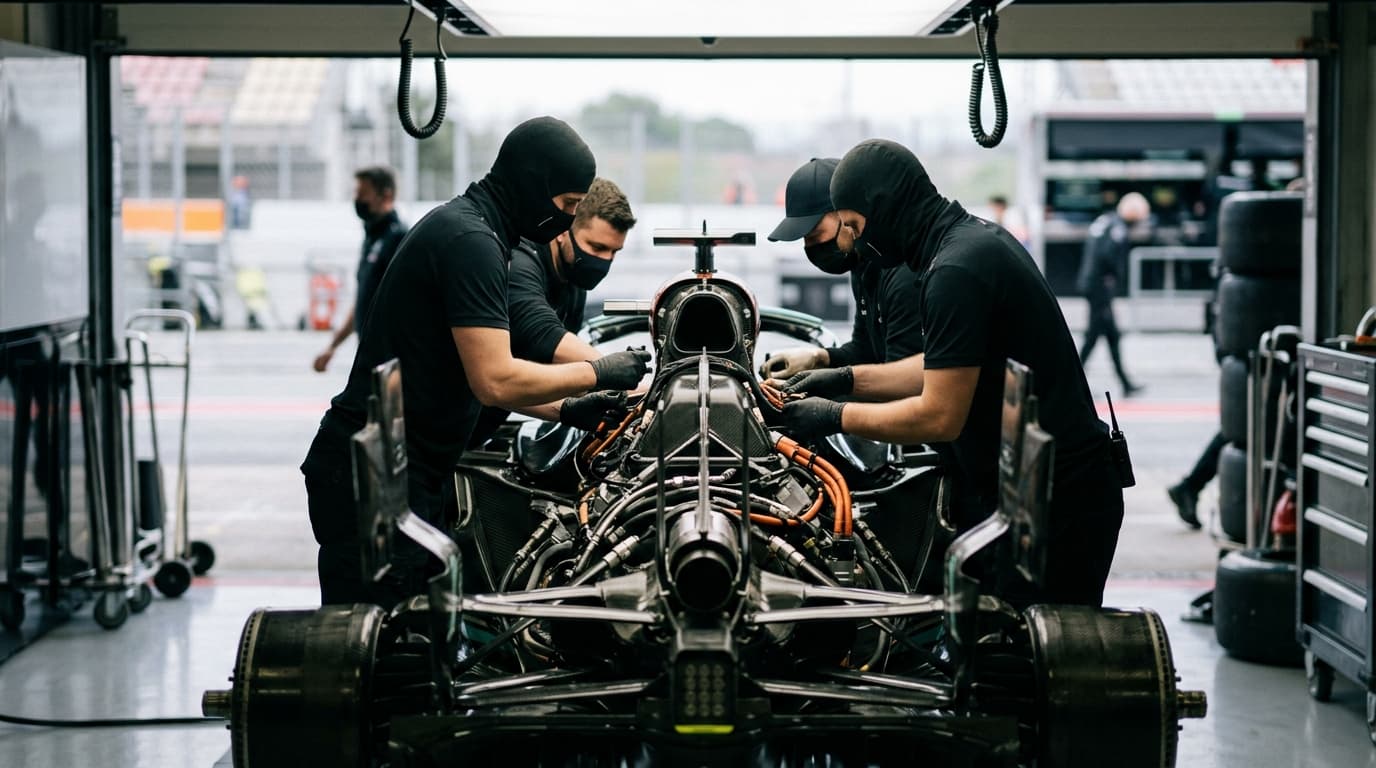
When you watch a Formula 1 car scream down a straight at over 320 km/h, it is easy to assume the driver simply floors the throttle and lets pure mechanical horsepower do the work. In modern Formula 1, however, what you are seeing is only half the story.
Beneath the roar of the internal combustion engine lies a high-tech electrical battle. Drivers are constantly harvesting, storing, and deploying electrical energy lap after lap. For newer fans, understanding energy management unlocks the real story behind overtakes, defensive stands, and fluctuating race pace.
What It Is
Energy management is the process of generating electrical power under braking, storing it in an onboard battery (known as the Energy Store), and sending it back to the driven wheels through an electric motor (the MGU-K, or Motor Generator Unit - Kinetic).
Modern Formula 1 cars are high-performance hybrids. They draw power from two sources: conventional fuel feeding the turbocharged engine, and electricity drawn from the battery pack. Because the battery has strict regulatory and physical limits on how much power it can store and release during a single lap, drivers cannot run at full electrical power indefinitely. They have to balance how much energy they spend with how much they put back in.
Why It Matters
Electrical output provides a massive portion of an F1 car’s total power. When that battery power is flowing, the car accelerates out of corners with astonishing speed.
However, if a driver drains the battery before reaching the end of a long straight, the electrical assist shuts off. In the paddock, engineers call this "derating" or "clipping." When a car clips, its acceleration flattens out, making it look as though the driver tapped the brakes while rival cars fly past.
For data analysts and race strategists, energy management is a foundational metric. It explains why a car might suddenly look slow on one lap and blitz the field on the next, or how a defending driver manages to keep a faster car behind despite older tyres.
How It Works
The energy cycle happens in three main stages during every single lap of a Grand Prix:
- Harvesting: Energy can neither be created nor destroyed—only converted. When an F1 driver stomps on the carbon brakes, the electric motor reverses its function, acting as an ultra-powerful generator. It resists the rotation of the wheels to slow the car down, turning kinetic energy into electricity that recharges the battery. Drivers can also harvest extra energy through "lift-and-coast," lifting off the throttle slightly before a heavy braking zone.
- Automated Deployment: Most of the energy deployment is handled automatically by sophisticated engine maps designed by team engineers. The car recognizes where it is on the circuit and delivers electric power exactly where it produces the best lap time—typically upon corner exit when the rear tyres need maximum traction.
- Tactical Override: Drivers have manual control over their energy reserves via steering wheel controls, often called an "overtake" or "push-to-pass" button. Pressing this delivers an immediate surge of maximum battery power to launch an attack or counter a rival’s slipstream.
- Managing State of Charge: If a driver spends several consecutive laps using maximum deployment to attack, the battery's State of Charge (SoC) plummets. When that happens, the engineer will instruct the driver to spend a lap recharging, backing off slightly to build the battery reserves back up for another assault.
A Current-Season Example
You can see the decisive impact of energy management in the 2026 championship battle between Mercedes, Ferrari, and McLaren. Mercedes has dominated the Constructors' Championship with 10 victories across the opening 14 rounds, led by Andrea Kimi Antonelli at the top of the Drivers' standings.
A major pillar of Mercedes' advantage this season has been race-stint energy recovery. While Ferrari drivers Lewis Hamilton and Charles Leclerc have regularly challenged for pole positions over a single flying lap, the Mercedes works car excels at sustained harvesting during chaotic race conditions.
In wheel-to-wheel combat, Antonelli and teammate George Russell consistently avoid the severe clipping that has hindered their rivals late on long straights. By harvesting efficiently through medium-speed corners without sacrificing momentum, Antonelli can hoard battery reserves for key moments. When a chasing driver attacks, Antonelli deploys an extra punch of electrical power out of the final corner, maintaining high terminal velocity all the way to the braking marker and leaving the attacking car with no room to squeeze through.
Understanding how teams balance combustion power with electrical strategy gives you a whole new way to read a Grand Prix. To see how these tactical dynamics translate into race outcomes, check out our latest race predictions.