FIA Confirms Unanimous Agreement on 2030 V8 Engine Framework.
25 nov. 2026 · 3 min de citit · De F1 Predictions
A landmark unanimous agreement by the FIA and all 11 teams will see a shift to 2.1-litre turbocharged V8 engines in 2030.
Articol
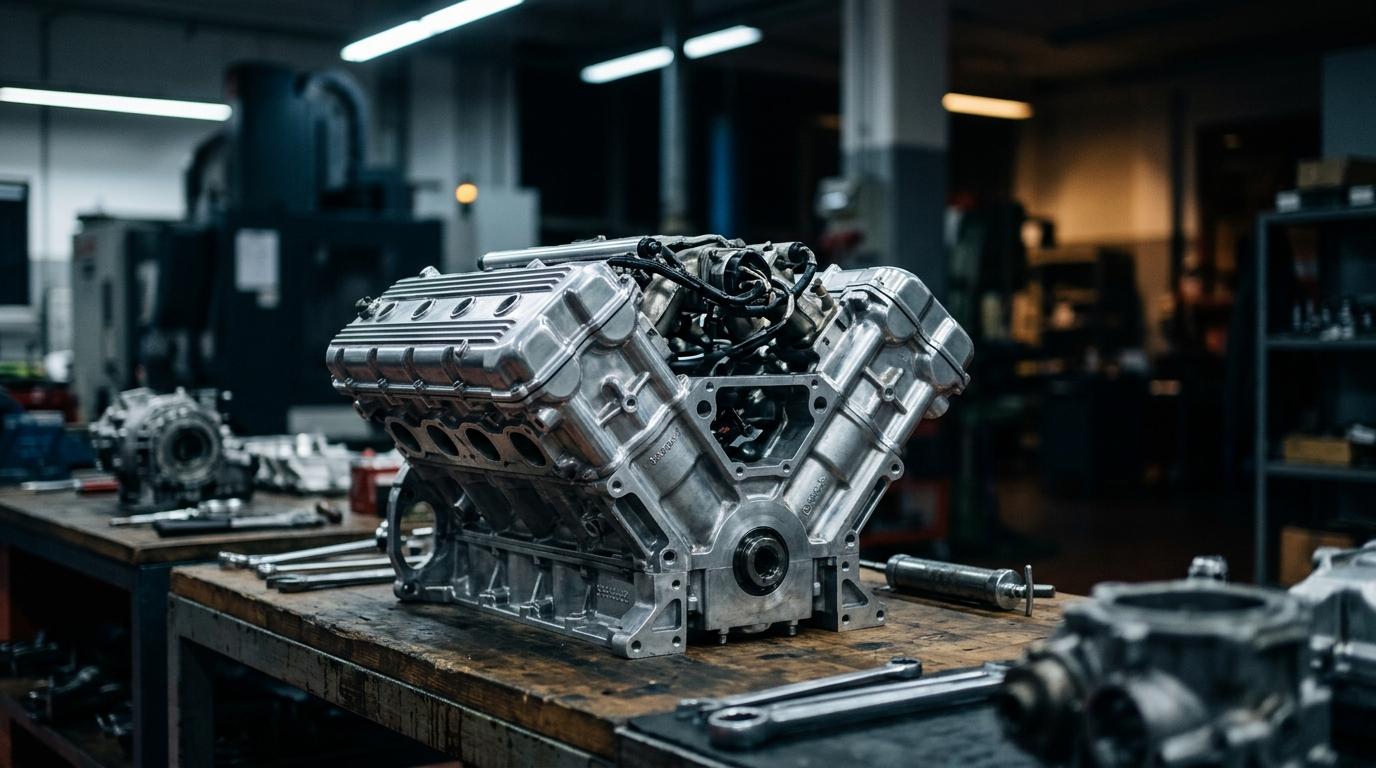
FIA Confirms Unanimous Agreement on 2030 V8 Engine Framework
Formula 1’s long-term powertrain roadmap has taken a definitive step forward. The FIA, Formula One Management (FOM), all 11 teams, and the sport's engine manufacturers have reached a unanimous agreement to adopt a 2.1-litre turbocharged V8 engine framework starting in the 2030 season.
The landmark consensus, finalized during meetings in the Las Vegas paddock, establishes the technical direction intended to replace the heavily electrified power unit regulations that debuted this season.
A Lighter, Louder 2.1-Litre Turbo Concept
The newly approved engine framework is designed to tackle the sport's persistent weight and complexity challenges while preserving its environmental commitments.
According to details released by the FIA, the core architecture includes:
- Engine Architecture: A 2.1-litre turbocharged V8 internal combustion engine, shifting away from the 1.6-litre V6 turbo formula utilized since 2014.
- Sustainable Fuel: Complete reliance on 100% advanced sustainable drop-in fuels.
- Scaled-Back Hybrid Dependency: A notable reduction in electrical power output compared to the current 2026 split, which mandates up to 350 kW of hybrid deployment.
- Weight Reduction Focus: A simplified mechanical layout targeted at allowing lighter, more agile chassis so drivers can push without severe energy derating.
Unlike the naturally aspirated 2.4-litre V8 engines raced between 2006 and 2013, this new specification retains forced induction. The 2.1-litre displacement provides existing manufacturers—including Mercedes, Ferrari, Audi, Honda, and Red Bull Ford—a cost-effective engineering base that builds upon their current thermal combustion research rather than necessitating a completely clean-sheet architecture.
Why the Paddock Reached Consensus
The unanimity across all 11 competitors and engine suppliers represents a rare alignment among Formula 1 stakeholders. Over the course of the 2026 campaign, drivers and team technical directors have voiced concerns regarding energy management on long straights and the ballooning minimum weight of the machinery.
"This agreement marks a significant milestone in shaping the future of Formula 1," FIA President Mohammed Ben Sulayem said in an official statement. "From the outset I have been clear in my ambition to deliver a sport that is more competitive and more exciting for our fans, while remaining at the forefront of innovation and sustainability. The return of V8 engines represents an opportunity to reconnect with the DNA of this Championship, bringing back the sound, emotion and pure racing that fans love."
Securing manufacturer consensus now was vital for technical schedules. Engine builders require finalized engine architectures by the end of 2026 to begin physical Computer-Aided Design (CAD) and dyno development cycles throughout 2027. The decision also gives newcomer operations, such as Cadillac, clear long-term clarity as they prepare their future in-house powertrain programs.
What Happens Next: Ratification in Shanghai
While the fundamental concept has received full backing from every competitor and engine supplier, the exact regulatory text must clear one final administrative hurdle.
The FIA is scheduled to present the complete technical, sporting, and financial regulations for the 2030 V8 package to the FIA World Motor Sport Council (WMSC) for formal ratification when the council convenes in Shanghai next month. Once approved by the council, the technical guidelines will officially enter the FIA sporting code, cementing the end of the turbo V6 era in 2029.
As the current season winds down under the lights, stay tuned to our analysis and follow our latest race predictions for all upcoming track action.
Cititor
Următoarea ta mutare
Surse
Conexe
Previzualizare25 nov. 20264 MIN
Qatar GP Preview: Antonelli Tipped for Milestone Tenth Win
Știri29 iul. 20262 MIN
FIA Reveals Technical Blueprint for 2027 Formula 1 Season
Breaking20 iul. 20262 MIN
FIA Announces Major 2027 Aerodynamic Regulation Overhaul
Breaking20 iul. 20262 MIN
Ferrari Sanctioned by FIA for Tire Procedural Error at Spa
Știri13 iul. 20263 MIN
FIA Implements AI-Powered ECAT System for 2026 Track Limits
Știri6 iul. 20262 MIN
FIA Updates 2026 Telemetry Protocols for Energy Management
Comentarii
- Niciun comentariu încă. Fii primul.