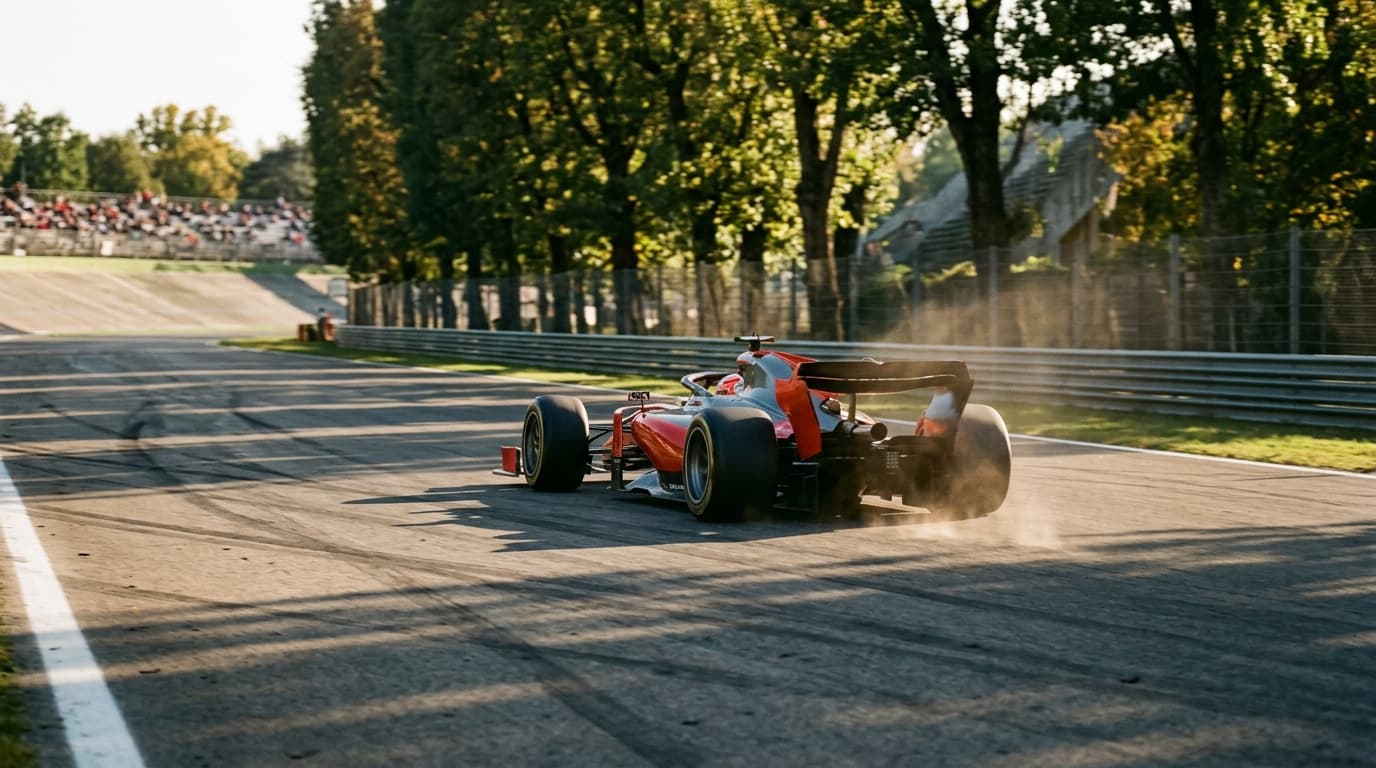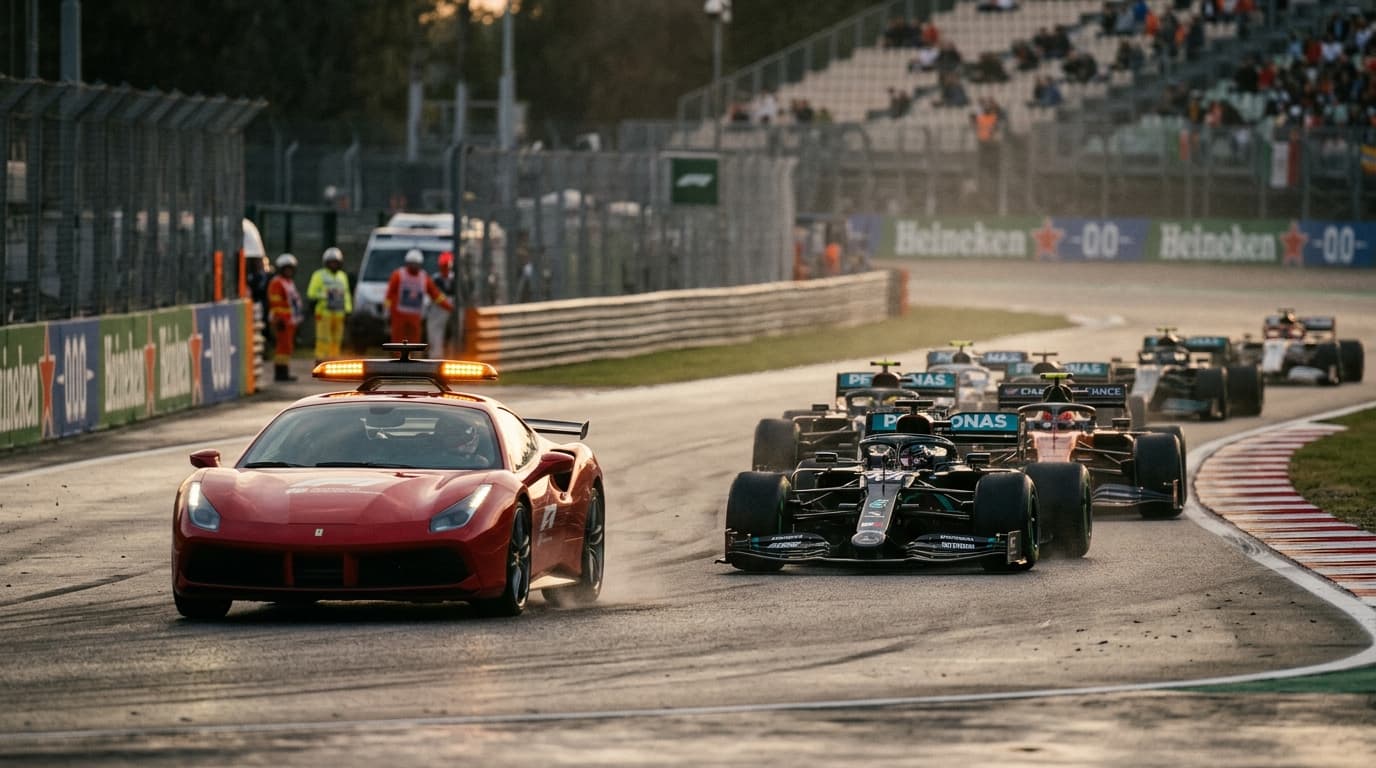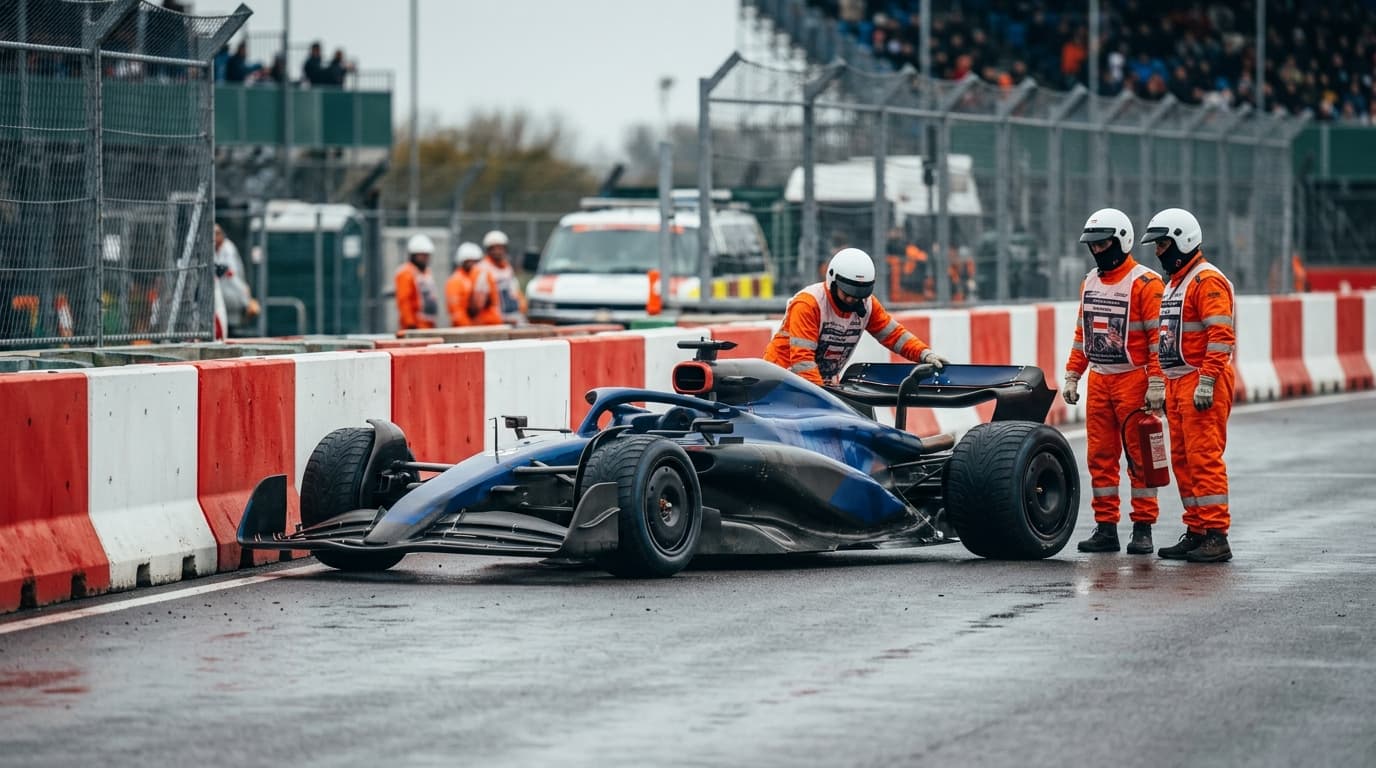
Formula 1 teams have reached a unanimous agreement to structurally reduce Grand Prix race distances from the traditional 305 kilometers down to approximately 290 kilometers starting in the 2027 season.
The sweeping change comes as teams grapple with upcoming power unit regulation updates and the practical engineering hurdles of managing increased fuel demands without forcing an entire redesign of existing chassis.
The Technical Catalyst Behind the Cuts
The push to shorten grand prix distances is a direct downstream effect of adjustments being made to next-generation power unit regulations. Following criticism over energy-constrained racing under current formulas, rules are shifting to increase internal combustion engine power and raise fuel-flow rates for 2027, preventing cars from becoming overly energy-starved.
However, pushing more fuel through the engine introduces an immediate logistical problem: cars require more total fuel to complete a full race distance. Because many teams planned to carry over elements of their chassis configurations from 2026 to save resources, physically enlarging fuel tanks was deemed impractical.
While authorities have factored in supplementary cost-cap spending allowances to help teams navigate minor chassis modifications, trimming the overall race distance emerged as the primary structural solution to ease the burden.
What Changes on Track
The agreed-upon adjustment will introduce a uniform reduction across the majority of the calendar:
- Grand Prix Distance: Standard races will drop from 305km to roughly 290km.
- Lap Counts: Most events will be trimmed by approximately two to three laps.
- Exemptions: Monaco, which already operates under a special 260km distance limit, will remain unaffected.
Initial stakeholder discussions had explored cutting a handful of specific races by a couple of laps or restricting cars to a single formation lap. That idea was ultimately scrapped over fears that inconsistent distances could introduce unintended tactical anomalies, such as turning individual rounds into unintended fuel-economy management races.
What Happens Next
Although all 11 teams have signaled their backing following proposals circulated through the paddock, the measure is not yet formally locked into the sporting code.
The agreement must still clear the formal legislative pipeline, requiring official approval from the F1 Commission followed by final ratification from the FIA World Motor Sport Council. With teams already deep into forward development cycles for upcoming iterations of their cars, formal adoption is expected to move quickly.
As the paddock adapts to these structural shifts for the future, analyze how the current grid stacks up by checking out our latest race predictions.