Decoding Free Practice: Why Headline F1 Lap Times Lie
Every Grand Prix weekend begins the same way: cars roll out of the garage for Free Practice, the timing screen flashes with purple and green sectors, and social media buzzes with reactions over who topped the leaderboard.
For newer fans, it is natural to assume that whoever finishes fastest in Friday practice will fight for pole position on Saturday. In Formula 1, however, practice timing sheets are famously deceptive. Learning to see through the noise of Free Practice is the secret to understanding how teams prepare and predicting where they will actually finish on Sunday.
What It Is
Free Practice consists of three 60-minute sessions—Free Practice 1 (FP1) and Free Practice 2 (FP2) on Friday, followed by Free Practice 3 (FP3) on Saturday morning—held before Qualifying. On Sprint weekends, this format is condensed into a single one-hour session.
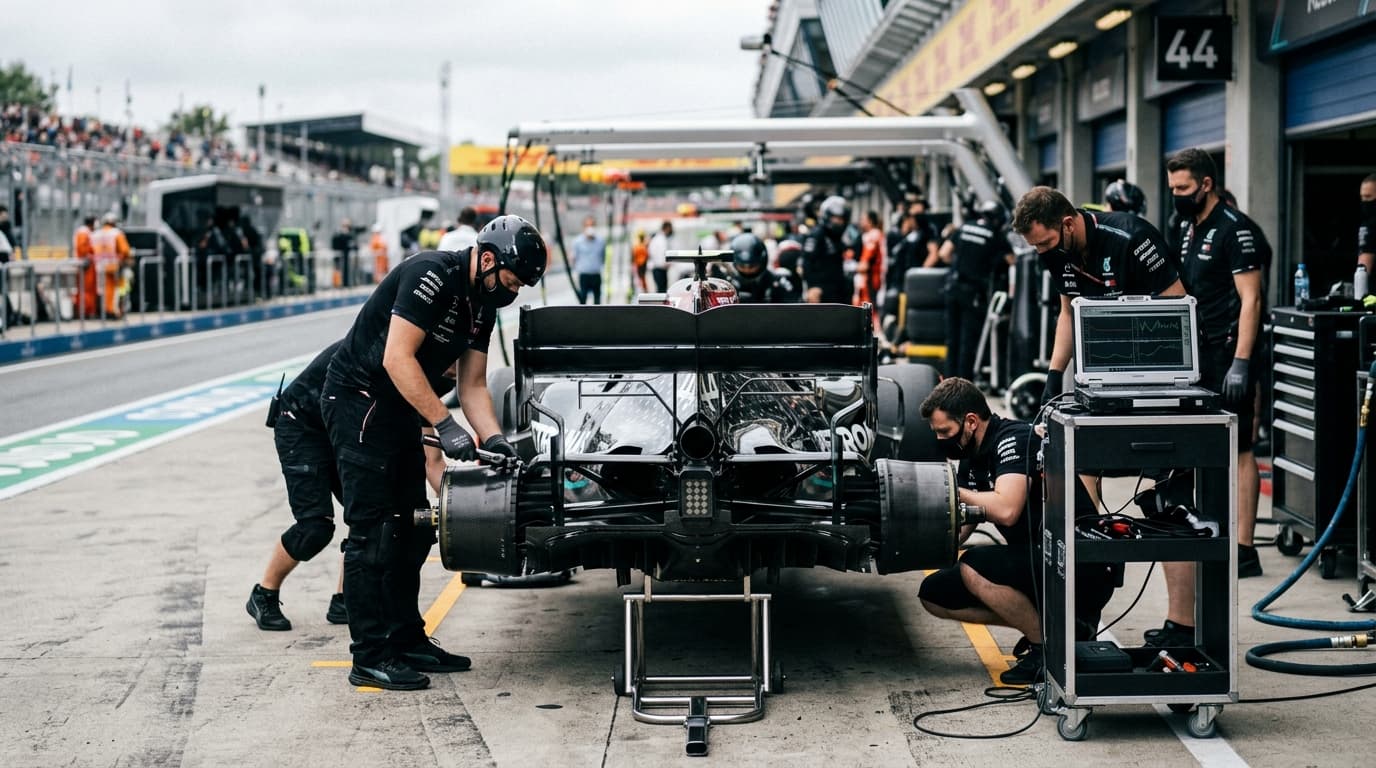
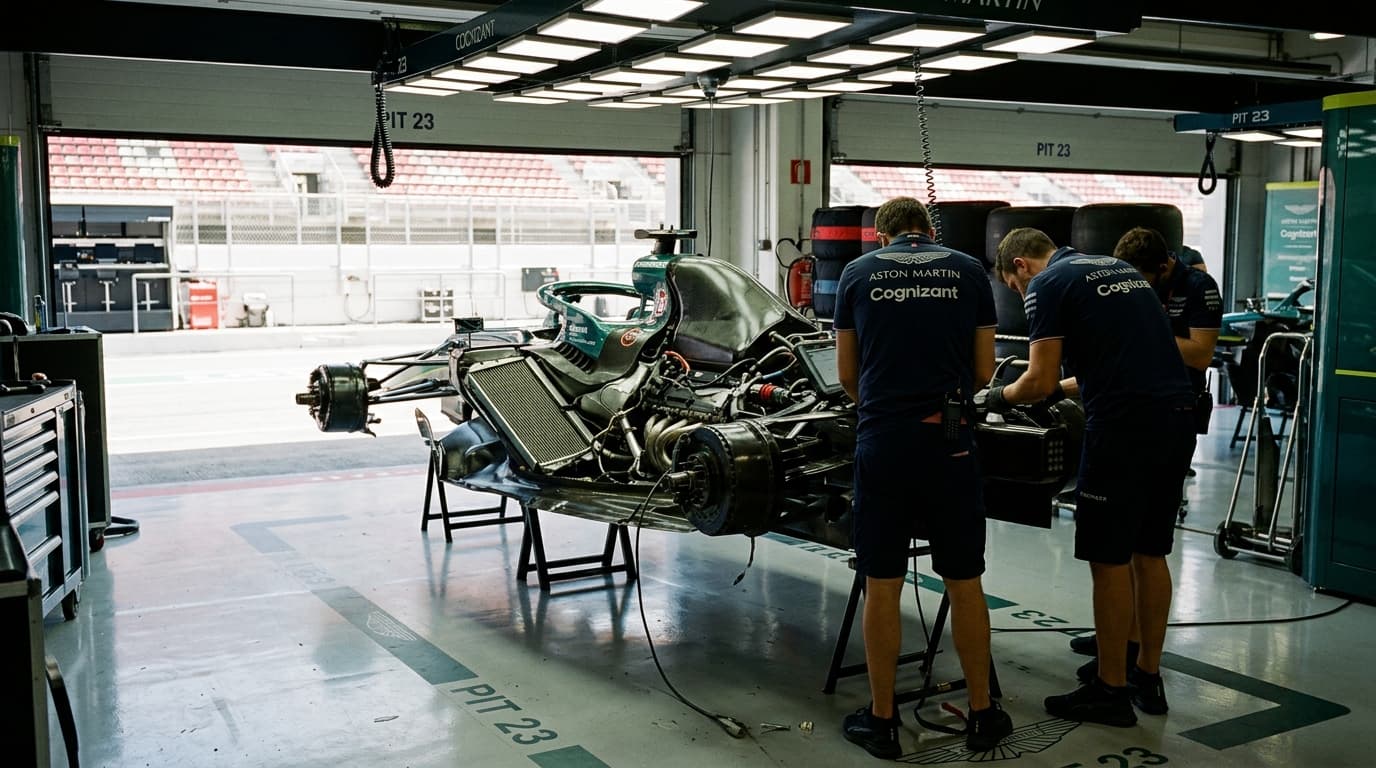
Unlike Qualifying, where every driver pushes on low fuel to set one absolute benchmark lap, Free Practice sessions are trackside engineering experiments. Teams use this time to test aerodynamic upgrade packages, calibrate suspension setups, understand tyre degradation, and gather baseline data.
The headline results displayed at the end of the hour simply show the single fastest lap each driver managed. Because different teams run completely different programmes at any given moment, that single lap rarely reveals the true competitive order.
Why It Matters
If you rely solely on headline practice times, race weekends can feel confusing and contradictory. A midfield team that finishes in the top three on Friday afternoon might end up eliminated in the first round of qualifying twenty-four hours later. Conversely, a championship-leading car languishing in eighth place during practice might go on to dominate the Grand Prix.
For data analysts and fans trying to anticipate race outcomes, practice data is invaluable—provided you look beneath the surface. The true story of a race weekend is hidden in the underlying numbers: continuous stint lengths, fuel-adjusted lap averages, and tyre management.
How It Works
To read Free Practice like a race engineer, you have to account for three major variables that disguise outright performance:
- Fuel Loads (The Three-Second Disguise): Weight is the single biggest enemy of lap time. Formula 1 cars carry up to around 100 kilograms of fuel at the start of a Grand Prix. Every 10 kilograms of fuel adds roughly 0.3 to 0.35 seconds per lap, depending on track layout. A car circulating on full race fuel is often three or more seconds slower than the exact same car running on qualifying fuel fumes. When one driver is running heavy race tanks while another is testing on a light tank, comparing their lap times is meaningless.
- Engine Modes and Power Unit Preservation: Modern hybrid power units are strictly rationed across the 24-race calendar. Incurring grid penalties for fitting replacement parts late in the season can destroy a championship campaign. As a result, teams run conservative power modes throughout Friday practice to avoid unnecessary wear, saving maximum engine output for the final stages of Saturday qualifying.
- Long Runs vs. "Glory Runs": In FP2—usually the most representative session because track conditions mirror qualifying and the race—teams split their time between low-fuel qualifying simulations on soft tyres and extended "long runs" of 10 to 18 consecutive laps on medium or hard tyres. Occasionally, a midfield team will bolt on soft tyres with minimal fuel late in the session to log a headline-grabbing lap—often dubbed a "glory run." Meanwhile, top contenders are quietly pounding around on high fuel, gathering tyre degradation data for Sunday strategy.
A Current-Season Example
The 2026 championship battle perfectly illustrates why headline practice times require careful interpretation. Mercedes has been the dominant force this season, with Andrea Kimi Antonelli and George Russell combining for 11 victories across the first fifteen rounds.
Yet on several Friday afternoons, the top of the FP2 timesheet has featured unexpected names. Midfield teams like Audi, Haas, or Alpine—featuring drivers such as Nico Hulkenberg, Oliver Bearman, and Pierre Gasly—have frequently popped up inside the top five at the end of practice. Meanwhile, Ferrari contenders Lewis Hamilton and Charles Leclerc, or McLaren's Lando Norris and Oscar Piastri, have regularly sat in seventh or eighth.
To casual viewers, it might look as though the midfield has pulled off a shock breakthrough. But examining the stint data tells a very different story: the midfield cars set their times during low-fuel qualifying simulations on fresh soft tyres, while Mercedes, Ferrari, and McLaren spent the session running heavy race simulations on medium and hard compounds. Once Saturday qualifying arrived and every car ran identical low-fuel loads with maximum engine modes, the true hierarchy reasserted itself at the front.
Learning to ignore the single-lap headline times and focus on fuel-corrected long-run averages is the key to seeing who actually holds the upper hand. To see how our models translate that detailed practice data into race forecasts, check out our latest race predictions.