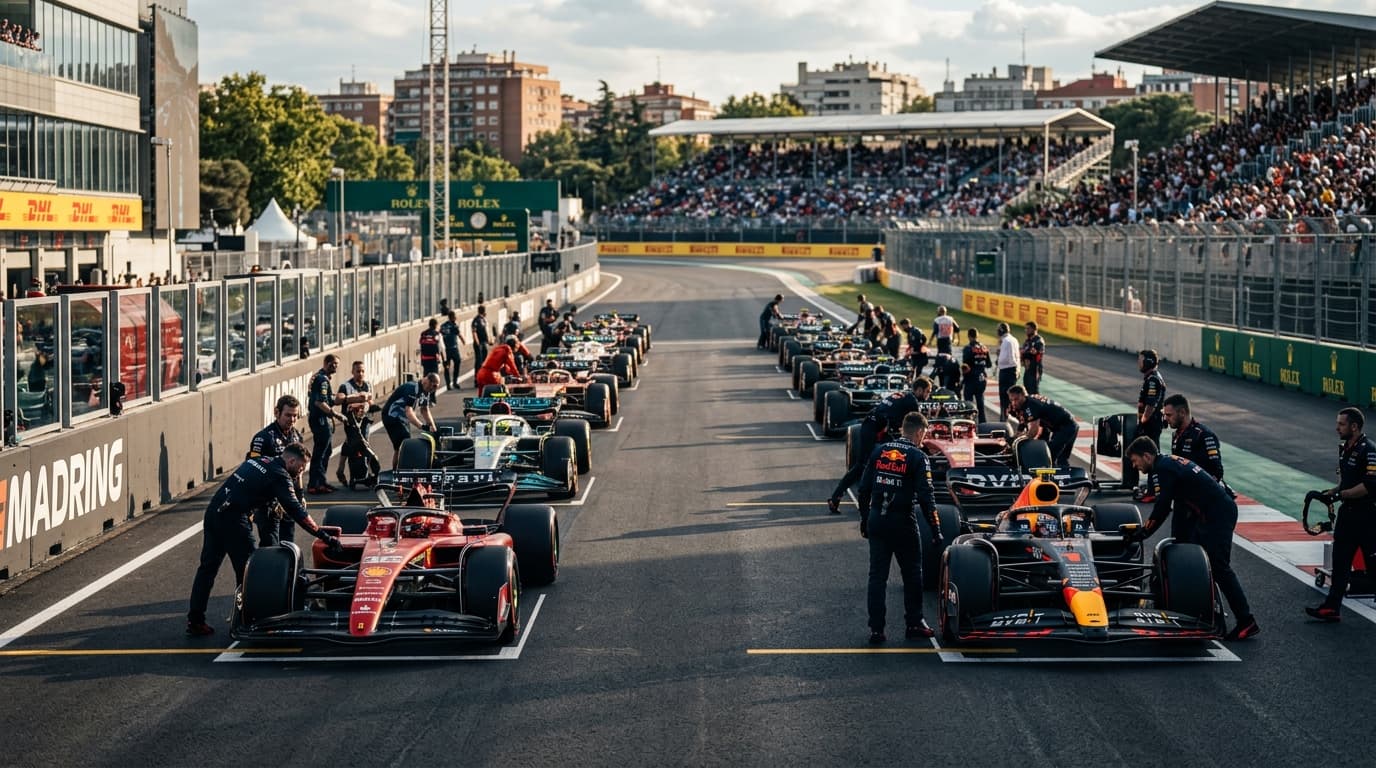
As Formula 1 touches down in the Spanish capital for Round 14 of the 2026 season, focus has intensely shifted to the architectural and technical profile of the brand-new Madring circuit. Williams driver Carlos Sainz, who completed comprehensive simulator sessions ahead of the inaugural Spanish Grand Prix weekend at the IFEMA complex, has detailed the unique layout challenges awaiting the grid.
Simulating the Madring: A Hybrid Challenge
The 57-lap race around Madrid's newly constructed venue presents an entirely fresh puzzle for engineers and drivers alike, operating under Formula 1's revolutionary 2026 technical regulations. According to simulator data and feedback provided by Sainz, the track diverges significantly from traditional European permanent circuits, blending characteristics of some of the calendar's most punishing street layouts.
Sainz noted that driving the Madring in the simulator revealed a layout combining the high-speed wall-scraping rhythm of Jeddah and Baku with the mechanical agility required at Singapore. This convergence of design philosophies means teams must strike a delicate balance between high-speed aerodynamic stability—utilizing the new active aero straight-line modes—and low-speed mechanical traction.
The Test of 'La Monumental'
One of the most notable technical talking points emerging from simulator correlation is the circuit's distinctive banking. Particular attention has been drawn to the sweeping corner designated as La Monumental.
- High-Load Demands: Initially anticipated by drivers to be a straightforward, flat-out acceleration zone, simulator runs proved it to be far more complex.
- Car Control: The heavy banking requires precise throttle management, energy deployment control, and sustained lateral load handling, elevating it into a prime spot for potential time gains or costly errors.
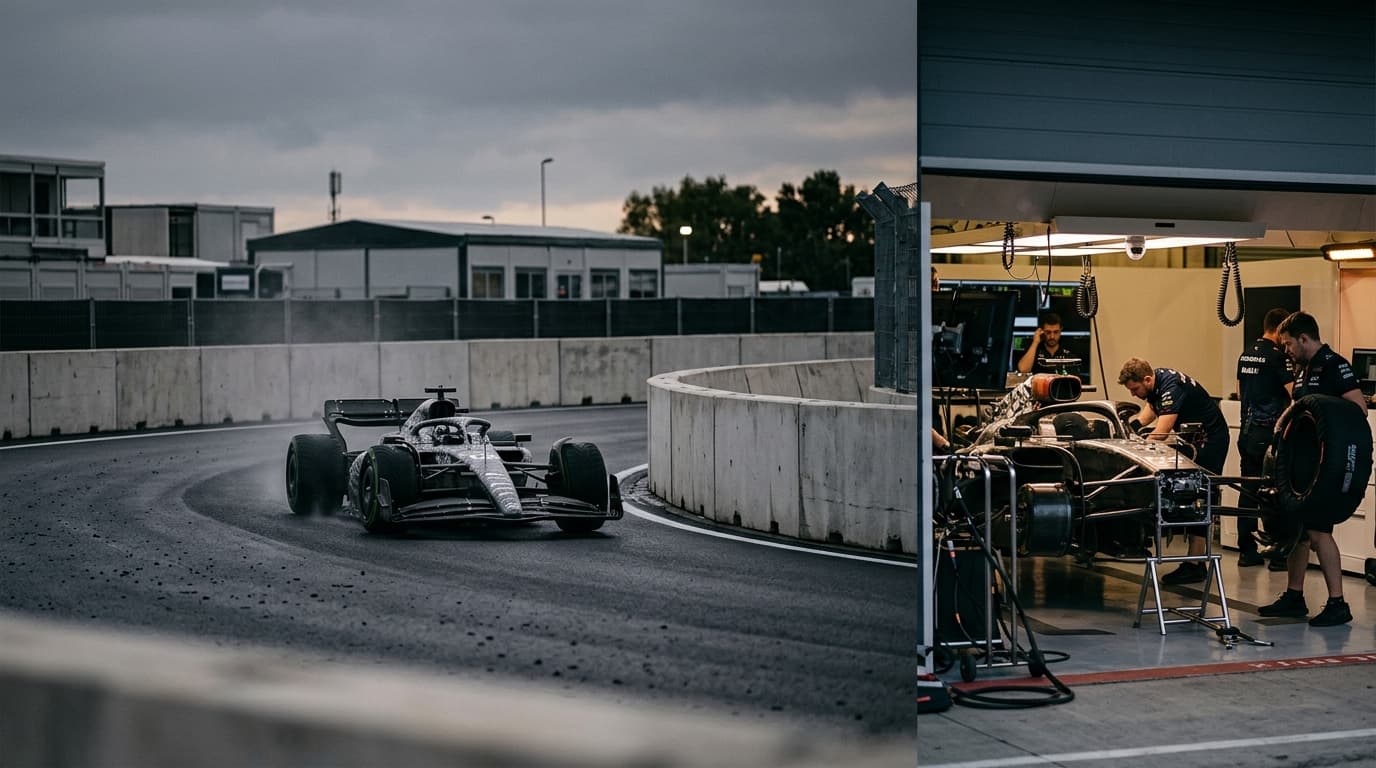
- Setup Complications: Engineers must configure suspension stiffness and ride heights to cope with the transition onto and off the banking without compromising the car's aerodynamic platform stability through the tighter sections.
Stepping Into the Unknown for Round 14
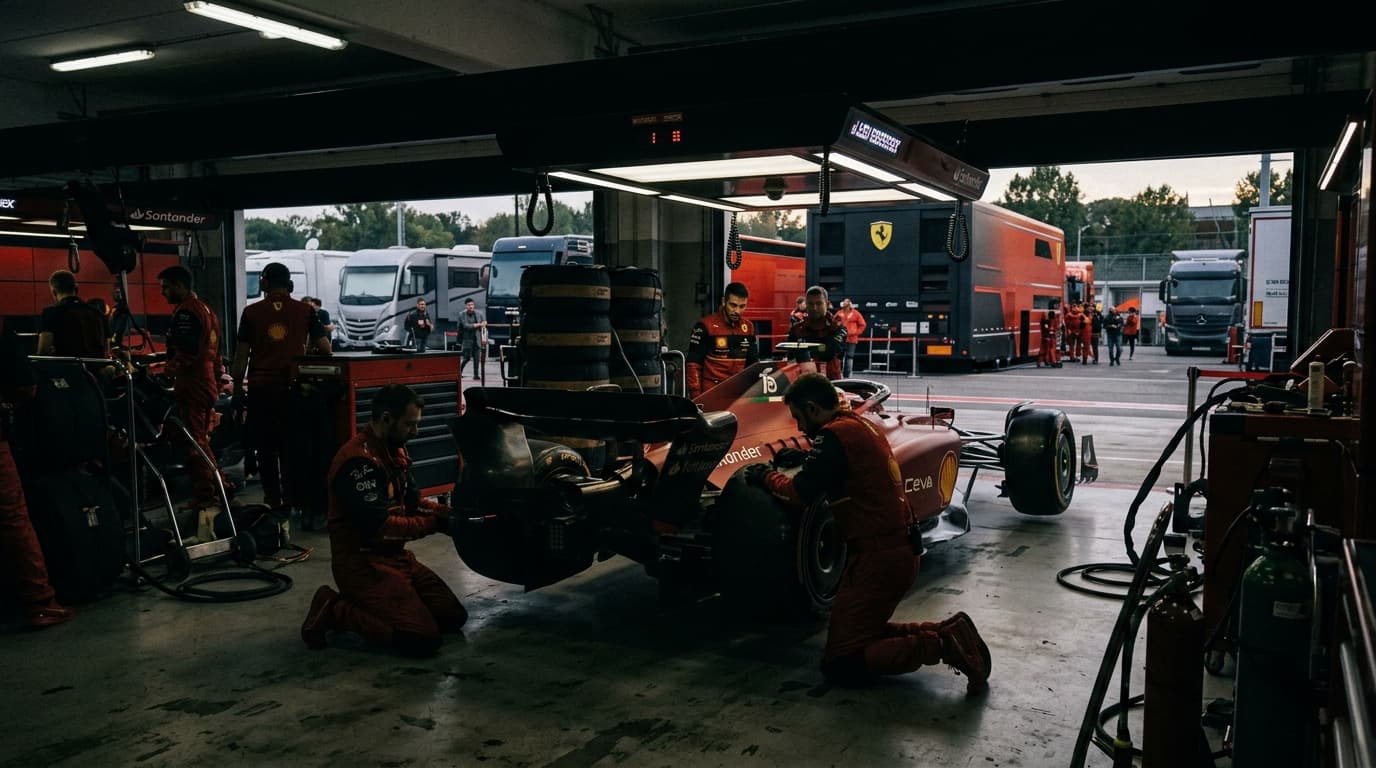
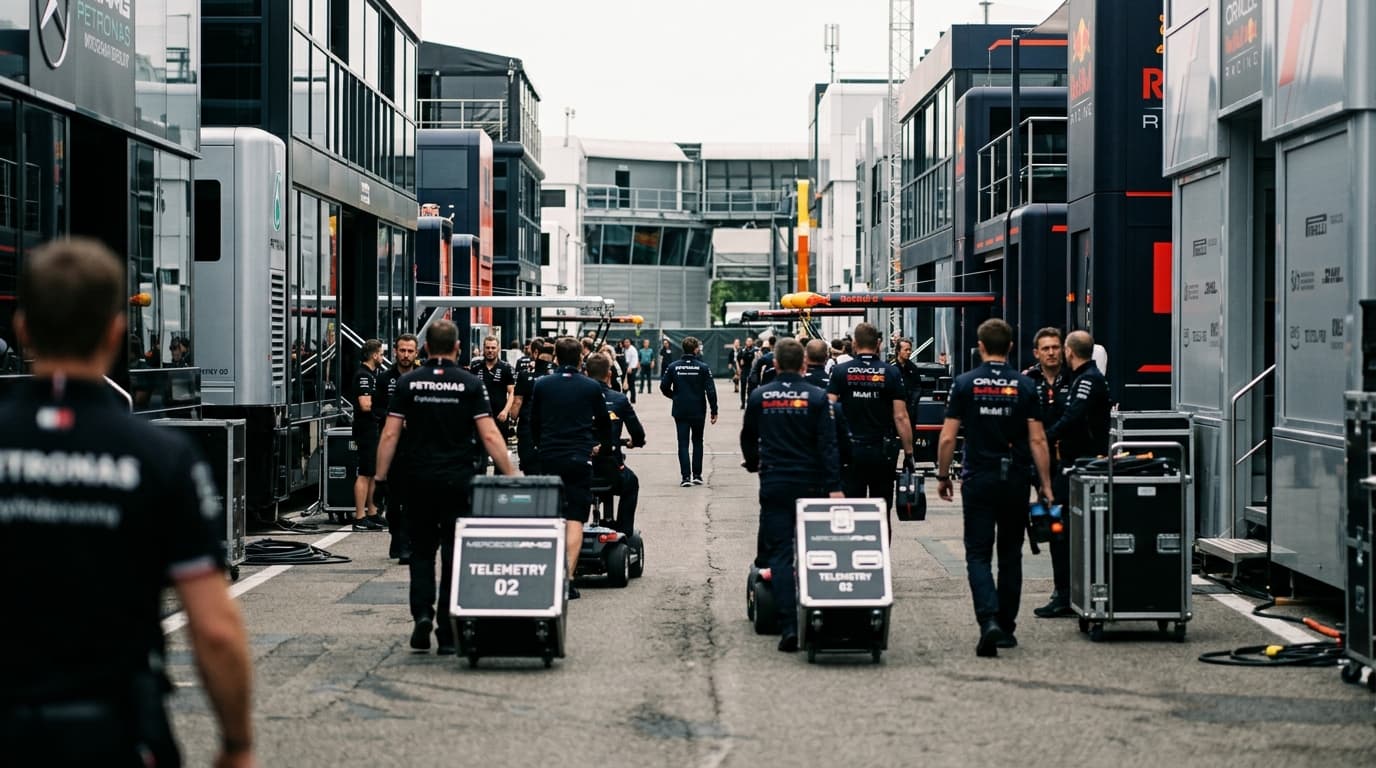
With track action at the IFEMA complex getting underway, teams face a compressed learning curve. Free practice sessions will be critical for correlating simulator models with real-world asphalt data, especially given the high-stakes championship context. Mercedes arrives in Spain holding a commanding lead in the constructors' standings, while Andrea Kimi Antonelli sits atop the drivers' classification following his victory at Monza.
For chasing teams and midfield operations like Williams, mastering a completely green track surface on day one could provide a vital competitive edge in navigating the unknowns of F1's newest venue. Getting the setup right under strict regulations will separate those who adapt quickly from those caught out by the Spanish capital's demanding layout.
To see how our data models project the grid will handle Madrid's sweeping banking and tight technical sections this weekend, check out our latest race predictions.