Formula 1 is often described as a chess match at 200 mph, but it is also a sport of extreme isolation. Inside the cockpit, surrounded by the roar of the new 2026 power units and the intense physical demands of the car, a driver is effectively cut off from the world. They cannot hear a marshal shouting or see a digital sign unless it is right in front of them.
To bridge this gap, Formula 1 uses a time-tested, universal language: the flag system. Whether it is a physical cloth flag waved by a marshal trackside or a digital light panel on the steering wheel, these signals are the only way Race Control communicates critical information to the drivers. For newer fans, understanding this visual language is the key to decoding the drama of a Sunday race.
What It Is
The flag system is a set of standardized visual signals used to convey track conditions to drivers. Because radio communication—while vital—can be missed or misunderstood in the heat of battle, these flags provide an immediate, fail-safe method of instruction. They are displayed at marshal posts around the circuit, with the most critical messages also appearing on the drivers' steering wheel displays.
Why It Matters
Flags perform two essential roles: safety and competitive integrity.
From a safety perspective, flags are the "brakes" of the sport. They force drivers to react to hazards, accidents, or changing weather conditions before they even see the danger themselves. From a competitive standpoint, they ensure fairness. They dictate when a driver must abandon a lap, when they must yield position, or when they must stop racing entirely. Ignoring these signals is a grave offense that can lead to heavy time penalties, points on a driver's license, or even disqualification.
How It Works: The Primary Signals
While there are many flags in the FIA’s arsenal, you will see a few recurring signals during every race weekend:
- Yellow Flag: A sign of hazard. It means there is danger on or near the track. Drivers must reduce their speed, be prepared to change direction, and—crucially—cannot overtake. A single yellow means caution; a "double yellow" means the hazard is significant, and the driver must be prepared to stop entirely.
- Red Flag: The "stop" button. Used for serious accidents or extreme weather, this flag signals that the session or race is suspended. All cars must immediately slow down and return to the pit lane or the grid.
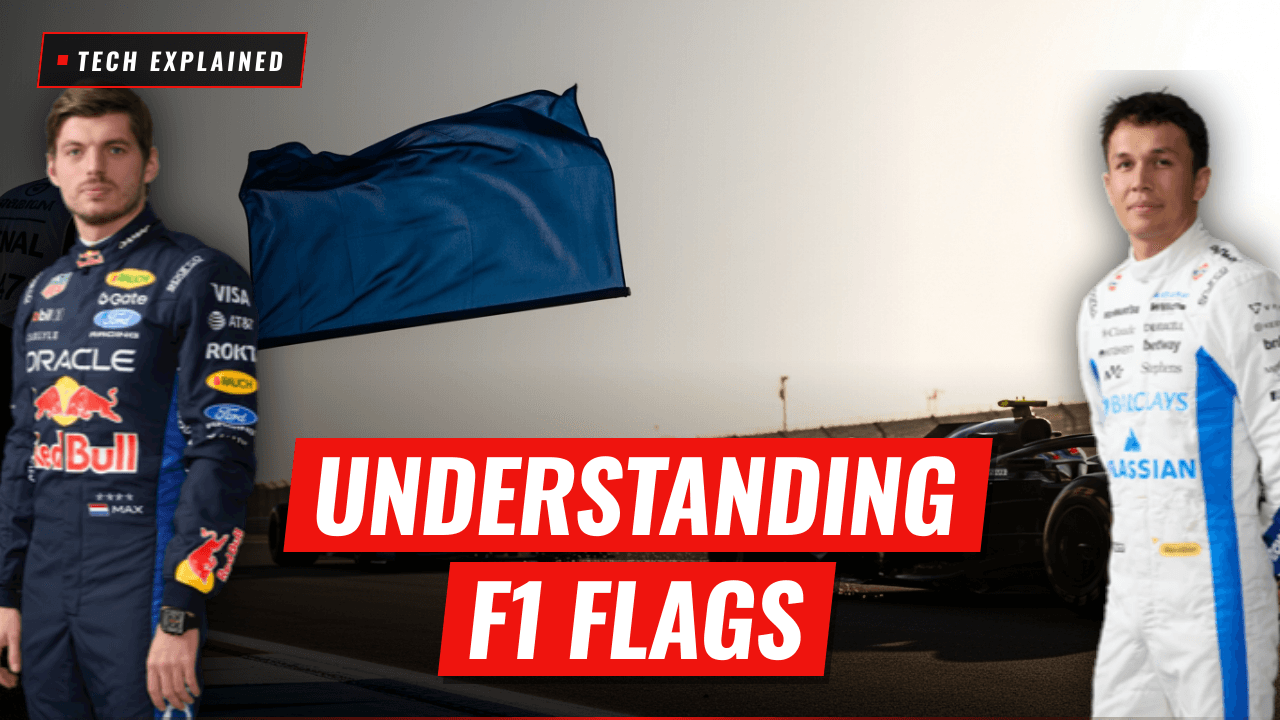
- Blue Flag: The polite request for traffic to move. This tells a driver that a faster car is approaching from behind and is about to lap them. The slower driver is required to let the leader pass at the earliest opportunity.
- Green Flag: The "all clear." This signals that the track is safe, and racing can resume at full speed.
A Lesson in Traffic: The 2026 Reality
In the current 2026 season, the new aerodynamic regulations have created tighter, more agile cars, but the performance delta between the front-runners and the back of the pack remains a reality. Managing "lapped traffic" is a high-pressure scenario that fans will see play out almost every Sunday.
Imagine this: Max Verstappen, fighting for the lead of the Grand Prix, approaches the Haas of Oliver Bearman or the Williams of Alexander Albon. Because the leading cars are significantly faster on the straights, Verstappen will quickly close the gap.
As he approaches, the marshals will wave the blue flag at the backmarker. According to the sporting regulations, the slower driver has three marshal sectors to find a safe place to let the leader pass without compromising their own race unnecessarily. If a driver like Bearman or Albon ignores these flags and continues to defend their position, they risk a time penalty for interfering with the leaders' race.
For the new fan, watching how a driver handles the blue flag is a subtle window into their racing maturity. It’s a moment where a simple piece of colored fabric dictates the flow of the entire Championship.
Learning the flags doesn't just make you a more informed viewer; it helps you anticipate the unfolding strategy before the commentators even mention it. If you want to put your new knowledge to the test and see how these dynamics might affect the upcoming race, take a look at our latest race predictions.