BREAKING: Red Bull Abandons 'Rotating' Rear Wing; Grid Penalties Hit Belgian GP
SPA-FRANCORCHAMPS — In a major technical pivot that has sent shockwaves through the paddock, Red Bull Racing has officially confirmed it is abandoning its experimental "rotating" rear-wing specification effective immediately for the remainder of the Belgian Grand Prix weekend.
The team has reverted to its previous rear-wing configuration following a comprehensive internal review of recent high-speed crashes involving Max Verstappen. The decision marks the end of a controversial development program that sought to maximize aerodynamic efficiency but has instead been identified as the primary cause of sudden instability at high speeds.
Safety Over Performance
Red Bull Racing engineers determined that the risk profile of the new component exceeded acceptable safety margins. While the "rotating" wing concept was intended to unlock significant lap time, data from the recent incidents suggests the mechanism failed to maintain consistent airflow attachment during cornering, leading to the unpredictable handling that caused Verstappen’s recent off-track excursions.
By reverting to the previous, proven rear-wing specification, the team aims to restore reliability and driver confidence on a circuit as punishing and high-speed as Spa-Francorchamps. The move is a significant setback for the team's development trajectory, effectively forcing them to restart their aerodynamic optimization path for the latter half of the season.
PU Penalties for Hadjar and Norris
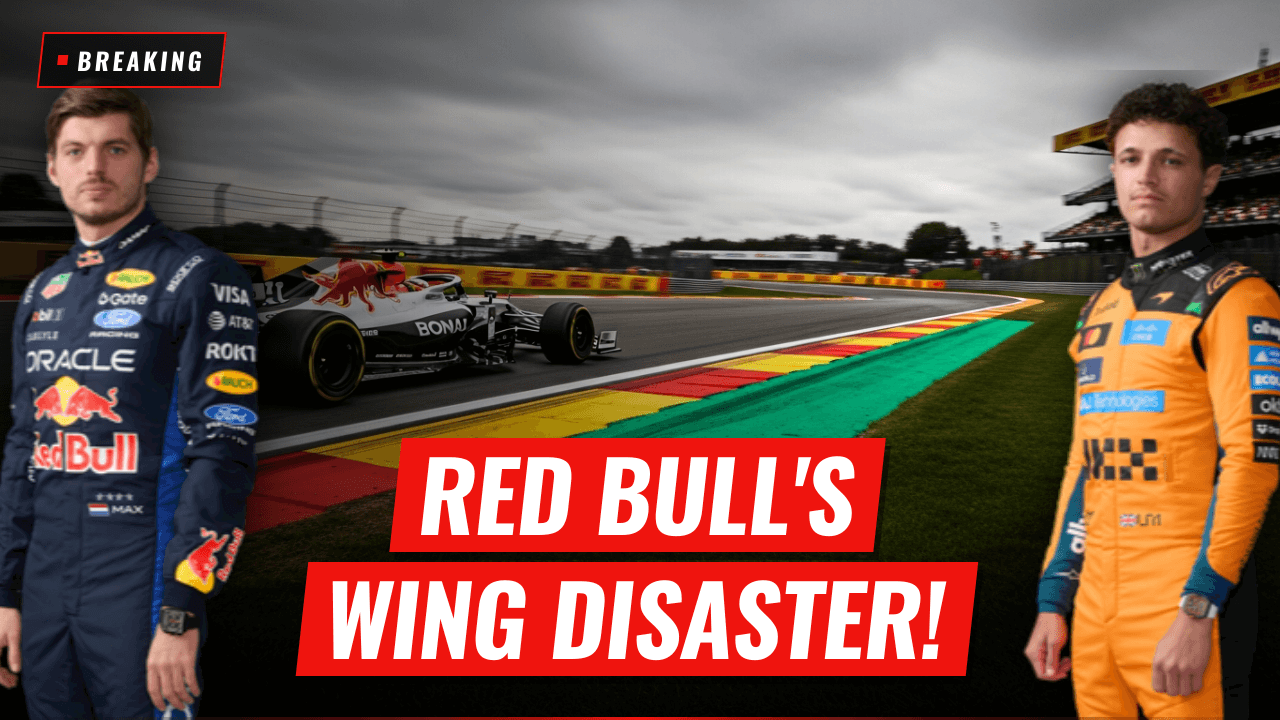
The technical turbulence at Red Bull is compounded by broader grid volatility heading into Sunday’s race. The FIA has confirmed that both Red Bull’s Isack Hadjar and McLaren’s Lando Norris will serve grid penalties for the Belgian Grand Prix.
Both drivers have exceeded their allocated pool of power unit components. Under 2026 regulations, these unplanned changes to the internal combustion engine and energy recovery systems will necessitate a drop down the starting order.
For Lando Norris, the penalty comes at a critical juncture as the McLaren driver attempts to close the gap in the championship standings. For Isack Hadjar, the grid drop adds another layer of complexity to a weekend already defined by his team's emergency aerodynamic changes.
The Impact on the Belgian GP
The combination of Red Bull’s hardware reversion and the confirmed grid penalties for two major contenders dramatically alters the competitive landscape for this weekend. Without the intended performance gains from the new wing, Max Verstappen will need to rely on the mechanical grip and engine efficiency of the previous-spec car, which has historically performed well at Spa but may struggle against the current pace set by the field leaders.
As the paddock digests these developments, the focus now shifts to the track. With telemetry data from the upcoming sessions sure to be scrutinized by both the teams and the FIA, the performance gap between the top constructors is poised to tighten further.
Will the reversion to the old specification stabilize Red Bull's performance, or will the loss of the experimental advantage allow their rivals to pull ahead? See how the grid stacks up for Sunday's race by viewing our latest data-driven qualifying simulations and race pace projections.