FIA Tightens 'Active Aero' Monitoring Protocols Effective Immediately
The FIA has officially issued a new Technical Directive (TD028-26) aimed at standardizing and tightening the monitoring protocols for active aerodynamic systems and energy deployment, effective starting with the upcoming race weekend. This development marks a significant shift in the operational landscape for the remainder of the 2026 season, as the sport moves into the high-intensity flyaway portion of the calendar.
The Facts of the Directive
Following a review of data gathered during the first 11 rounds of the 2026 championship—a period characterized by unprecedented technical complexity—the FIA’s technical department has introduced a stricter digital compliance protocol for the "Active Aero" and "Boost" systems.
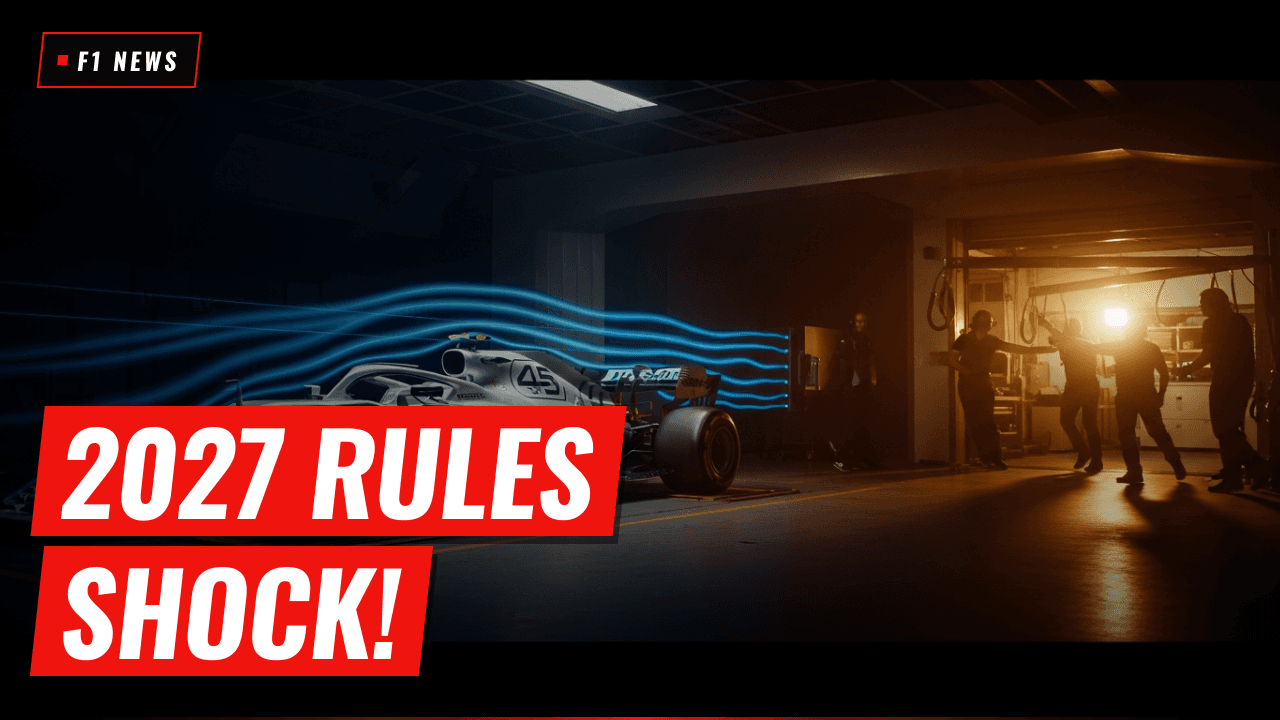
Under the 2026 regulations, cars are equipped with dynamic front and rear wing adjustments, alongside complex hybrid power unit (PU) energy management strategies. The new directive requires all teams to submit real-time encrypted telemetry for these systems directly to a centralized FIA server with reduced latency. While the physical hardware of the cars remains unchanged, the FIA is mandating a synchronization update to the Electronic Control Unit (ECU) software.
The directive specifically targets:
- System Latency: Reducing the allowable "response time" for active aero deployment, ensuring consistency across the grid.
- Energy Deployment: Enhanced transparency in "Boost" mode activation logging, preventing teams from exploiting potential loopholes in energy recovery and deployment cycles during corner exit and straight-line acceleration.
- Compliance Verification: New automated flags will be introduced to trigger immediate race control alerts if a car's wing angles or MGU-K power delivery deviate from the homologated software maps during a race.
Why It Matters
This intervention is largely viewed as a response to the intensifying battle at the front of the grid. With Kimi ANTONELLI currently leading the Drivers' Championship for Mercedes and Red Bull Racing aggressively pursuing performance gains with the returning Adrian Newey and their new PU architecture, the margins for error—and the temptation to find gray-area advantages—have never been higher.
The 2026 regulations have placed a massive burden on drivers, who are now juggling energy management alongside traditional racing. By tightening these monitoring protocols, the FIA aims to ensure that the "mental endurance" required to pilot these cars does not become secondary to the teams' ability to push software boundaries. Ensuring that every team is playing from the exact same digital rulebook is essential to maintaining the integrity of a championship that has seen Mercedes and Red Bull locked in a strategic and technical stalemate.
Broader Context for the Season
This move comes at a critical juncture in the 2026 calendar. With the championship entering its final phase, the pressure to extract maximum performance from the complex hybrid power units is reaching a fever pitch. Teams that have struggled to balance the 50/50 split between internal combustion and electric power are now under even greater scrutiny.
For the mechanics and engineers in the paddock, this TD represents a significant operational challenge. Teams will be required to update their software configurations before the cars hit the track for the next round. While the FIA has stated this is a "procedural clarification" rather than a fundamental rule change, the timing suggests a desire to avoid any controversy regarding legality as the title race tightens between Mercedes, Red Bull, and the chasing Ferrari contingent.
The battle for the 2026 title is set to be decided not just by raw speed, but by who can master the most complex technical regulations in the sport's history without tripping over the FIA's digital guardrails.
As we look toward the final races, the question remains: which team will adapt best to this increased scrutiny? For the latest analysis and data-driven insights on how these regulation changes might influence the upcoming weekend, check out our latest race predictions.