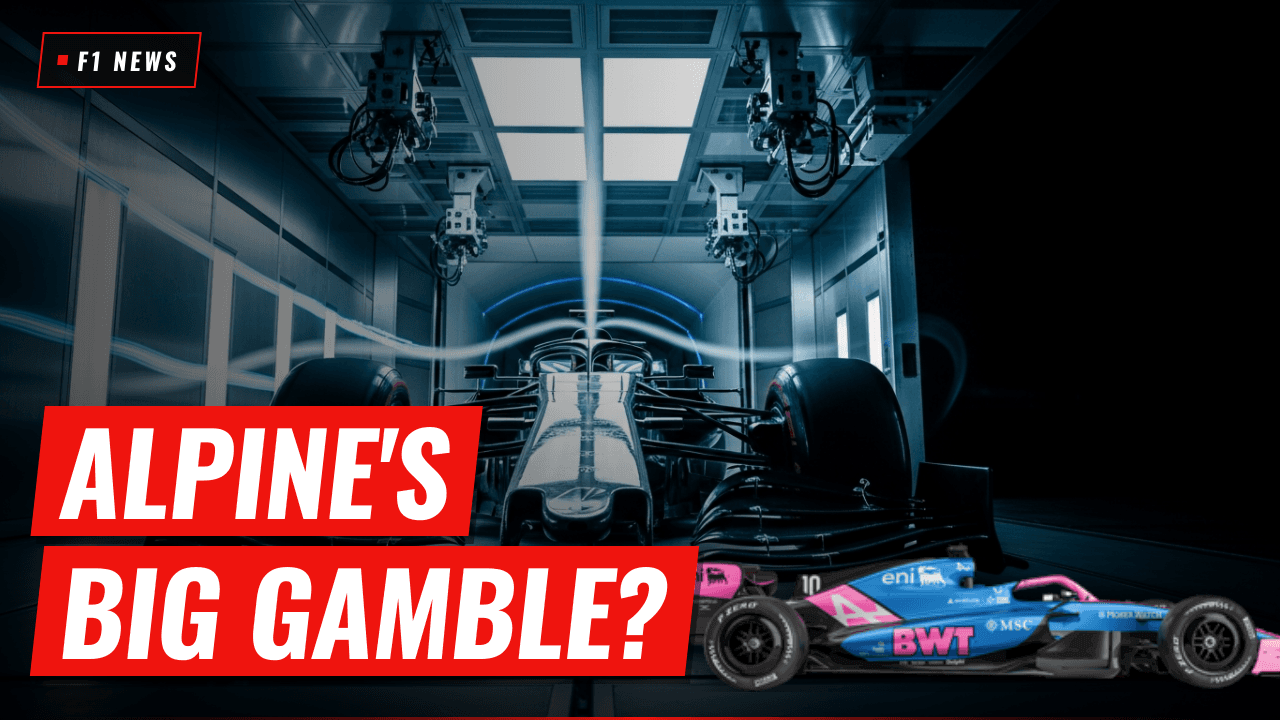
In a significant move aimed at accelerating their competitive trajectory, the Alpine Formula 1 Team has officially announced the completion and immediate integration of its new, state-of-the-art wind tunnel facility at their Enstone headquarters. This development, confirmed by the team earlier this morning, marks a pivotal investment in the Enstone-based outfit’s technical infrastructure, designed to optimize aerodynamic development for the remainder of the 2026 campaign and the upcoming 2027 season.
The new facility—which has been under construction for the past eighteen months—is reported to feature the latest in high-fidelity airflow simulation and data-capture technology. By bringing testing cycles in-house with significantly enhanced precision, the team expects to shave valuable time off its aerodynamic development loops, a critical factor in the hyper-competitive 2026 grid.
Why This Matters for Alpine
The 2026 season has been defined by a relentless development war, where the difference between midfield contention and slipping down the order is measured in mere milliseconds. Alpine, currently holding 5th in the Constructors' Championship with 60 points, has faced a challenging fight to maintain consistency against direct rivals.
Team Principal statements suggest that the primary goal of this upgrade is to improve the correlation between simulation data and track performance—a recurring struggle that has hindered teams across the grid this season. By reducing the reliance on third-party facilities or older, less efficient testing methods, Alpine intends to accelerate its upgrade delivery cadence. With the A526 chassis showing flashes of potential, the team believes this infrastructure boost will provide the stability needed to solidify their position in the top half of the midfield.
A Focus on Long-Term Gains
While the facility is fully operational as of today, July 18, 2026, the team emphasized that the immediate impact will be focused on "fine-tuning" the current car’s efficiency for the final stages of the European leg of the calendar. However, the true strategic value of the project lies in the 2027 car design cycle, which is currently entering its most intensive phase.
"This is not a quick fix, but a cornerstone of our long-term strategy," an Alpine spokesperson noted in the official release. "The integration of this tunnel allows our engineers to explore a wider range of aerodynamic concepts with greater confidence in the validity of the data."
Context in a Tight Midfield
Alpine's investment arrives at a critical juncture for the team, which currently sits ahead of rivals in a tight Constructors' battle. With the 2026 technical regulations rewarding teams that can find efficiency within the cost cap—as highlighted by the extensive upgrade programs seen across the paddock this summer—Alpine’s decision to prioritize physical infrastructure serves as a clear signal of their intent to remain a key player in the development race.
As the grid moves into the next phase of the 2026 season, the focus will now shift to how quickly Alpine’s engineering department can translate this new testing capacity into on-track performance. The paddock will be watching closely to see if this Enstone upgrade provides the edge necessary to elevate their standing as the season reaches its final, decisive rounds.
For in-depth analysis on how this development might influence the upcoming race weekends and the tightening Constructors' battle, check out our latest data-driven projections on F1 Predictions.