In a move aimed at modernizing governance and reducing the potential for political pressure on official decision-making, the FIA officially announced today a major overhaul of the communication protocols between Formula 1 team principals and Race Control. Effective immediately, the practice of direct voice-radio communication between team leadership and the Race Director during active track sessions will be prohibited.
Starting with the next round of the 2026 championship, the FIA is transitioning to a "Closed-Loop Digital Channel" (CLDC) for all non-emergency team inquiries. This new, mandatory interface replaces the traditional, open-radio lobbyist approach that has periodically drawn criticism since the late 2021 season.
The Facts of the Protocol Change
Under the new technical directive issued by the FIA this morning, all team principals and authorized sporting directors will no longer have a dedicated radio frequency to voice concerns or lobby Race Control. Instead, teams must utilize a standardized, digital-only messaging system.
Key features of the mandatory protocol include:
- Asynchronous Communication: All inquiries must be submitted through the secure digital dashboard. Race Control will review and respond to these requests at the earliest opportunity, rather than engaging in real-time debate during safety car periods or red flag situations.
- Transparency Auditing: Every message sent and received via the CLDC will be time-stamped and archived. Crucially, these logs will be made available to the FIA stewards and, following a post-race cooldown period, to independent regulatory observers to ensure procedural consistency.
- Emergency Overrides: The only exceptions to this rule are direct, safety-critical communications initiated by the Race Director or mandated by safety protocols, such as imminent track-clearing instructions or warnings of urgent, life-threatening hazards.
"This transition is about restoring the integrity of the officiating process," said an FIA spokesperson in a brief press statement accompanying the directive. "By moving to a logged, digital system, we remove the element of immediate, high-pressure lobbying while ensuring that teams retain their right to seek clarification on sporting decisions."
Why It Matters
The decision comes at a pivotal point in the 2026 season. With the championship battle entering its most intense phase, tensions between teams and the regulatory body have been heightened by the complexities of the new technical regulations. Throughout the first half of the year, several high-profile incidents led to accusations of inconsistent stewarding, with team principals often using their radio access to petition the Race Director in the heat of the moment.
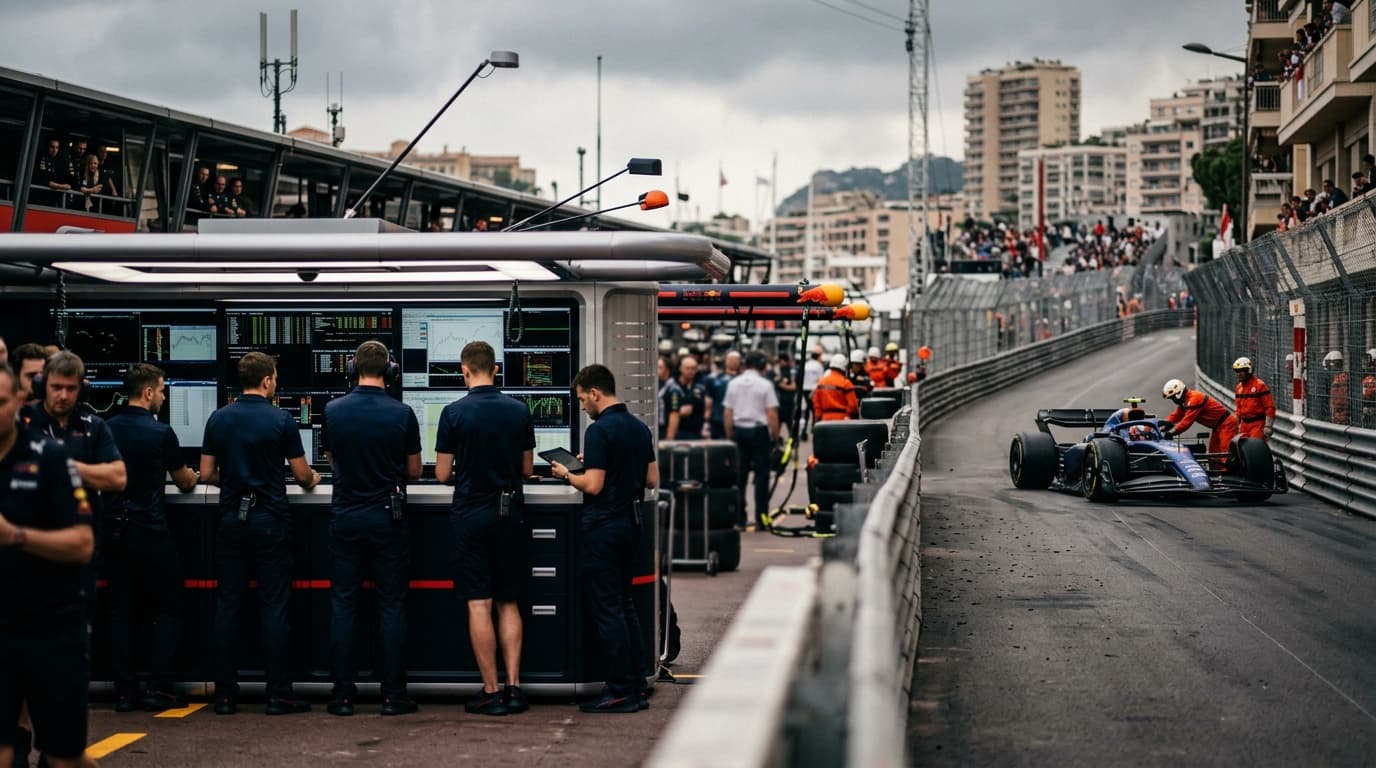
By shifting to an asynchronous, digital system, the FIA is effectively attempting to "cool" the environment of the pit wall. The move is designed to empower the Race Director to focus entirely on on-track operations—such as race starts, safety car deployment, and track-clearing—without the distraction of competing voices lobbying for favorable interpretations of the rulebook.
Broader Context for the 2026 Season
This announcement follows a turbulent period for the sport, as stakeholders navigate the logistical and technical adjustments required by the 2026 regulation overhaul. Drivers, team principals, and fans have been vocal about the evolving nature of the sport, particularly concerning energy management, the complexity of the new hybrid power units, and the overall "computerization" of racing outcomes.
While the new communication protocol does not change the core technical rules, it signals the FIA's commitment to ensuring that the sport’s regulatory governance keeps pace with the modern era. As the grid prepares for the remainder of the season, the focus will now shift to how teams adapt to this new, formal, and significantly more transparent method of interacting with the sport's governing body.
Whether this change will ultimately satisfy those calling for greater consistency in stewarding remains to be seen, but the intent—a cleaner, more administrative, and less reactive process—is clear.
As the paddock digests this regulatory shift, the focus returns to the track and the upcoming battle for championship points. For a detailed breakdown of how these changes and the current field performance might impact the next race, you can view our latest race predictions.