Stellantis Confirms Factory Exit from WEC and Formula E.
Nov 25, 2026 · 2 min read · By F1 Predictions
The automotive group is ending its factory programs in the World Endurance Championship and Formula E to pivot resources toward road car development.
Article
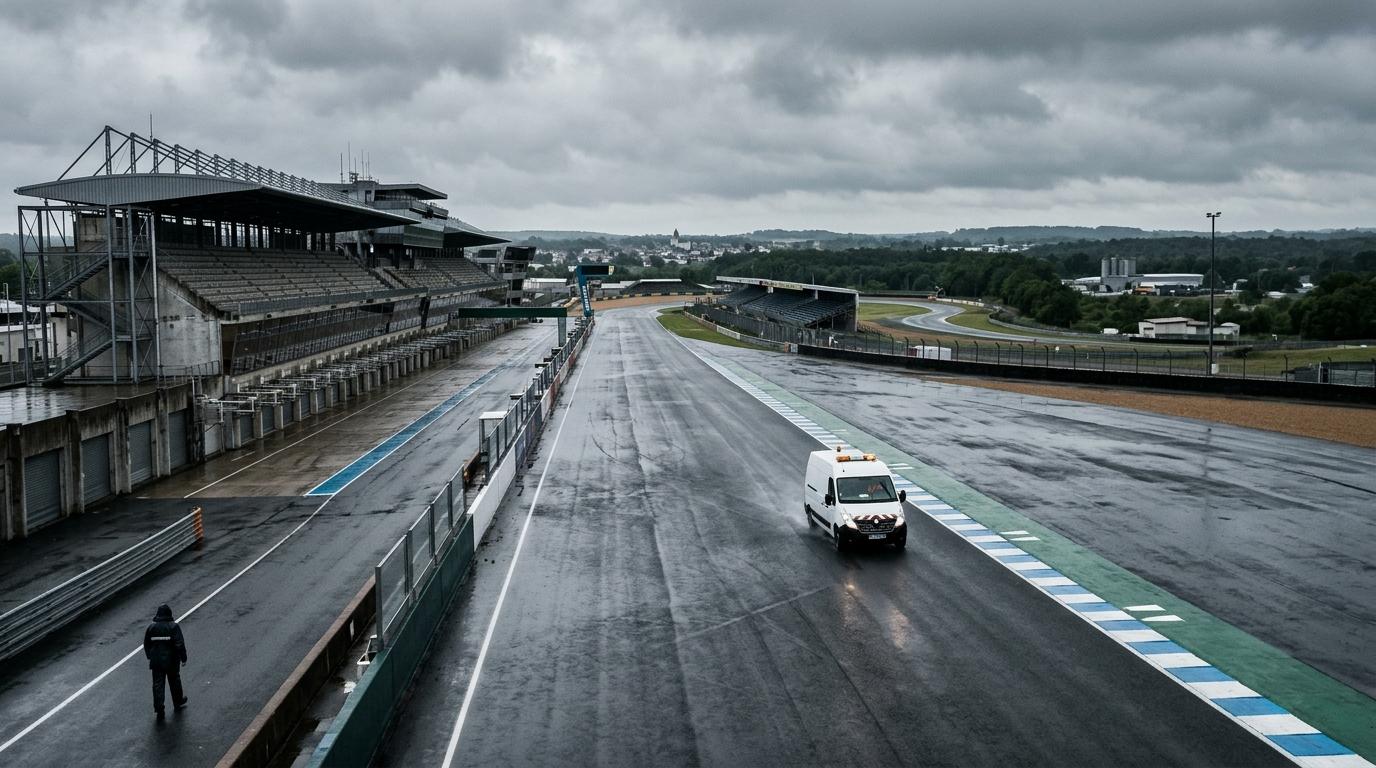
Automotive giant Stellantis has officially confirmed a sweeping withdrawal from factory-level FIA World Championship motorsport, announcing the termination of its works programs in both the World Endurance Championship (WEC) and Formula E.
The group confirmed the decision is a cornerstone of its wider FaSTLAne 2030 strategic plan, designed to reallocate engineering resources, capital, and technical personnel away from top-tier manufacturer motorsport and toward road car development and customer racing.
The Confirmed Timelines: Immediate WEC Departure, Formula E in 2027
According to the official announcement released by Stellantis, the timeline for winding down its factory commitments spans two distinct phases:
- World Endurance Championship: The Peugeot 9X8 Hypercar factory program concludes with immediate effect following the conclusion of the 2026 season. Stellantis chose not to register Peugeot for the 2027 WEC championship ahead of the November 23 entry deadline, formally ending its factory tenure in endurance racing's premier class.
- Formula E: Stellantis will contest one final campaign across the upcoming Season 13, concluding in July 2027. That farewell season will feature operations under both the Citroën and Opel banners, fulfilling existing commitments for the maiden Gen4 campaign before executing a complete factory withdrawal.
- Customer Racing Pivot: Factory funding will pivot exclusively to customer-based categories. Stellantis stated that customer rally operations, including the Lancia Corse HF effort in WRC2 and regional electric rally cups, will remain active alongside high-performance road car programs across brands such as Alfa Romeo, Maserati, and Peugeot.
Stellantis stated that it intends to retain and redeploy personnel affected by the closure of the factory programs across its broader automotive and engineering divisions.
Why the Decision Matters
The sudden exit delivers a major disruption to the international motorsport landscape. In endurance racing, Peugeot's departure leaves the Hypercar grid without one of its foundation French manufacturers, concluding a program that debuted in 2022.
In Formula E, the departure of both Citroën and Opel after Season 13 threatens to reduce the grid from 24 to 20 cars unless independent outfits or prospective new manufacturers take over the vacated powertrain supply slots. It also casts uncertainty over the futures of prominent factory drivers under contract across both series, including former FIA Formula 2 champion Théo Pourchaire and seasoned race winners Mitch Evans and Nick Cassidy.
The decision sharply highlights the divergence between standalone manufacturer programs and the commercial framework of Formula 1. While Formula 1 operates under a strict cost cap and a closed-franchise system that has driven team values to record heights—attracting works commitments from the likes of Audi and Cadillac for 2026—traditional OEM-funded programs in open-competition categories face direct exposure when corporate cost-reduction mandates take hold.
What Happens Next
With the 2026 WEC season already wrapped up, Peugeot's Hypercar division will not feature on the provisional 2027 entry list set to be reviewed by the FIA. Operational focus within Stellantis Motorsport will now narrow to executing its final season in Formula E through mid-2027, while negotiations continue regarding the financial parameters of its early exit from the electric series.
As top-level motorsport digests Stellantis' strategic departure, all eyes return to the track as the 2026 Formula 1 championship heads into its decisive double-header rounds. Stay tuned to our latest race predictions for in-depth data analysis and form guides ahead of the next Grand Prix.
Reader
Your next move
Sources
Related
PreviewNov 25, 20264 MIN
Qatar GP Preview: Antonelli Tipped for Milestone Tenth Win
BreakingNov 26, 20263 MIN
Williams and Alpine Hit by 2025 FIA Cost Cap Breaches
BreakingNov 25, 20262 MIN
Haas Confirms Rafael Câmara for Final Two 2026 Grands Prix
BreakingSep 3, 20263 MIN
Lando Norris Launches LN4 Fusion Junior Racing Team
BreakingJul 13, 20263 MIN
Nigeria Launches Official $500M Bid to Host Formula 1 Grand Prix
NewsJul 9, 20263 MIN
F1 Confirms Major Expansion of Sprint Format for 2027 Season
Comments
- No comments yet. Be the first.