FIA Formalizes Telemetry Protocols for 2026 Power Unit Energy Management
The FIA has officially confirmed the implementation of revised telemetry reporting requirements for all Power Unit (PU) manufacturers, effective immediately for the remainder of the 2026 Formula 1 World Championship. This regulatory adjustment aims to standardize the data streams submitted to the FIA’s technical department, ensuring consistent monitoring of the complex energy deployment strategies that have defined the first nine rounds of the season.
Regulatory Clarification
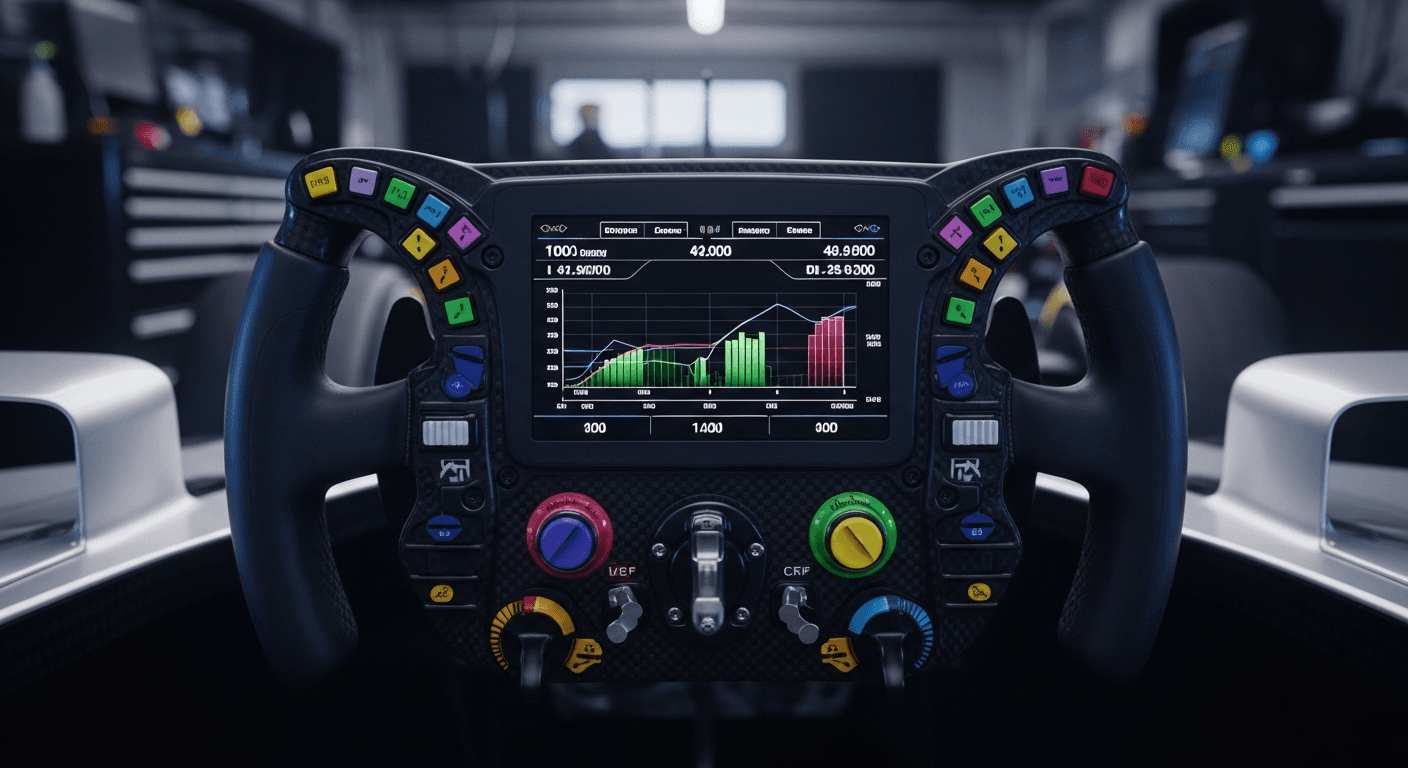
The directive, issued earlier today, mandates that teams provide high-frequency telemetry data specifically related to the "Boost Mode" deployment and the recovery rate of the MGU-K during partial-throttle applications. While the 2026 technical regulations already governed these parameters, the new update formalizes the reporting frequency, requiring teams to upload real-time "Energy Strategy Logs" directly to the FIA’s cloud-based scrutineering servers every five laps.
This change is not a alteration of the performance rules themselves, but rather an administrative upgrade to the oversight framework. It ensures that race control and the FIA technical delegate can monitor energy consumption patterns with granular precision, particularly during the critical closing stages of a Grand Prix where battery deployment strategies have become a decisive differentiator.
Impact on Competitive Strategy
For the teams currently locked in the midfield and title battles, this requirement adds a layer of operational complexity to the pit wall. With the top teams separated by significant margins in the Constructors' Championship—Mercedes leading with 333 points compared to the 255 points held by the second-placed manufacturer—the ability to optimize energy deployment without triggering unintentional technical infringements has become paramount.
Engineers are now tasked with ensuring that their onboard software management systems are fully calibrated to the FIA's new high-frequency reporting standards. Any discrepancy between the energy state reported to the FIA and the actual deployment levels observed on the car could now result in instantaneous data-driven penalties, shifting the onus of compliance from post-race auditing to real-time transparency.
Context for the Second Half of 2026
This development comes as the paddock assesses the performance trends of the new 2026 regulations, which have fundamentally altered the balance between internal combustion and electrical power. As teams look to maximize their packages for the second half of the calendar, the reliability and efficiency of their hybrid systems remain the primary variables in their development curve.
The move by the governing body reflects a broader shift toward proactive data transparency. By moving to standardized, high-frequency reporting, the FIA aims to eliminate the ambiguity that has fueled debates regarding energy harvesting and deployment loops in the season’s opening races.
As we move toward the next round, the focus will shift to how quickly teams can integrate these mandatory reporting protocols into their race-day software. Teams that can adapt their telemetry pipelines without compromising their primary power unit mappings are expected to hold a distinct advantage.
For a deeper look at how these technical nuances influence individual race outcomes, explore our latest race-by-race simulations and data-driven projections on the F1 Predictions dashboard.