Imagine tuning into Saturday qualifying, watching a driver pull off a masterclass lap to secure a brilliant third-place grid slot, only to find them buried deep in the midfield when the lights go out on Sunday. For newer fans, this sudden shift can be baffling. The culprit? Formula 1 grid penalties.
Understanding how and why drivers are demoted before the race even starts is essential for making sense of a Grand Prix weekend.
What Are Grid Penalties?
At its core, a grid penalty is a demotion that forces a driver to start a Grand Prix further back than the position they earned in qualifying. These penalties are handed down by race stewards for two primary reasons: sporting infractions committed on track, or technical overages stemming from a team exceeding its season allowance of car parts.
Why Do They Matter?
Formula 1 is as much an engineering marathon as it is a test of driver skill. To manage costs and ensure a level playing field, the sport enforces strict limits on how many major mechanical components a team can use per car over the course of a long championship.
For fans following race strategy, grid penalties completely upend expectations. A team might possess the raw race pace to fight for a podium—much like Max Verstappen trying to maximize Red Bull's potential, or Charles Leclerc chasing crucial points for Ferrari—but a sudden mechanical penalty can force them into a high-stakes recovery drive through the field.
How It Works
The penalty system breaks down into two distinct categories:
- Sporting Penalties: These are handed down for on-track misdemeanors. If a driver impedes an opponent during qualifying or ignores yellow flags, stewards typically dock them a set number of grid places (usually three positions).
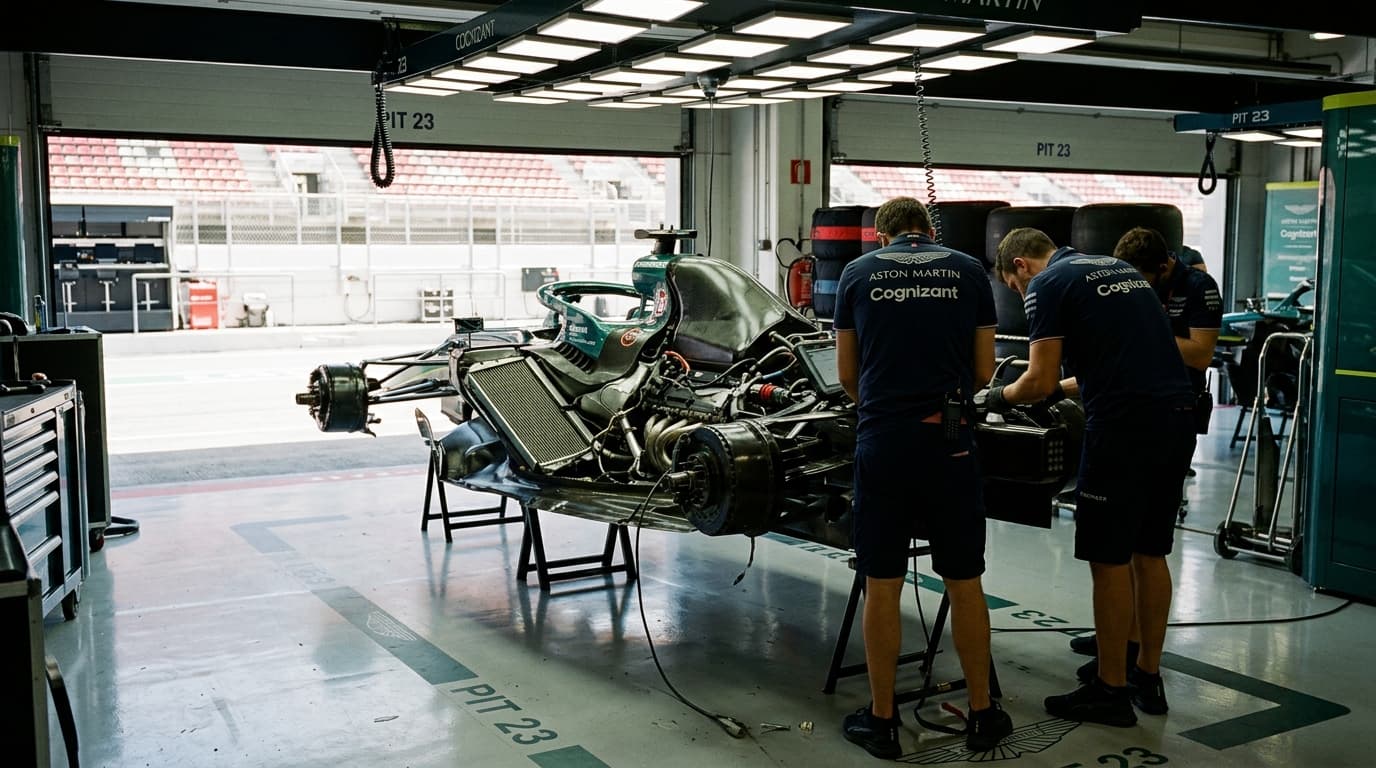
- Technical Component Penalties: Every car is allocated a fixed number of power unit elements for an entire season, including the Internal Combustion Engine (ICE), turbocharger, energy store, and control electronics.
When a car exceeds its limit—often due to reliability failures, crashes, or general wear and tear—penalties kick in. The first time a driver introduces an unauthorized extra component, they receive a 10-place grid drop. Subsequent changes to that same component type typically carry a 5-place drop. If a driver accumulates a total of 15 or more cumulative grid penalties over a single weekend, they are automatically sent to the back of the starting grid.
A Current-Season Example
As the Formula 1 season progresses past the summer break, component management becomes a make-or-break factor. With teams pushing the boundaries of the complex power unit regulations—which feature a heavily electrified power split and sustainable fuels—stress on mechanical parts reaches its peak.
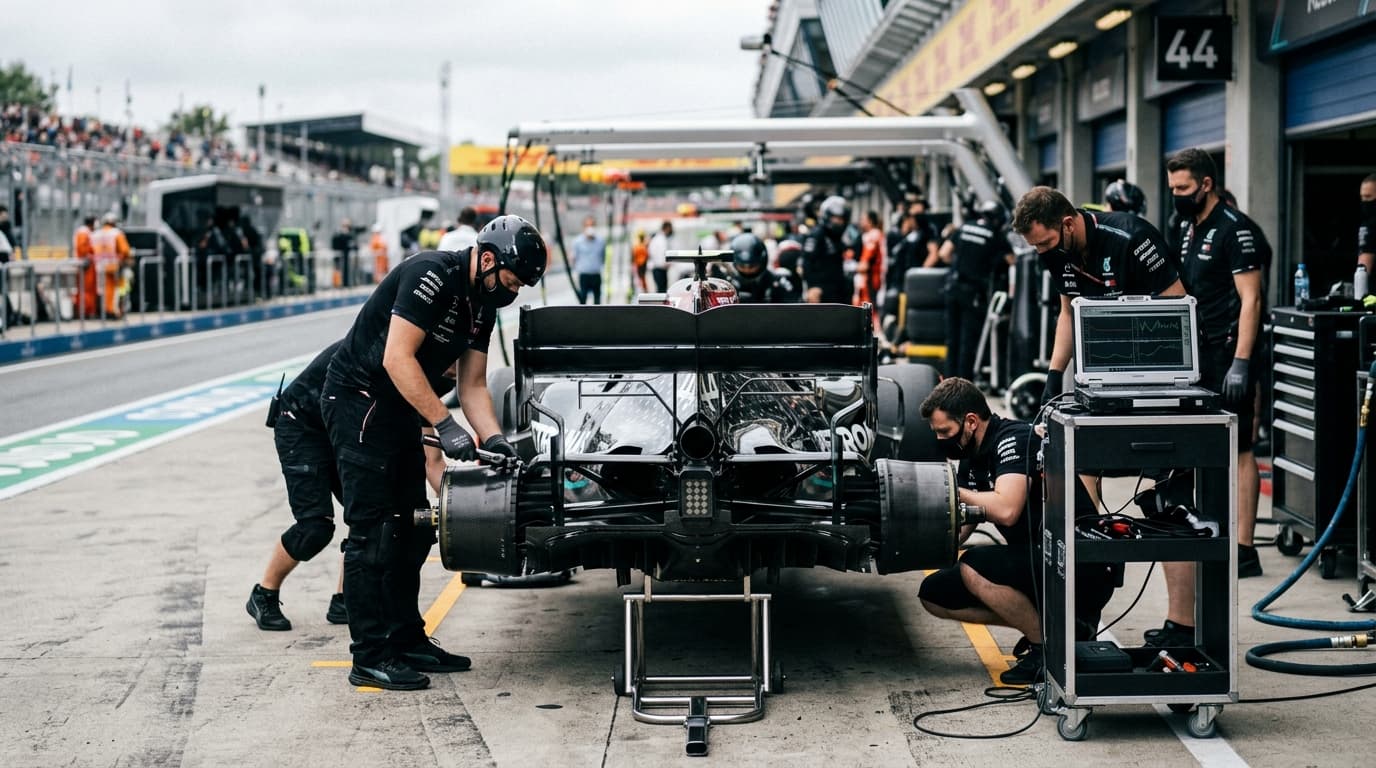
When front-running outfits like Mercedes or contenders like McLaren face unexpected reliability issues during practice, engineers face a tough choice. They must weigh the penalty: do they take a tactical engine change, accept a grid drop, and rely on their car's speed to carve through traffic on Sunday? These calculated gambles are precisely why monitoring practice sessions and component pools is so crucial.
Grid penalties might seem punishing at first glance, but they add an incredible layer of tactical depth to Grand Prix weekends, turning a straightforward race into a thrilling test of damage limitation and recovery.
Want to see how mechanical trends and potential grid shifts impact the grid? Check out our latest race predictions.