BREAKING: Adrian Newey Admits to Development Failures at Aston Martin
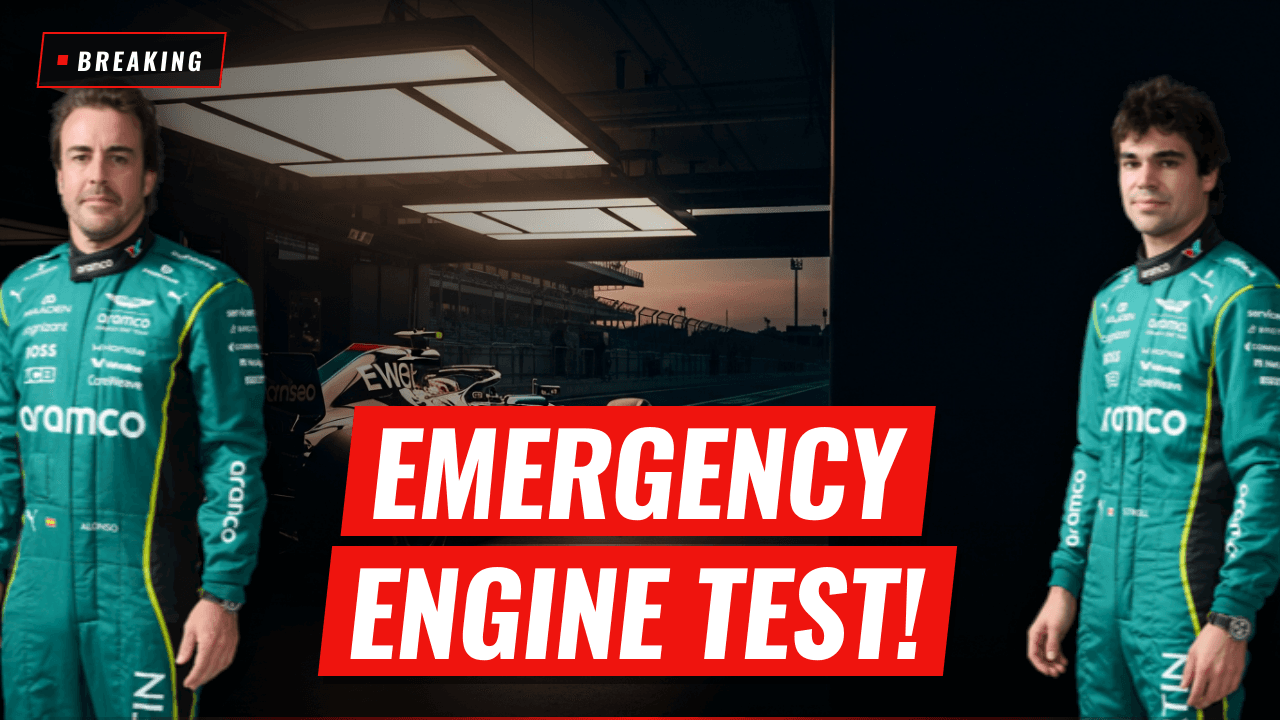
In a stunning admission that has sent shockwaves through the Formula 1 paddock, Aston Martin team principal Adrian Newey has officially acknowledged significant failures in the development of the team’s 2026 challenger. Following the conclusion of the first nine rounds of the season, the team finds itself in the uncomfortable position of fielding the slowest car on the grid, prompting a rare and candid assessment of internal management.
A Fundamental Breakdown in Process
Speaking to the media ahead of the upcoming race weekend, Newey addressed the stark performance deficit that has plagued drivers Fernando Alonso and Lance Stroll throughout the 2026 campaign. The Aston Martin team principal conceded that the project suffered from a critical oversight: a failure to properly integrate driver feedback during the developmental phase of the vehicle.
According to Newey, the technical team at Aston Martin prioritized simulation and theoretical data models to such an extent that the practical, real-world input of the drivers was sidelined. This disconnect resulted in a car that lacks the handling characteristics required for the current field, rendering both Alonso and Stroll unable to compete with the midfield, let alone the frontrunners.
Furthermore, Newey cited strategic delays regarding the introduction of critical upgrades as a primary contributor to their current standing. While rivals have successfully brought performance-enhancing packages to the track, Aston Martin’s failure to deliver timely components has solidified their position at the back of the order, effectively compromising the team's competitiveness for the first half of the season.
Immediate Consequences and Team Morale
The admission is a severe blow to a team that entered the 2026 season with high aspirations. For veterans like Fernando Alonso, whose career is defined by extracting maximum performance from suboptimal equipment, this season has proven to be a difficult test of patience. The lack of correlation between the team’s wind tunnel data and the car’s actual performance on track has created a volatile atmosphere within the garage.
Newey is now tasked with the difficult job of damage control. Internally, the primary objective is to stabilize relations between the engineering department and the driver lineup. Restoring trust after a breakdown in communication of this magnitude is essential if Aston Martin hopes to claw back any performance before the season concludes.
What Happens Next: The Recovery Roadmap
The focus for Aston Martin now shifts from "development" to "salvage." Newey confirmed that the team is currently conducting a full audit of their design and decision-making processes. This includes an immediate re-evaluation of how driver feedback is funneled into the upgrade cycle to ensure that future iterations of the car address the actual, rather than the theoretical, limitations faced by the drivers.
While a total turnaround in the current season is mathematically challenging, the priority is to establish a viable technical foundation for the remainder of the year and into the next. The paddock is watching closely to see if Newey’s direct intervention can rectify the management structure that led to this systemic failure.
As Aston Martin attempts to navigate this crisis, we are keeping a close watch on the performance trends. For a deeper look at how the rest of the field is stacking up and to see our latest analytical projections on whether a mid-season recovery is statistically possible, check out our latest race predictions and data-driven insights.