Cadillac Postpones In-House F1 Engine Debut to 2030.
20 de nov. de 2026 · 3 min de leitura · Por F1 Predictions
The American manufacturer will maintain its Ferrari power unit supply through 2029 to align its works entry with the sport's upcoming technical regulation shift.
Artigo
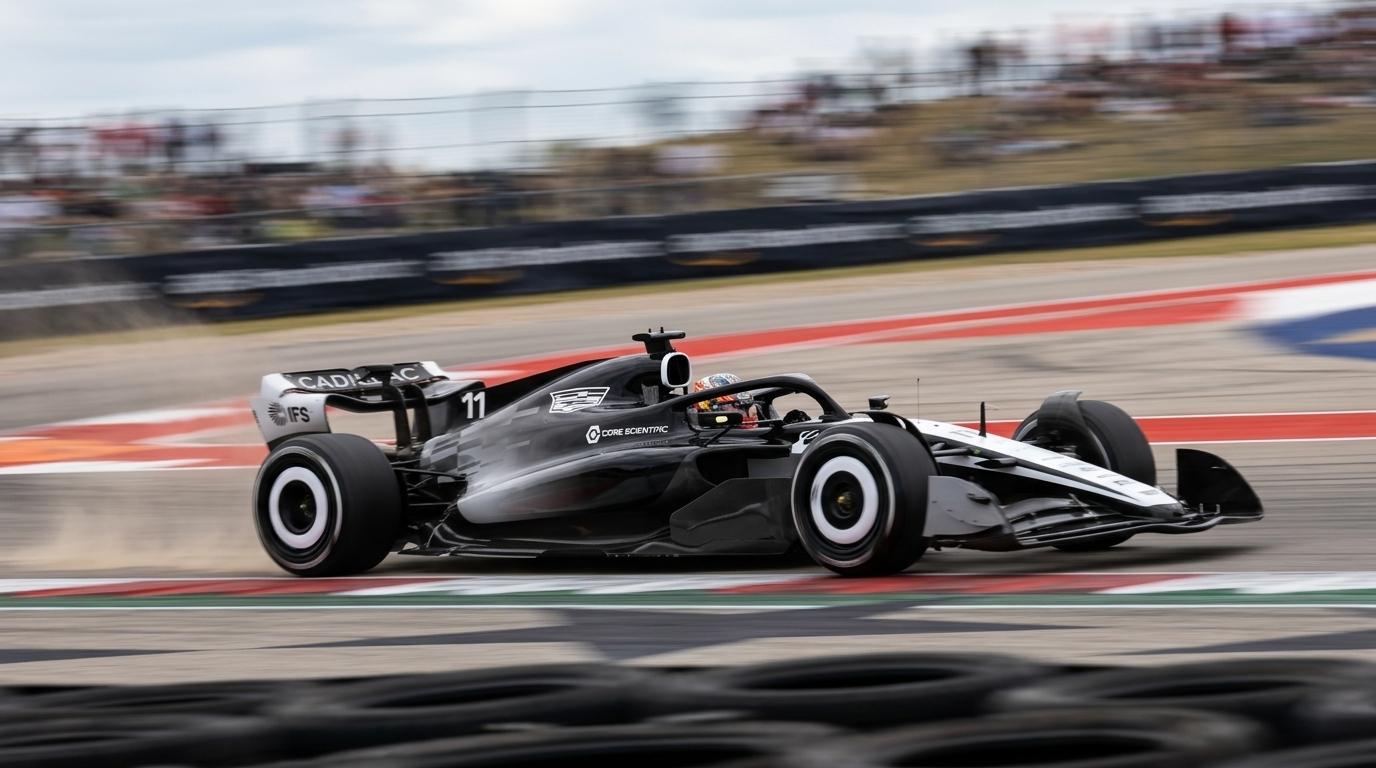
Cadillac Postpones In-House F1 Engine Debut to 2030, Extends Ferrari Partnership
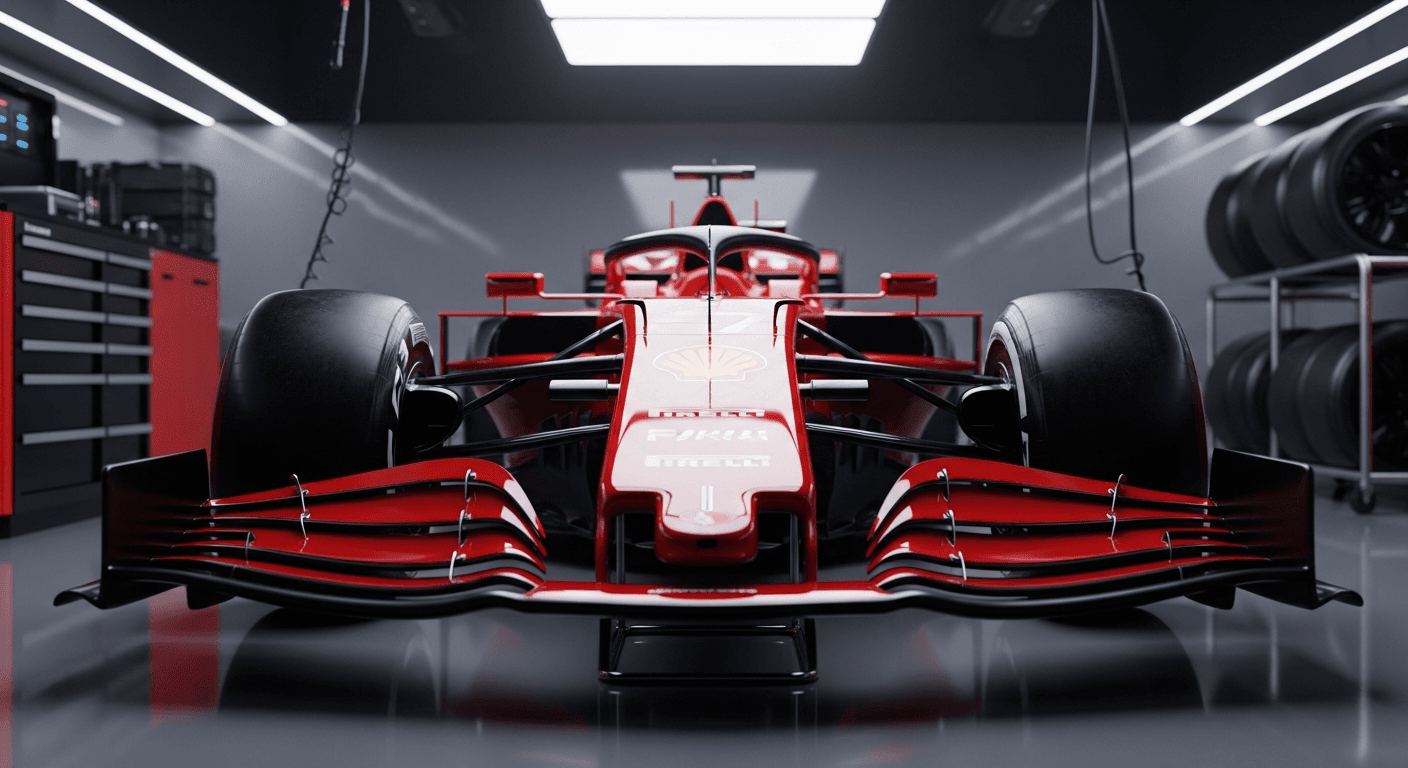
Cadillac Formula 1 Team has officially adjusted its long-term technical roadmap, delaying the debut of its in-house works power unit from 2029 to the 2030 season. Team CEO Dan Towriss confirmed the strategic shift during the Las Vegas Grand Prix weekend, verifying that the American constructor will extend its customer power unit arrangement with Ferrari through the end of 2029.
The realignment ensures that General Motors will now introduce its bespoke Formula 1 powertrain in tandem with the sport's planned regulatory shift toward next-generation engine architecture, rather than homologating a project for a single championship campaign.
Strategic Shift Toward 2030 Regulations
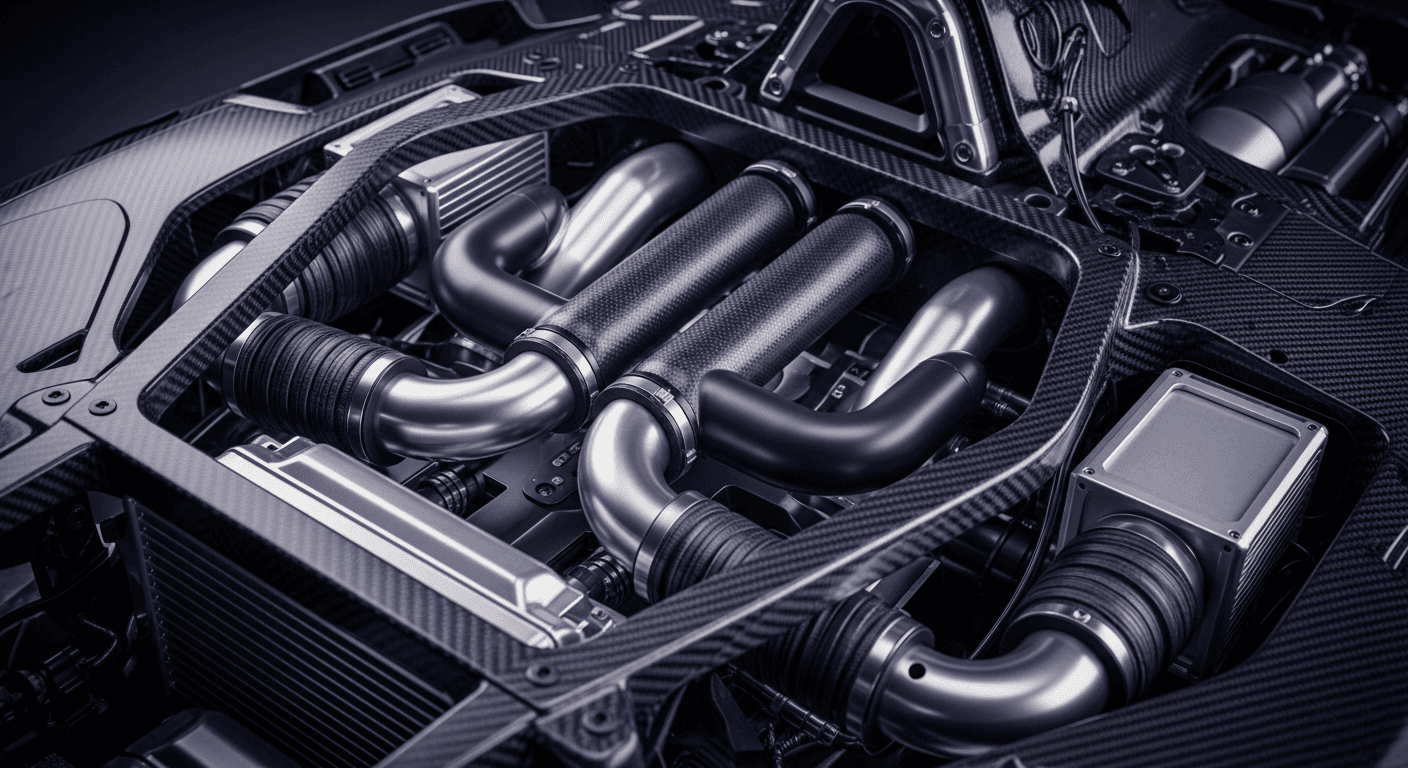
The decision stems directly from emerging discussions between the FIA, Formula 1, and the Power Unit Advisory Committee regarding future technical regulations. With the sport actively evaluating a transition toward 2.1-litre turbocharged V8 engines featuring simplified electrical architecture for 2030, building an independent 1.6-litre V6 turbo-hybrid specifically for 2029 became impractical.
The confirmation establishes clear parameters for Cadillac's powertrain timeline:
- Customer Extension: Cadillac will continue utilizing Ferrari customer power units through the conclusion of the 2029 season, adding a fourth year to their inaugural technical agreement.
- 2030 Works Entry: General Motors will synchronize its formal entry as a registered Formula 1 power unit manufacturer with the introduction of the new 2030 engine regulations.
- Program Pivot: Development resources at GM Performance Power Units will transition from finalizing a short-lived V6 platform to focusing on the upcoming V8 architecture.
Towriss stated that while development of internal combustion baseline models had progressed well, committing resources to race a proprietary V6 for just twelve months before a sweeping regulatory change was an inefficient use of resources.
Facility Timelines and Technical Logistics
GM Performance Power Units LLC, overseen by Russ O'Blenes, had originally targeted the 2029 campaign after securing formal manufacturer approval from the FIA. The program's primary technical center in Concord, North Carolina—representing a dedicated $155 million investment—remains scheduled to officially open on December 18, 2026.
While early single-cylinder and dyno testing in North Carolina had already commenced, Cadillac will leverage the data gathered to inform its development under the prospective 2030 rulebook. Bypassing full race homologation for the 2029 season eliminates substantial expenditure on tooling, battery cells, and single-year components that would become obsolete the following season.
Operational Continuity for Cadillac
For the grid’s newest entrant, extending the Ferrari partnership provides critical operational stability. Cadillac joined the Formula 1 grid for the 2026 championship with drivers Sergio Perez and Valtteri Bottas, establishing its operations across sites in Silverstone, Indianapolis, and Charlotte.
Retaining Ferrari power units across the next three seasons allows the team's engineering staff to focus primarily on chassis dynamics, aerodynamics, and operational integration without the compounded variables of an in-house engine transition. Driver stability is already established; Bottas recently signed an extension keeping him in the cockpit for 2027, while Perez remains under a multi-year agreement through 2029.
Broader Context for Formula 1
The adjustment provides early clarity for the engine manufacturers' paddock, which currently consists of Ferrari, Mercedes, Red Bull Powertrains, Honda, and Audi. Rather than introducing a sixth hybrid V6 manufacturer in the final season of an engine cycle, Formula 1 will maintain its current manufacturer footprint through 2029 before initiating the next regulatory era.
By committing to Ferrari through 2029, Cadillac secures proven performance while systematically laying the groundwork for General Motors' full works debut when the rules reset in 2030.
For detailed performance data, telemetry trends, and probability models for the remaining rounds of the season, explore our latest race predictions.
Leitor
Sua próxima jogada
Fontes
Relacionados
Previsão25 de nov. de 20264 MIN
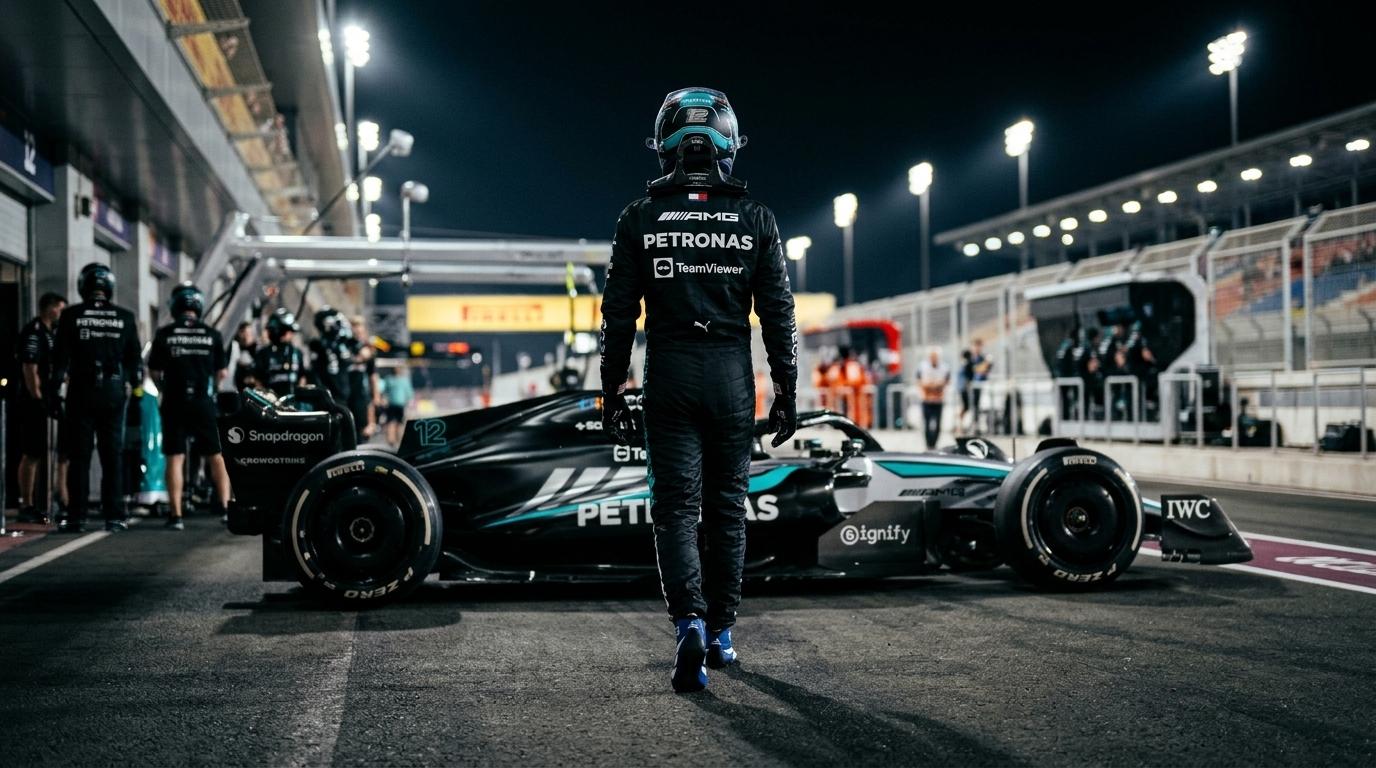
Qatar GP Preview: Antonelli Tipped for Milestone Tenth Win
Rumores15 de nov. de 20263 MIN
F1 Rumor Mill: Aston Martin's 2027 Shift and Ferrari's Recruitment
Últimas3 de ago. de 20262 MIN
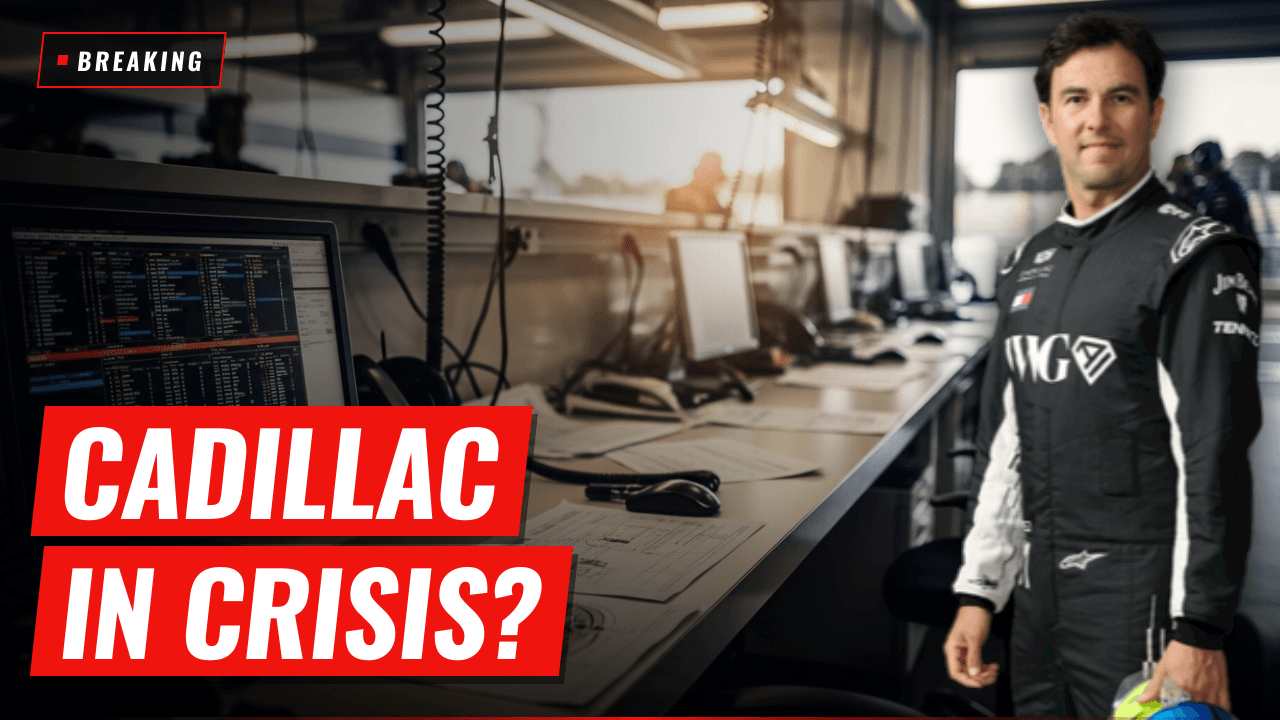
Cadillac Issues Ultimatum: UK Staff Must Relocate or Face Redundancy
Últimas4 de jul. de 20262 MIN
Ferrari Confirms Lewis Hamilton Contract Extension Through 2027
Notícias30 de jun. de 20263 MIN
FIA Confirms Major Technical Rule Changes for 2027 and 2028
Últimas27 de jun. de 20263 MIN
Red Bull Chief Engineer Paul Monaghan Set to Join Cadillac
Comentários
- Nenhum comentário ainda. Seja o primeiro.