Understanding F1 Brake Bias: The Driver's Critical Setup Tool.
25 nov 2026 · 4 min leestijd · Door F1 Predictions
Artikel
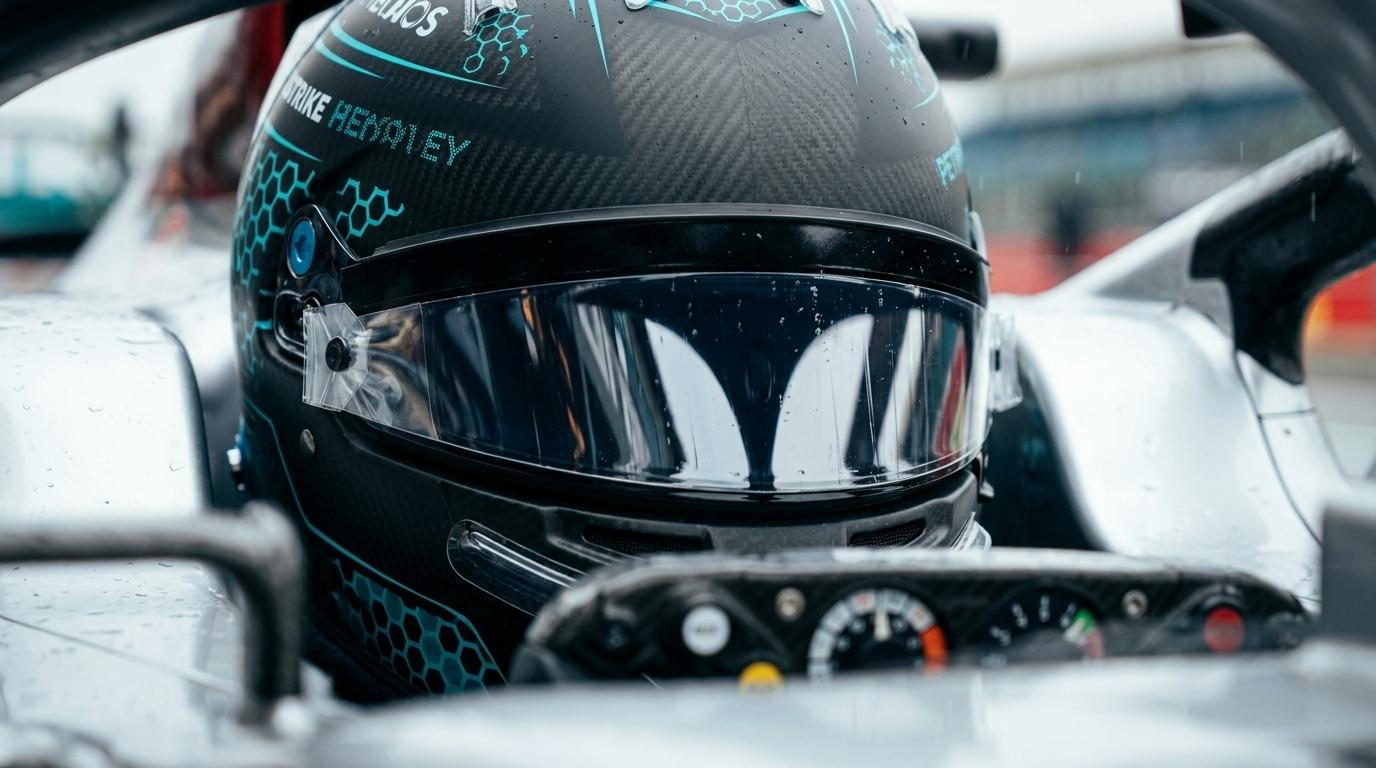
When watching an onboard camera during a Formula 1 race, you will often see a driver flicking small rotary dials with their thumbs while barrelling down a straightaway at over 300 km/h. They are not talking to the pit wall or adjusting the radio. In most cases, they are altering one of the most critical dynamic setup variables on the car: brake bias.
Understanding this single adjustment unlocks a deeper appreciation of the subtle chess match happening between drivers into every braking zone.
What Is Brake Bias?
Brake bias—often called brake balance—is the percentage distribution of total stopping force between the front and rear axles of a Formula 1 car.
Unlike a standard road car, which automatically manages braking forces through computerised anti-lock braking systems (ABS), Formula 1 forbids ABS entirely. Drivers must modulate pedal pressure manually. Because weight transfers dramatically as a car slows down, the stopping power cannot simply be split 50/50.
Instead, drivers and engineers set a baseline ratio that directs more force to the front wheels—typically around 54% to 58% to the front and 42% to 46% to the rear—and fine-tune that balance continuously throughout a Grand Prix.
Why It Matters
Formula 1 cars can decelerate from 320 km/h down to under 100 km/h in less than two seconds, subjecting drivers to forces exceeding 5G. During this violent braking phase, physical forces push the car’s weight onto the front tyres, compressing the front suspension and significantly unweighting the rear end.
If the brake distribution does not match the corner type, circuit grip, or car balance, two costly problems occur:
- Too much front bias: The front tyres bear too much of the braking workload and stop rotating while the car is still travelling forward. This is known as a "front lock-up." The skidding tyre burns a flat patch into the rubber—called a flat spot—causing violent steering vibrations, ruinous tyre wear, and understeer that pushes the car wide of the corner apex.
- Too much rear bias: Because the rear axle is lightly loaded under heavy deceleration, an excess of rear brake pressure causes the rear wheels to lock or step out. This leads to immediate rear instability, snapping the car into a spin before the driver can even begin turning the steering wheel.
A perfectly tuned brake balance provides maximum stopping power while keeping the car stable, allowing drivers to execute bold overtakes and protect their tyres over long race distances.
How Brake Bias Works in Practice
Drivers do not choose one brake bias setting at the start of a race and leave it alone. They modify it multiple times during a single lap using controls on the steering wheel:
- Corner-by-corner adjustments: In heavy, straight-line braking zones (such as Turn 1 at Monza), a driver shifts the bias forward for maximum straight-line stability and stopping force. Conversely, for tight, downhill, or off-camber hairpins where they must turn while trailing off the brakes, they shift the bias slightly rearward to help the car pivot into the corner without locking the inside front wheel.
- Brake-by-wire integration: Modern F1 cars utilise an electronic brake-by-wire system for the rear axle. When the driver presses the pedal, the rear braking effort is split between traditional hydraulic brake discs and the hybrid system’s motor-generator unit (MGU-K), which harvests electrical energy under deceleration. The electronic system seamlessly blends mechanical friction and electrical harvesting to keep the stopping feel predictable.
- Managing changing fuel and tyre grip: Over a race stint, an F1 car loses roughly 100 kilograms of fuel weight, fundamentally changing its centre of gravity. At the same time, tyres wear down at different rates. If the front tyres begin degrading faster than the rears, a driver will shift the brake bias backward to take stress off the front axle and prolong tyre life.
A Current-Season Example: Antonelli’s Precision Under Pressure
The value of dynamic brake management has been unmistakably demonstrated throughout the 2026 season, particularly in the title charge of Andrea Kimi Antonelli at Mercedes.
Sitting atop the Drivers' Championship with nine victories, Antonelli has earned praise across the paddock for cockpit composure that defies his rookie status. With 2026 regulations featuring heightened electrical regeneration, balancing mechanical stopping power against heavy energy recovery at the rear axle has placed immense demands on driver pedal feel and brake-migration settings.
In tight battles against established champions like Max Verstappen and his own teammate George Russell, onboard telemetry consistently shows Antonelli making micro-adjustments to his brake balance switch on almost every straight. By shifting bias slightly rearward to rotate through medium-speed chicanes and clicking it forward before high-speed stops, he has largely eliminated the tyre lock-ups that plague many of his peers.
That precision has allowed Mercedes to stretch stint lengths without suffering performance drop-offs, giving them complete strategic control on race days.
Braking in Formula 1 is never just about stomping on the pedal—it is a continuous calibration executed in fractions of a second. To explore how machine balance, circuit characteristics, and strategic execution shape upcoming Grand Prix weekends, check out our latest race predictions.
Lezer
Je volgende zet
Gerelateerd
Preview25 nov 20264 MIN
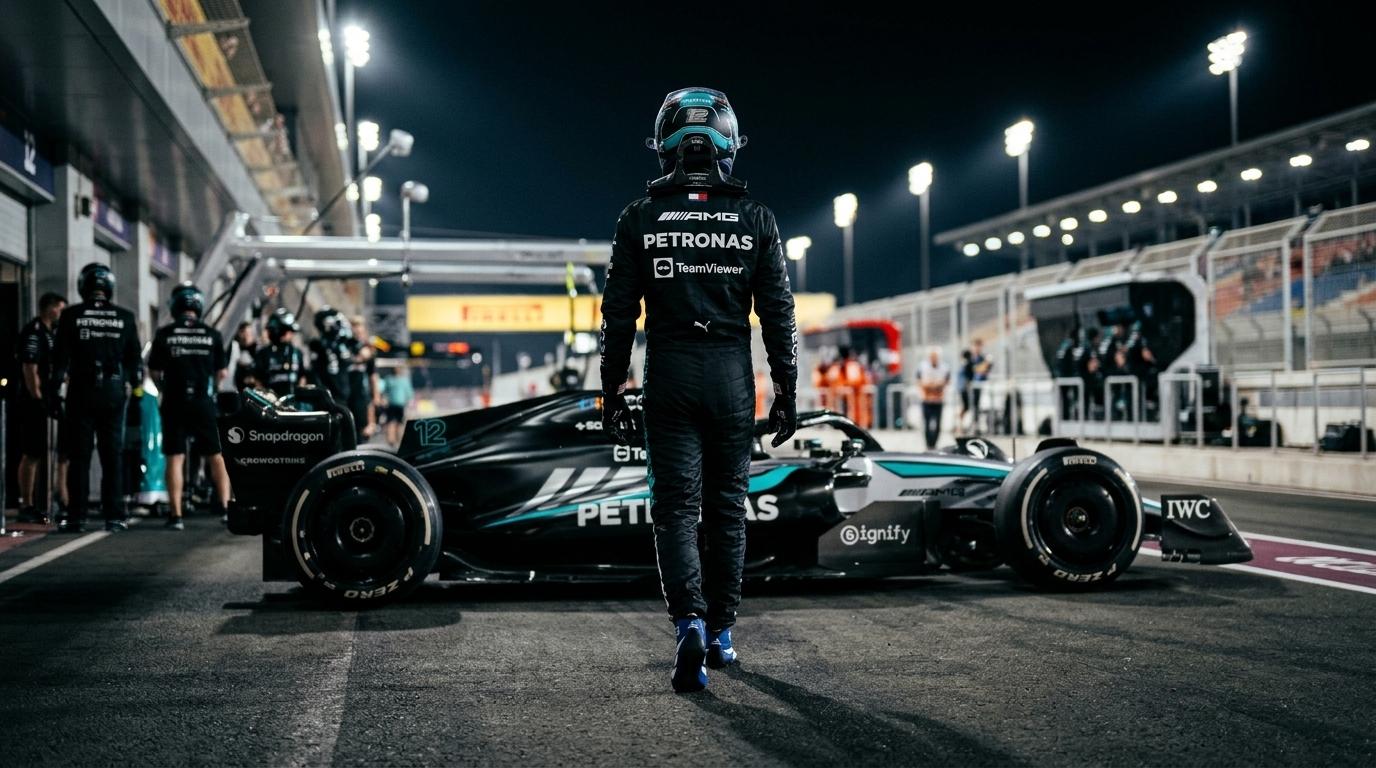
Qatar GP Preview: Antonelli Tipped for Milestone Tenth Win
Nieuws7 nov 20263 MIN
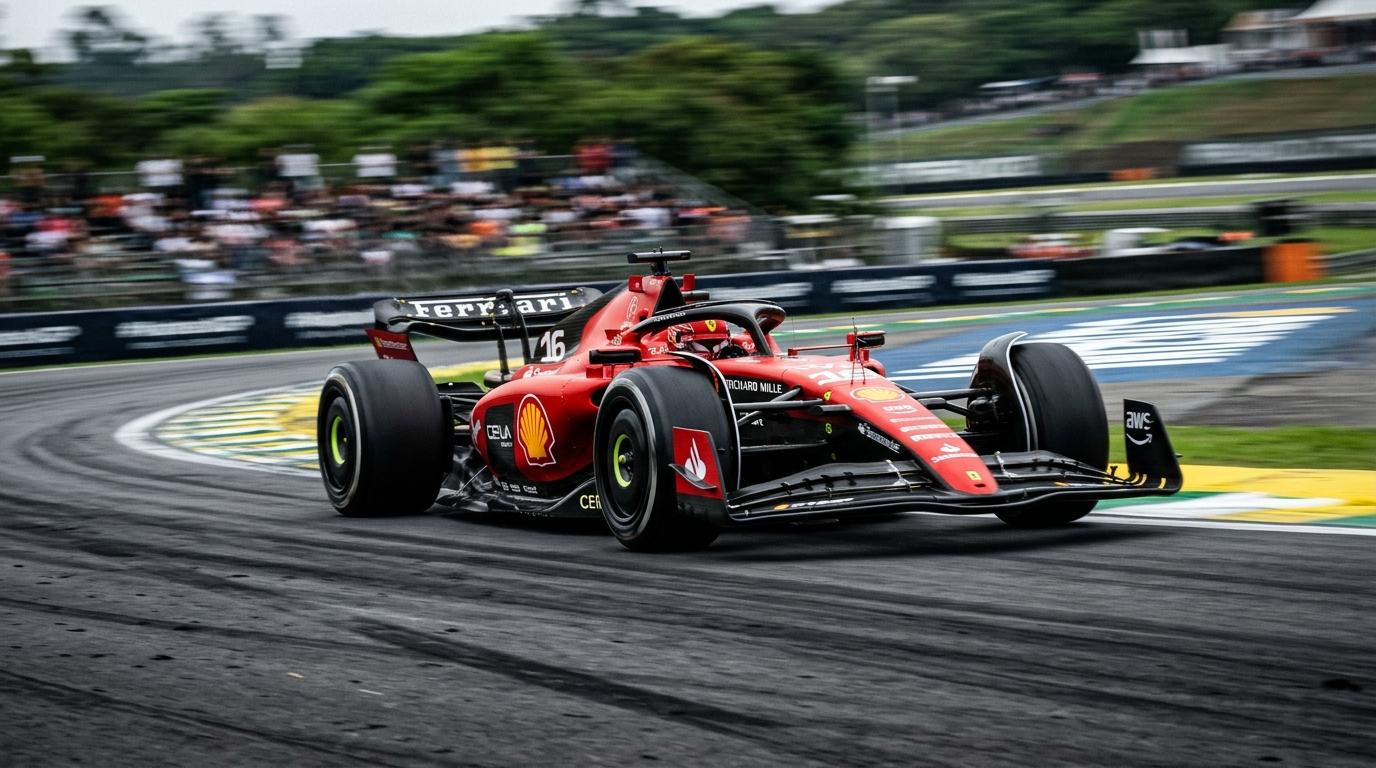
FIA Confirms Major Interlagos Track Modifications for 2026 GP
Breaking21 okt 20263 MIN
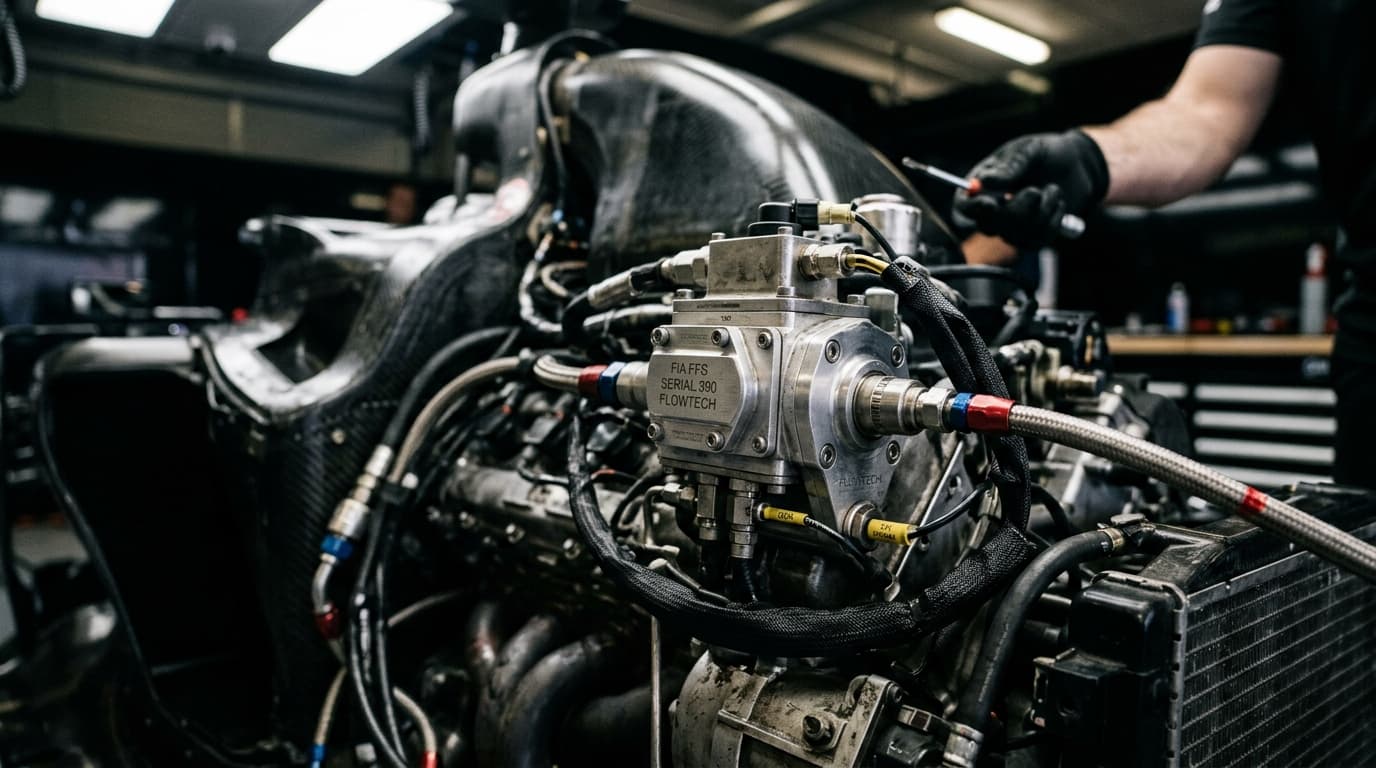
FIA Fuel Sensor Supplier Sued for Patent Infringement Before US GP
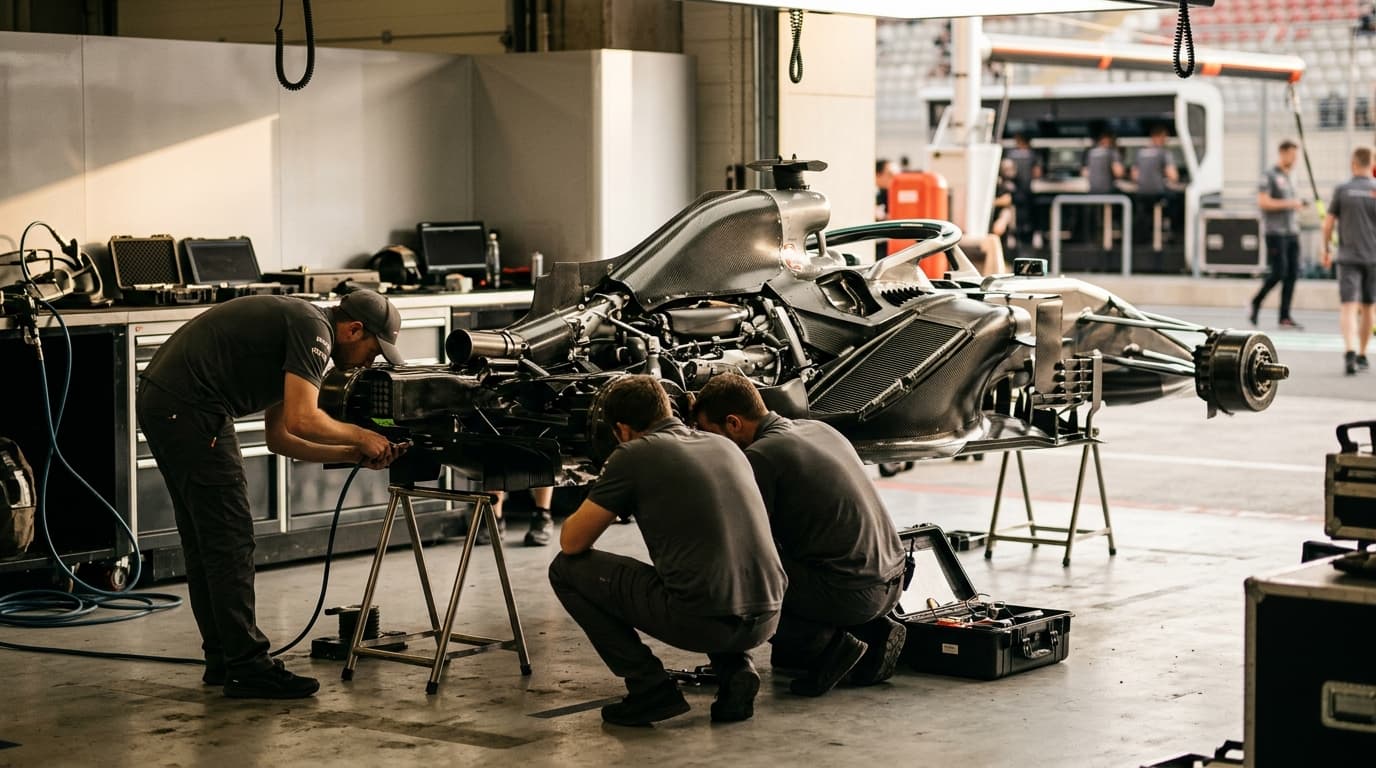
Nieuws25 sep 20263 MIN
Red Bull Debuts Final 2026 Upgrade in Baku, Shifts Focus to 2027
Breaking17 aug 20262 MIN
Red Bull Tables Massive Five-Year Contract Extension to Max Verstappen
Breaking17 aug 20262 MIN
McLaren Confirms Irreparable 2026 Design Flaw: Title Hopes Dealt Blow
Reacties
- Nog geen reacties. Wees de eerste.