Formula 1 Returns to V8 Engines in Landmark 2030 Technical Shift.
25 nov 2026 · 3 min leestijd · Door F1 Predictions
The FIA has confirmed a unanimous agreement to move to 2.1-litre turbocharged V8 engines for the 2030 season, signaling a major shift in technical direction.
Artikel
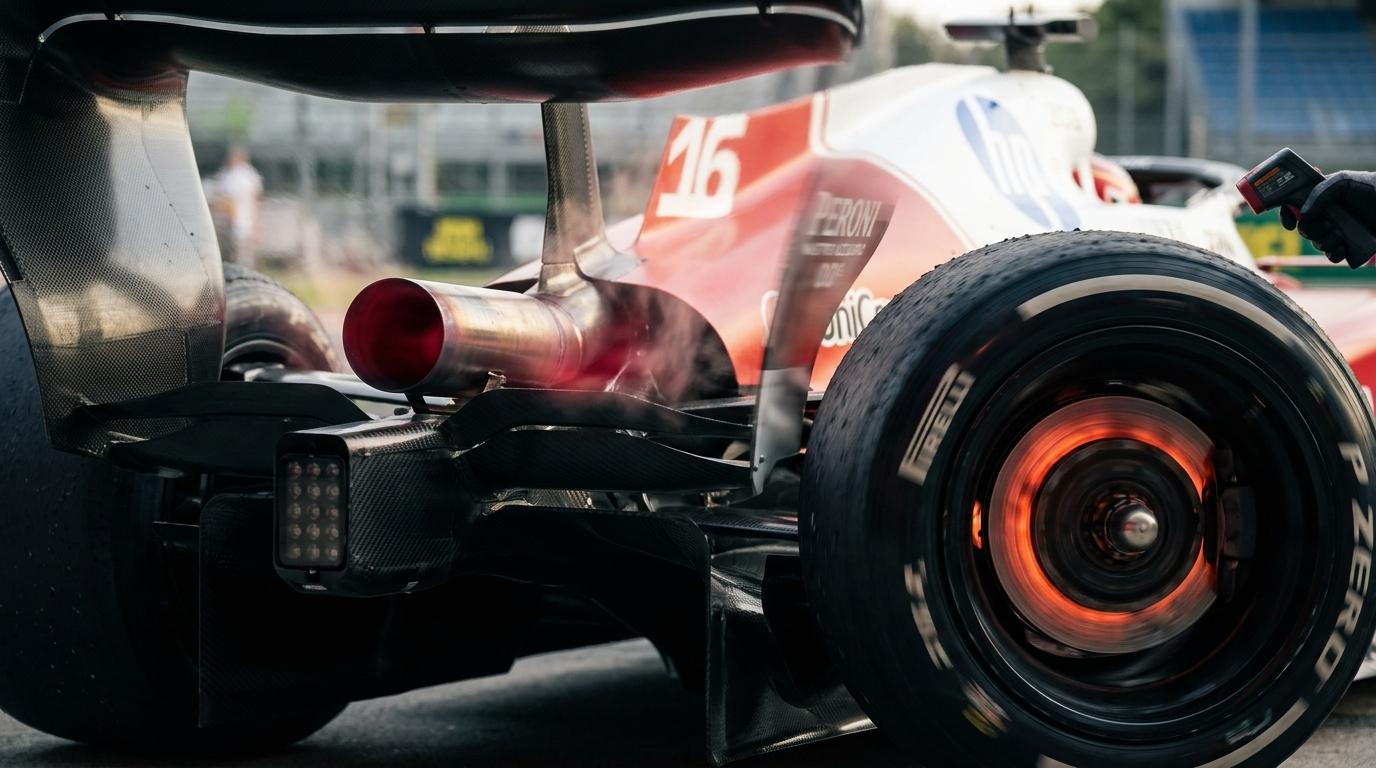
Formula 1 is set to bring back V8 engines. In a landmark announcement released on Friday, November 20, 2026, the FIA confirmed that a unanimous agreement has been reached between the governing body, Formula One Management (FOM), the teams, and all registered power unit manufacturers on the technical framework for the 2030 season.
The historic consensus will see the sport transition away from the current V6 turbo-hybrid architecture to a 2.1-litre turbocharged V8 configuration running on 100% advanced sustainable fuels. This marks the first scheduled appearance of V8 power units in Formula 1 since the end of the 2013 season.
Technical Framework: 2.1-Litre Turbocharged V8s
The governing body confirmed that the 2030 regulations will center on a 2.1-litre turbocharged V8 engine paired with a scaled-back hybrid component. Rather than designing entirely blank-sheet architectures, the 2.1-litre capacity is derived directly from the current 1.6-litre V6 formula by adding two cylinders, allowing manufacturers to retain key geometrical specifics and significantly limit research and development expenses.
The primary objectives outlined in the FIA statement include:
- Reduced complexity and cost: Lowering manufacturing and operating budgets across all engine suppliers.
- Limited hybridization: Scaling back the heavy electrical reliance of the 2026 power units to eliminate complex energy management headaches.
- Enhanced spectacle and sound: Reviving the distinctive, high-revving exhaust acoustic that fans and promoters have petitioned for since the introduction of hybrid power in 2014.
- Chassis integration: Marrying the lighter internal combustion engine to a more compact, agile chassis to promote close, attack-oriented racing.
The agreement brings forward the sport's next generation of power unit rules by a full season, effectively curtailing the current engine cycle at the end of 2029.
Ben Sulayem: "Reconnecting With the DNA"
The technical pivot follows widespread paddock debate throughout 2026 concerning the 50/50 combustion-to-electric power balance introduced this season, which drew criticism from several drivers—including Max Verstappen and Fernando Alonso—for excessive weight and complex energy harvesting constraints.
FIA President Mohammed Ben Sulayem underscored the unanimous backing behind the decision.
"This agreement marks a significant milestone in shaping the future of Formula 1," Ben Sulayem said in an official statement. "From the outset I have been clear in my ambition to deliver a sport that is more competitive and more exciting for our fans, while remaining at the forefront of innovation and sustainability. The return of V8 engines represents an opportunity to reconnect with the DNA of this Championship, bringing back the sound, emotion and pure racing that is loved worldwide. Our vision is clear: lighter, simpler and more affordable cars that put driver skill at the heart of the competition."
The unanimous sign-off incorporates all existing and committed power unit suppliers, including Ferrari, Mercedes, Red Bull Powertrains-Ford, Honda, Audi, and General Motors.
What Happens Next
With the framework now formally agreed in principle by all key stakeholders, the definitive 2030 Technical Regulations will be drafted for final ratification.
The FIA confirmed that the finalized 2030 Regulatory Framework will be formally presented to the FIA World Motor Sport Council (WMSC) for official approval during its meeting in Shanghai next month. Once rubber-stamped, engine builders will begin formal design work within the cost cap limitations set for the 2030 cycle.
While the long-term roadmap is now locked in, the immediate focus remains on the dramatic closing rounds of the 2026 world championship. You can track all the on-track probabilities, simulation models, and weekend projections with our latest race predictions.
Lezer
Je volgende zet
Bronnen
Gerelateerd
Preview25 nov 20264 MIN
Qatar GP Preview: Antonelli Tipped for Milestone Tenth Win
Breaking13 jul 20262 MIN
FIA Probes Mercedes Qualifying Innovation Amid Rival Protests
Breaking13 jul 20263 MIN
FIA Launches Technical Inquiry into Red Bull Rear Wing Assembly
Breaking4 jul 20262 MIN
Red Bull Technical Chief Paul Monaghan to Lead Cadillac F1 Project
Breaking26 jun 20263 MIN
FIA Mandates Immediate Diffuser Redesigns for Mercedes, Haas, and Racing Bulls
Breaking24 jun 20263 MIN
FIA Announces Mid-Season 2026 Rule Changes and 2028 Engine Shift
Reacties
- Nog geen reacties. Wees de eerste.