FIA Mandates Universal Pit Equipment Standards for 2027 Season
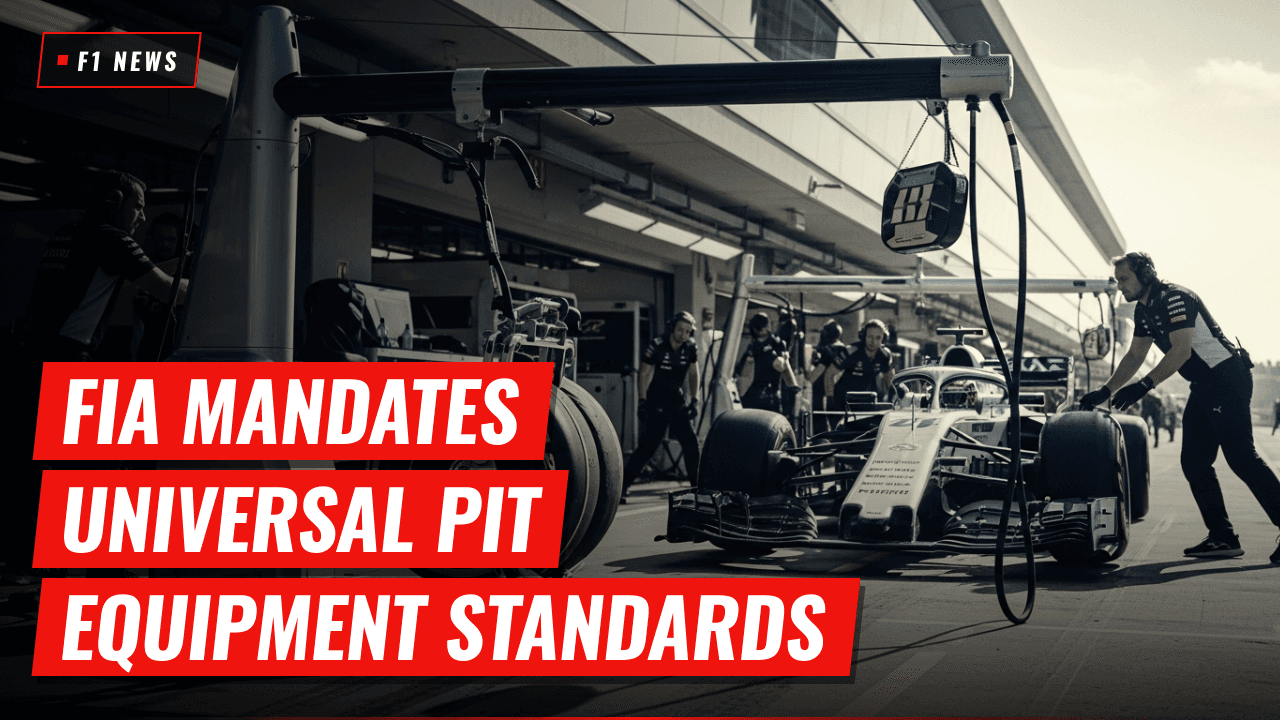
In a significant move aimed at further stabilizing the operational landscape of the sport, the FIA has officially confirmed that all Formula 1 teams will be required to utilize standardized pit equipment beginning with the 2027 season. This development, ratified earlier this week, marks a strategic shift away from the current bespoke, team-developed hardware that has defined the "pit stop arms race" of the last decade.
The New Regulations
The confirmed technical directive mandates that critical pit stop components—specifically wheel guns, torque-monitoring sensors, and gantry-integrated signaling systems—will move to a "spec-part" model. While teams will still retain their own pit crews, the physical tools they use to service the cars will be supplied by a single, FIA-appointed manufacturer.
Key aspects of the mandate include:
- Standardized Torque Control: All wheel guns must utilize a unified torque-limiter system to ensure consistency and eliminate the need for teams to develop proprietary speed-optimization algorithms.
- Universal Signal Interface: The "lollipop" or light-gantry systems will be fully integrated with the car’s ECU, ensuring that the green-light signal can only be triggered when sensors on all four wheel-hubs confirm positive engagement.
- Logistical Uniformity: The move aligns with the sport’s broader 2030 sustainability goals, reducing the volume of freight that teams must transport across the global calendar by standardizing essential garage equipment.
Why It Matters
For years, Formula 1 has seen teams pour millions into research and development to shave milliseconds off their pit stop times. By standardizing the equipment, the FIA is effectively "capping" the pit stop performance ceiling.
This change serves two primary purposes. First, it enhances safety. By removing the ability for teams to experiment with high-risk, ultra-fast electronic triggers, the FIA reduces the probability of human error or mechanical failure during a stop—incidents that have, in the past, resulted in unsafe releases. Second, it serves as a cost-containment measure. With the 2026 regulations already forcing teams to adapt to new power unit and aerodynamic requirements, this mandate alleviates the financial burden of developing high-tech, proprietary pit hardware.
Broader Context
This announcement follows a mid-season period defined by intense competition and technical convergence. With the 2026 season past its halfway point, the grid has begun to settle into a competitive order, with the constructor standings showing a clear divergence in performance among the top teams. The championship fight remains tight, and the introduction of a level playing field in the pits will ensure that race results continue to be decided by track performance rather than technological advantages in the service box.
As teams prepare for the remainder of the 2026 calendar, focus will inevitably shift toward managing the transition to these standardized tools. For those currently trailing in the constructor standings, this could provide a window of opportunity to close the gap if their rivals were previously relying on superior, custom-built pit technology.
Stay ahead of the competition with our data-driven insights. For detailed projections on how these technical shifts might impact team performance in the final half of the season, head over to our predictions page.