Breaking: FIA Under Pressure as Rivals Challenge Mercedes Qualifying "Trick"
LONDON — The 2026 Formula 1 season has been thrown into immediate controversy following reports of a technical investigation into a proprietary innovation on the Mercedes W17. Rival teams have formally requested that the FIA scrutinize a mechanism identified in the car's qualifying setup, which insiders suggest is delivering a performance advantage of approximately 0.05 seconds per lap.
The scrutiny comes at a critical juncture in the championship, with the field separated by razor-thin margins in the mid-season battle. While Mercedes has categorically denied any wrongdoing, the growing pressure from the paddock has forced the FIA to evaluate whether the innovation complies with the current technical directives or constitutes an infringement of the 2026 regulatory framework.
The Innovation Under the Microscope
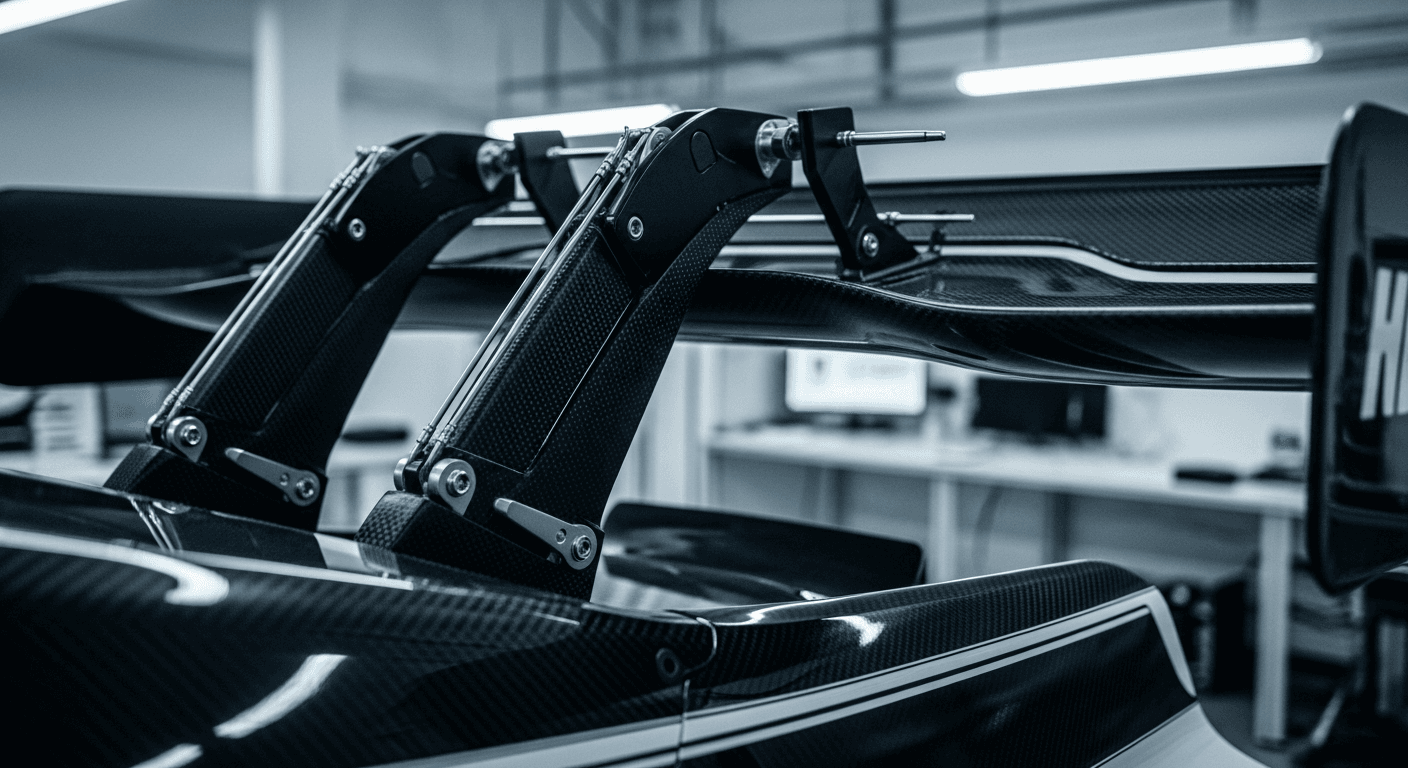
At the heart of the dispute is a device that appears to optimize aerodynamic flow or load distribution specifically during the high-stress, low-fuel qualifying trim. While details of the mechanism remain guarded, technical sources suggest the "trick" is designed to allow the car to operate in a specific window of efficiency that other teams have not yet unlocked.
Mercedes representatives have maintained that their development is fully compliant with the existing technical regulations. They argue that the solution is a result of advanced simulation and creative engineering within the established rules, not a circumvention of them.
Rival Teams Demand Clarity
The challenge to Mercedes’ design has been led by key competitors, who have reportedly voiced concerns that the mechanism operates in a "grey area" of the rulebook. In Formula 1, such challenges are often a precursor to a Technical Directive (TD), a mechanism used by the FIA to clarify ambiguities in the regulations or to force teams to modify designs that, while perhaps not explicitly illegal, contradict the spirit of the current rules.
The FIA’s intervention is expected to be swift. Given the tight nature of the 2026 standings—where every fraction of a second in qualifying can dictate track position for the entire race—a ruling against Mercedes could have massive implications for the remainder of the season.
What Happens Next
The FIA is currently conducting a thorough analysis of the telemetry and design data provided by Mercedes. Technical delegates are expected to issue a clarification before the upcoming race weekend, potentially forcing Mercedes to either retain the design under new, stricter monitoring or to immediately revert to a previous specification.
For now, the paddock remains in a state of high tension. If the FIA determines that the innovation requires regulatory intervention, we could see a major shift in the qualifying pecking order, potentially altering the momentum in the Constructors' Championship.
Stay ahead of the grid. As this story develops, we are tracking how this technical scrutiny will impact the upcoming race weekends. For our latest data-driven analysis and expert projections on the qualifying order, check out our latest F1 Race Predictions today.