Ferrari Triumphs at Silverstone: A Tactical Masterclass
The 2026 British Grand Prix delivered an unforgettable spectacle of high-speed racing and strategic maneuvering, culminating in a dominant performance by Charles Leclerc. Under the watchful eyes of a capacity crowd, the Ferrari driver navigated the challenging circuit with precision, securing victory in a race where tyre management proved to be the ultimate differentiator. While the weekend began with Kimi Antonelli showing blistering one-lap pace, Sunday belonged to the Maranello squad, who executed a flawless race to put both Leclerc and Lewis Hamilton on the podium.
The Race Unfolded: A Strategic Chess Match
The race start was marked by the anticipation surrounding Mercedes’ pole-sitter, Kimi Antonelli. However, from the opening lap, it was clear that the high-speed demands of the British circuit would favor those who could balance aggression with longevity. As the lights went out, the field bunched together, but it was Leclerc who immediately looked comfortable, settling into a rhythm that would define his afternoon.
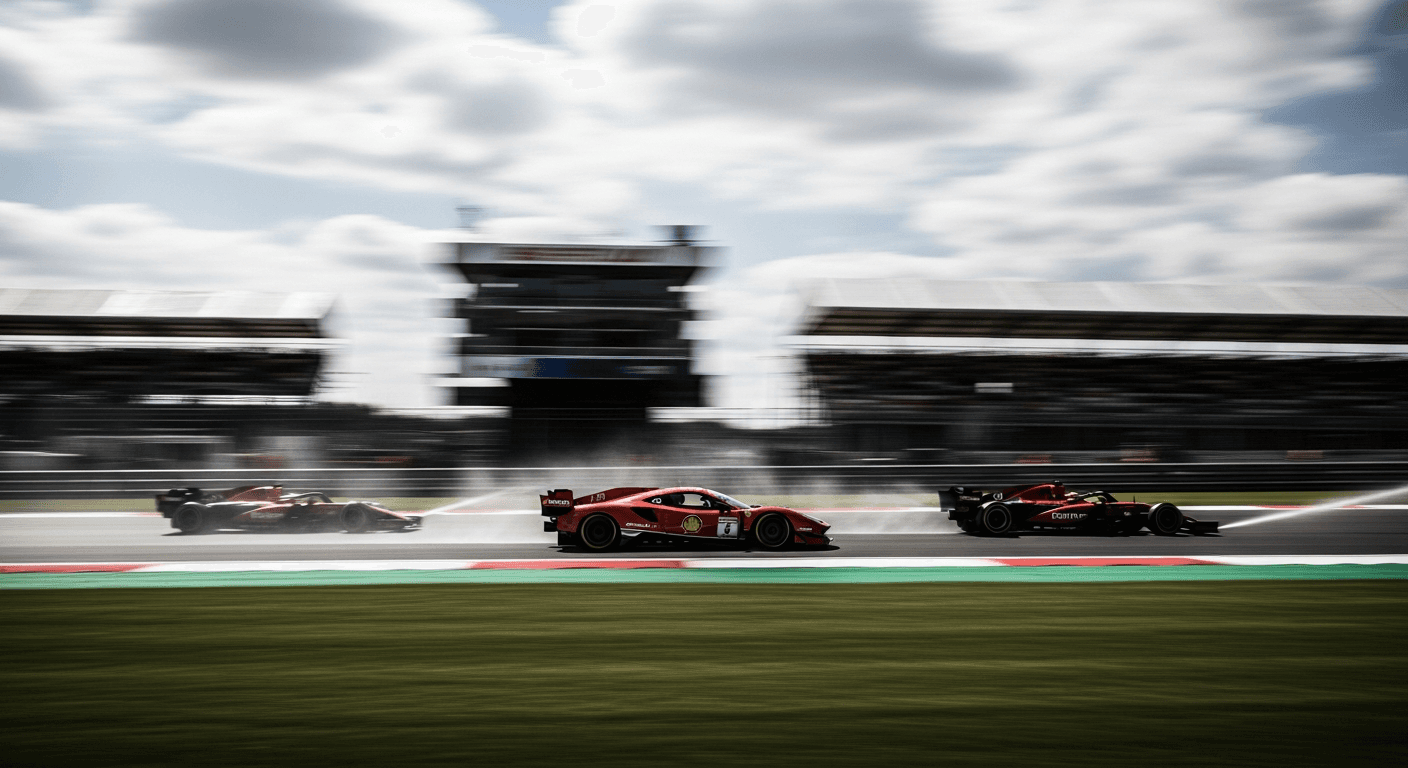
Throughout the race, the gap between the top five remained tantalizingly close. George Russell, showing the consistent form that has defined his season, pushed the Ferrari of Leclerc hard for the duration of the event. Russell’s pursuit kept the grandstands on edge, as the Mercedes driver flirted with the gearbox of the leading Ferrari, yet the Scuderia's pace management—combined with a sharp tactical approach—allowed Leclerc to maintain a critical buffer.
Further back, the race was a story of attrition and recovery. Max Verstappen, usually a fixture at the sharp end of the grid, endured a difficult Sunday, finding himself struggling for pace and ultimately finishing the race in 20th position. This departure from his usual dominance opened the door for the midfield runners to consolidate points, with Isack Hadjar putting in a resilient drive to secure fifth for Red Bull Racing, keeping his team in the mix despite the challenges faced by his teammate.
Winners and Losers
Charles Leclerc is the undisputed winner of the weekend. His victory was not just a display of pure speed but a showcase of composure. By managing his rubber and responding to the strategic threats posed by the chasing pack, he proved that Ferrari has successfully unlocked the race-pace potential of their 2026 challenger. George Russell also deserves immense credit; securing P2 in such a competitive environment reinforces his status as a serious title contender, keeping Mercedes firmly in the hunt.
Conversely, the weekend was a sobering reality check for Kimi Antonelli. After an impressive qualifying performance that saw him start from the front, he faded significantly during the race, crossing the line in 16th. It serves as a stark reminder of the steep learning curve in Formula 1; while his raw speed is undeniable, the ability to maintain that level over a full race distance remains the ultimate test.
The Strategy that Defined the Result
The British Grand Prix was decided in the pit lane as much as it was on the asphalt. The variety in tyre strategies—with teams split between multiple stop configurations—created several distinct windows of opportunity. Ferrari’s decision-making regarding their transition to the hard compound during the mid-race phase allowed Leclerc to extend his stint, preventing him from falling victim to the undercut maneuvers attempted by McLaren and Red Bull Racing.
The field saw a wide divergence in approach. While some drivers opted for aggressive early stops to clear traffic, the podium finishers largely stuck to a measured approach, prioritizing tyre life in the high-speed corners. This discipline was vital; those who pushed too hard in the opening laps found their pace collapsing in the final quarter of the race, highlighting the fine margin between a podium finish and falling into the midfield.
What It Means for the Championship
With the British Grand Prix now in the books, the championship narrative is shifting. Ferrari’s double podium finish—with Leclerc in first and Hamilton in third—is a massive boost for their campaign, signaling that they have the machinery and the operational sharpness to challenge for the title as the season heads into the summer break.
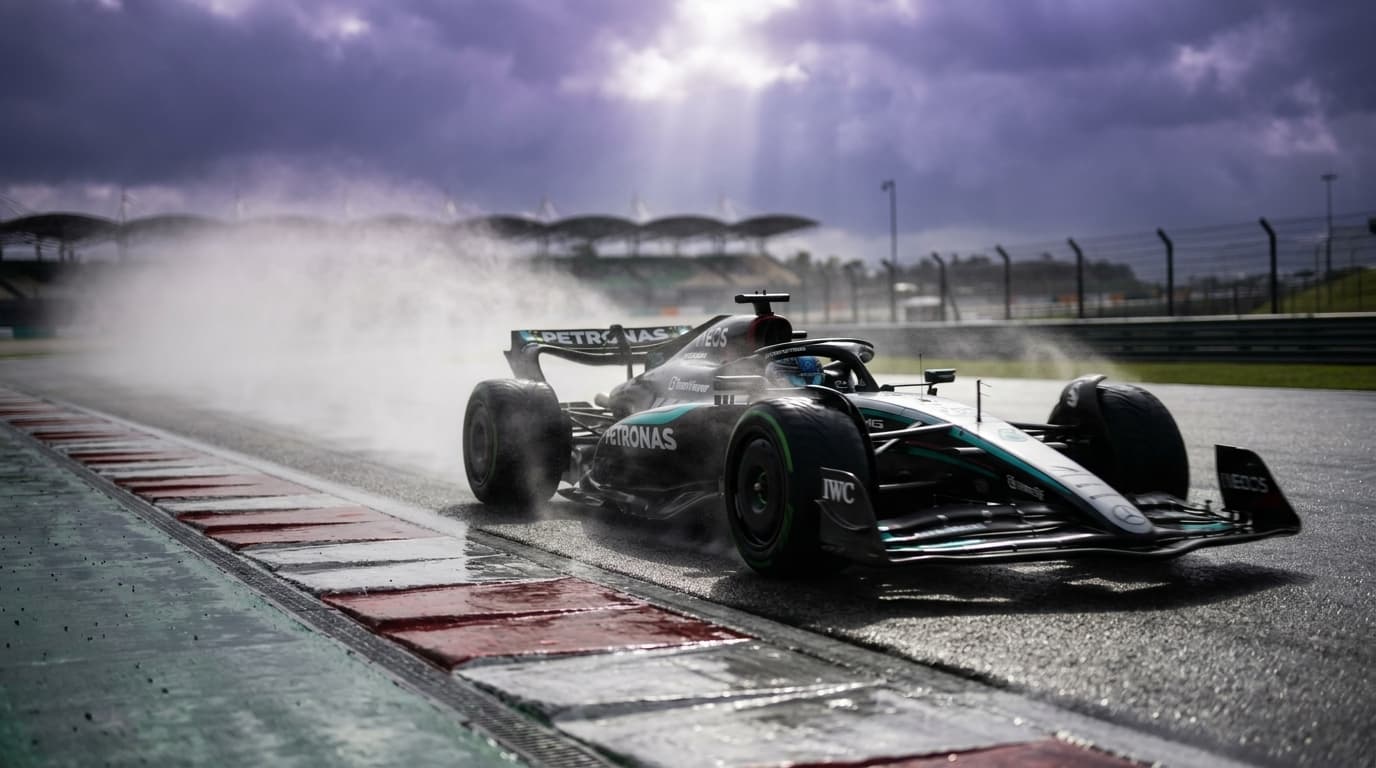
Mercedes continues to be a relentless force, and with Russell maintaining such high consistency, the battle for the top spot in the Constructor Standings is set to intensify. The results at Silverstone have compacted the field, making the upcoming rounds critical for any team hoping to maintain momentum. The championship is not just about the fastest car anymore; it is about who can best navigate the tactical complexities of every weekend.
As the paddock prepares for the next challenge, the data suggests that we are in for a tight fight to the end. The performance gaps are closing, and as we’ve seen this weekend, one miscalculation in strategy or a single lapse in tyre management can change the entire complexion of the standings.
Want to stay ahead of the curve?
As we analyze the trends from Silverstone and look toward the upcoming races, the margins are getting thinner. If you want to see how the data stacks up and explore our latest projections for the next Grand Prix, visit our main predictions dashboard for the full breakdown of every driver and team.